


The Boot Shift No One Announced
The Chelsea boot had a remarkable run. For nearly a decade, its clean profile and pull-on ease made it the default ankle boot for everyone from off-duty stylists to morning commuters. It paired with everything, offended no one, and required almost no thought. That frictionless versatility is exactly what made it so easy to love – and, eventually, so easy to overlook.
Something quieter has been moving in. The pointed-toe kitten heel boot – sleek, slightly retro, with a heel that sits at that precise two-inch height that feels like both restraint and intention – has been appearing with increasing regularity on the kind of women whose wardrobes other women screenshot. It has not arrived with a campaign or a cultural moment. It has simply started showing up, and staying.

What Makes the Silhouette Work Now
The pointed-toe kitten heel boot succeeds for a specific structural reason: it elongates the leg without requiring the commitment of a stiletto. The tapered toe creates a visual line that draws the eye downward and outward, making even cropped trousers and midi skirts read as longer and more considered. The kitten heel keeps that line grounded, adding lift without the fatigue that comes from a full heel. It is, in practical terms, a boot built for people who actually wear their shoes all day.
There is also something happening at the ankle. The Chelsea boot, by design, hits at the ankle bone and stops. Its profile is rounded, utilitarian, democratic. The pointed-toe kitten heel boot does something more deliberate – the toe extends slightly past the foot’s natural edge, and the slim heel pulls the whole silhouette inward. The effect is closer to a sculptural shoe than a functional one, even when the quality of both is identical. It reads as a choice rather than a default.
Styling flexibility has followed. The boot pairs naturally with wide-leg trousers, where the pointed toe peeks out just enough to anchor the volume above it. With a fitted straight-leg jean, it adds a touch of the 1960s without tipping into costume. Worn with a midi dress or a bubble hem skirt, the slim heel provides contrast against fuller fabric in a way that a flat Chelsea boot simply cannot. The kitten heel sits in that narrow category of shoes that work harder than they look like they should.
The Quiet Chelsea Fatigue
The Chelsea boot is not disappearing. What is happening is more subtle: it is losing its position as the automatic answer to the question of what boot to wear. That status requires a shoe to feel current without feeling trendy, and the Chelsea has begun to drift into a third category – familiar. Familiar is different from classic. Classic suggests ongoing relevance; familiar suggests background noise.
Part of the problem is saturation. The Chelsea boot became so widely adopted across price points, from luxury to high street, that its original associations with a certain effortless cool were diluted. When every version of a shoe looks similar, the shoe stops functioning as a signal and starts functioning as a uniform. The pointed-toe kitten heel boot has not reached that point yet, which is a significant part of its current appeal.
The Heel Height That Stopped Being Cautious
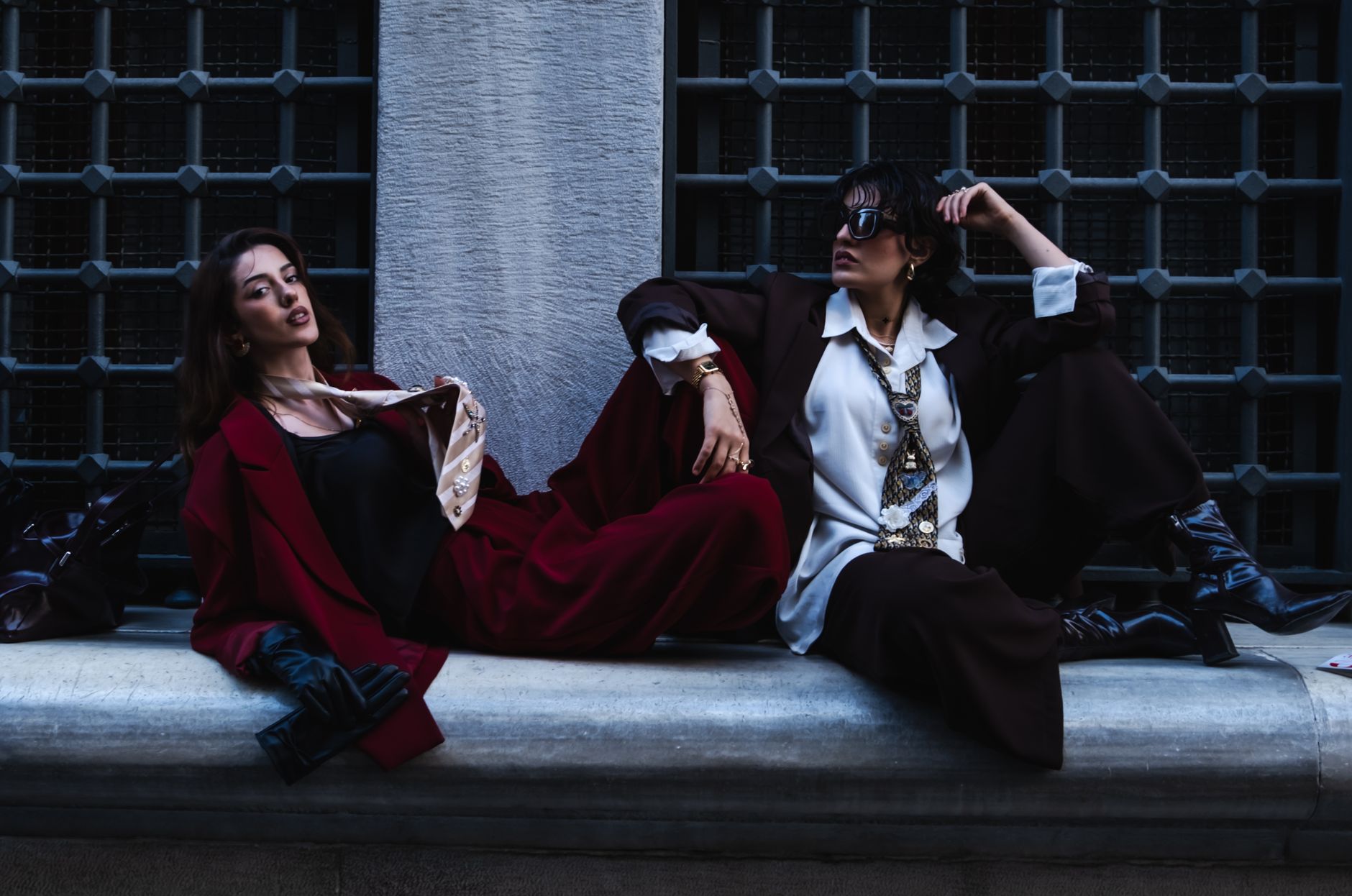
Kitten heels spent a long stretch being considered the safe choice – the heel for women who wanted height without commitment, or for occasions that called for something dressier than a flat but less aggressive than a pump. That association made them feel, for a while, like a compromise. What has shifted is the context in which kitten heels are now appearing. Paired with sharp tailoring or strong knitwear, a kitten heel boot no longer reads as cautious. It reads as controlled.
The boot format matters here specifically. A kitten heel on a pump or a mule carries the softness of its history. A kitten heel on a boot – especially one with a pointed toe and a structured shaft – takes on different weight. The ankle coverage changes the proportions. The pointed toe adds an edge that the shoe’s heel height alone would not provide. Together, the elements create something that feels deliberate in a way that neither part would manage independently.
Color and material choices are pushing the boot further from its cautious origins. While black and chocolate brown remain the dominant options, the silhouette has proven particularly strong in bone, stone, and deep burgundy – shades that are harder to pull off in a rounded Chelsea boot without the look softening into something undefined. The pointed toe gives these quieter colors an anchor. A stone-colored kitten heel boot in suede is a very specific aesthetic statement. A stone-colored Chelsea in the same material can disappear into a neutral outfit entirely.
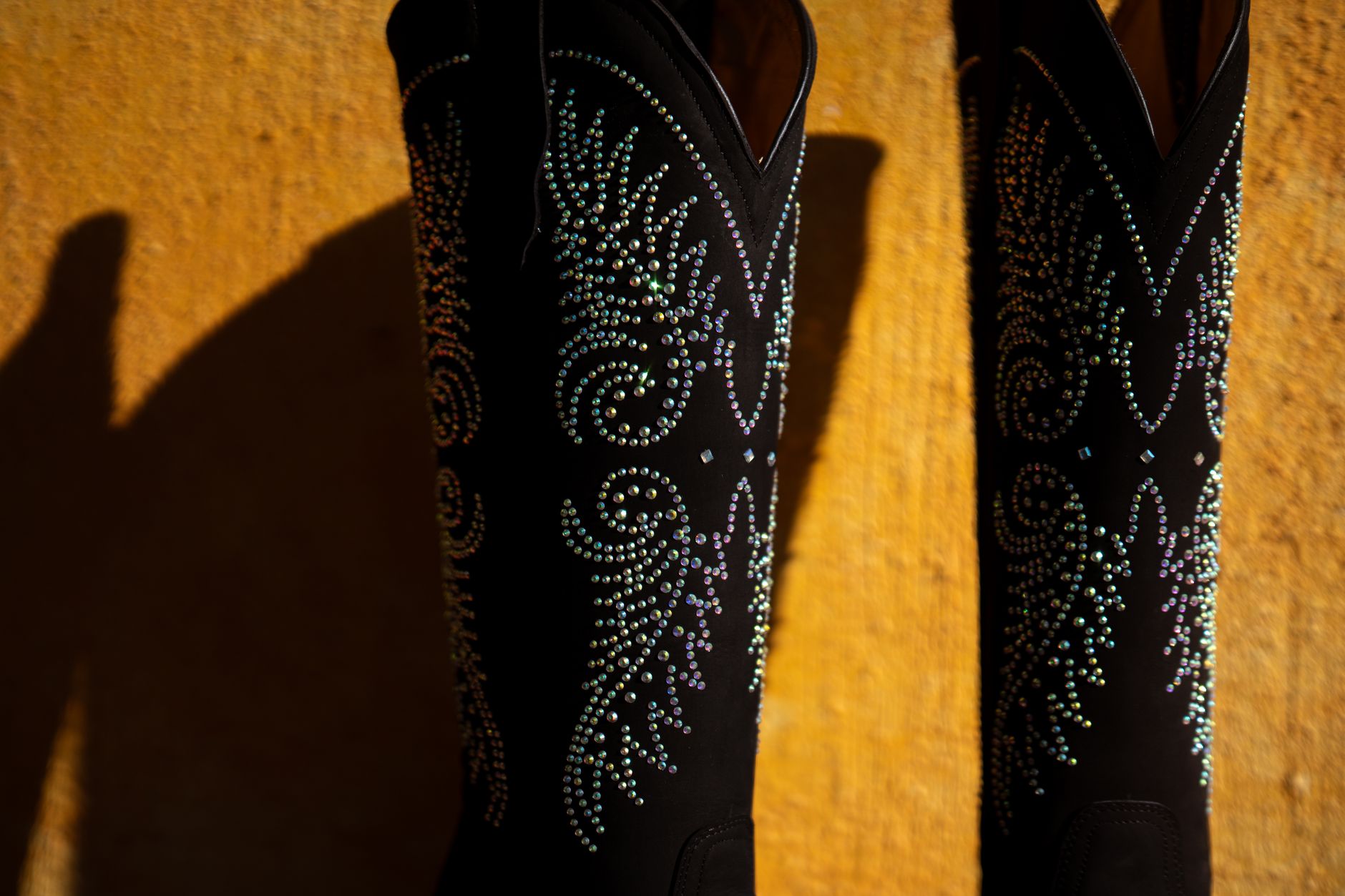
The category of shoes that the pointed-toe kitten heel boot is competing with extends beyond the Chelsea. It is also eating into the space occupied by low block-heel boots and simple ankle boots with squared-off toes, both of which peaked as reactions to the stiletto era and are now, for similar reasons, starting to feel like they belong to a specific moment rather than a continuing one. The pointed toe, which once felt like a dated holdover from early-2000s fashion, has cycled back into legibility – and this time it arrived attached to a heel height that makes it wearable on Tuesday morning, not just Saturday night. That combination is hard to argue with.