

The trench coat has held its place as the default outerwear choice for decades – utilitarian, polished, endlessly versatile. But something is shifting on the rails of boutiques and the feeds of fashion-forward dressers: the broderie anglaise coat is moving in, and it is doing so without making a single apology for being decorative.
Broderie anglaise – that centuries-old embroidery technique defined by its punched-hole patterns and delicate thread edging – has long been associated with summer blouses, children’s dresses, and cottagecore aesthetics. Translating it into a full coat silhouette feels counterintuitive, almost provocative. That is precisely why it is working.
Why the Trench Is Losing Ground
The trench coat’s authority was built on neutrality. It goes with everything because it asserts nothing. For a certain kind of dressing – the kind built around discipline, commuting, and the idea that outerwear should not distract – that neutrality was its greatest strength. But fashion cycles through restraint quickly, and the appetite for a coat that actually says something has been building for several seasons now.
Statement outerwear has been growing in visibility, driven by the logic that when a coat is the first and last thing people see, it should carry the full weight of an outfit’s intention. Heavy embellishment, bold color, unexpected texture – each has had its moment. Broderie anglaise works differently. Its decorative quality comes not from adding material but from removing it: those cut-out eyelets and scalloped edges create a coat that is ornate and airy at the same time, a contradiction that gives the garment genuine visual tension.
There is also a practical argument. The broderie anglaise coat does not require a carefully edited outfit underneath to look right. Where a trench in camel or khaki can make a simple outfit look pulled together, it also flattens stronger ones. Broderie anglaise has a forgiving quality – it lifts a plain midi dress and adds friction to an otherwise straightforward denim look without overpowering either.
The Texture Economy
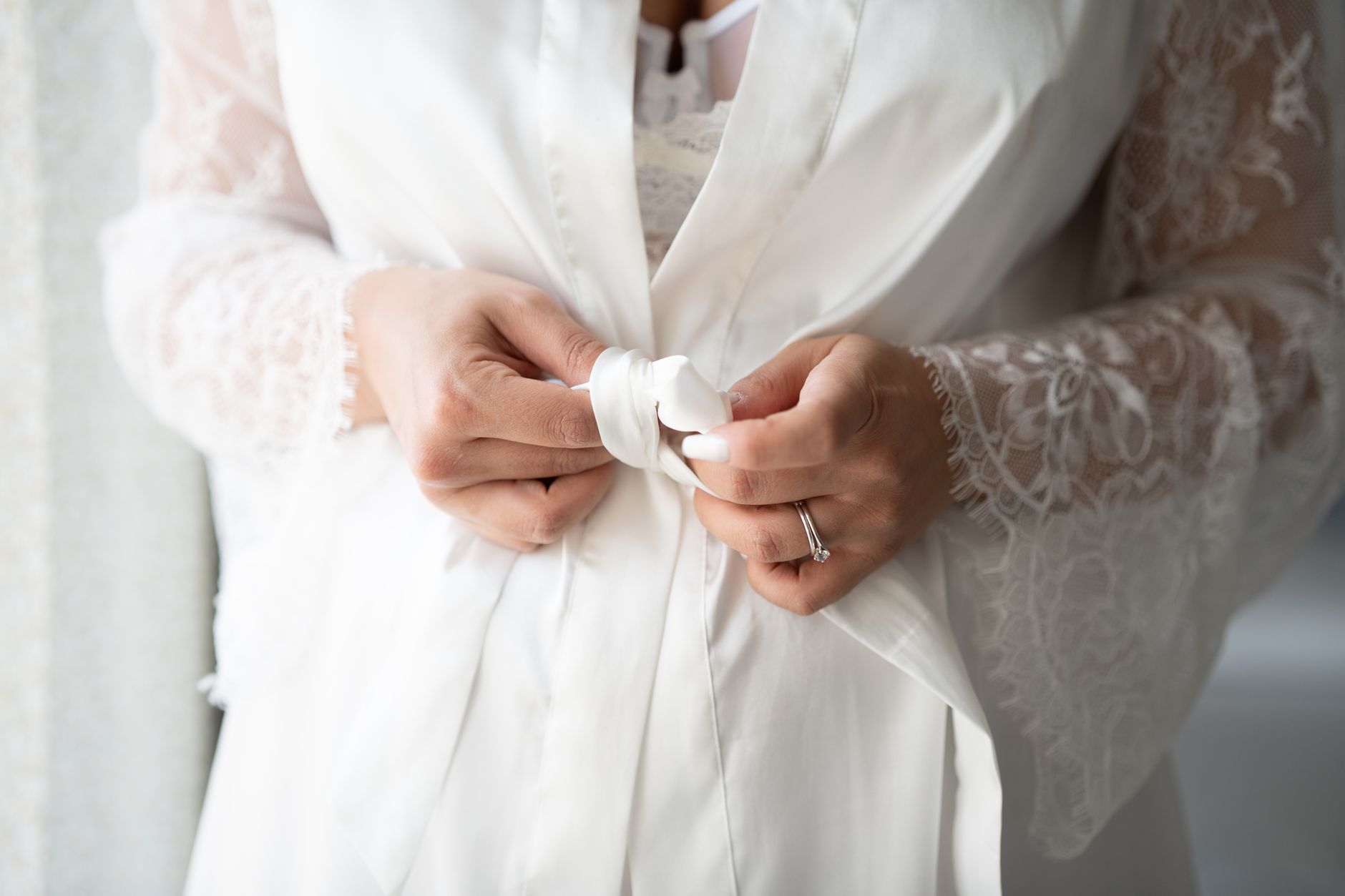
Fashion’s current obsession with surface texture has created the conditions for this coat to land well. Bouclé, mohair, lace, crochet – the tactile quality of a garment is no longer an afterthought but a primary design consideration. Broderie anglaise fits directly into this framework. The interplay of solid white or cream fabric against the negative space of the eyelets creates a depth that most traditional coat fabrics simply cannot achieve without appearing heavy or overdone.
The white and off-white colorway that dominates the broderie anglaise coat trend is also doing specific work. White outerwear has historically been considered impractical – a choice made for runway impact rather than street reality. Wearing it anyway, as a coat no less, registers as confidence rather than carelessness. That reading matters in a fashion moment where effort and intentionality are being worn visibly.
How Stylists Are Actually Wearing It
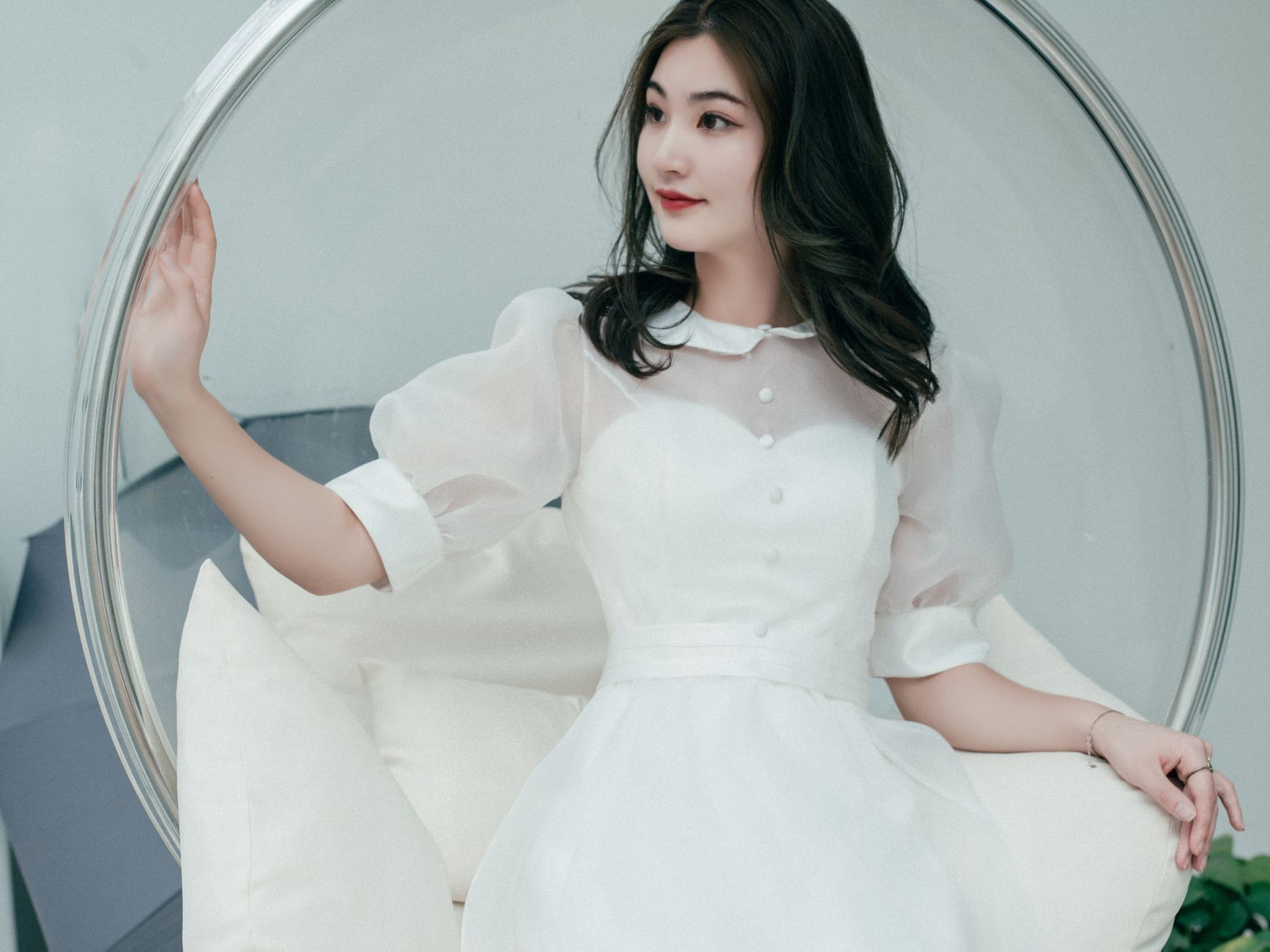
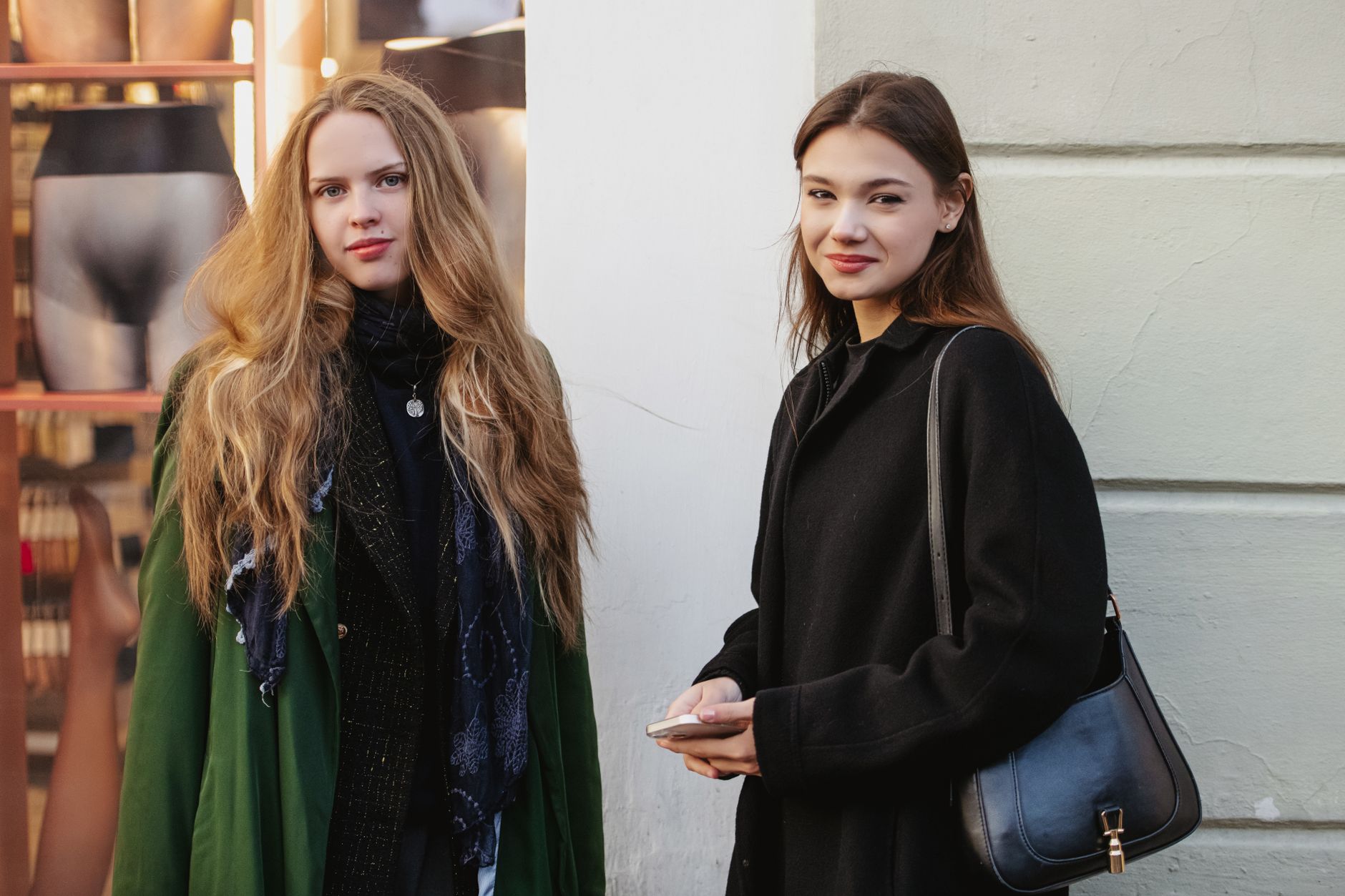
The most convincing argument for the broderie anglaise coat is how naturally it layers. Over a simple white slip dress, it creates a tonal, almost bridal register that stops short of costume because the texture keeps it grounded. Over wide-leg trousers and a fitted knit, it introduces a femininity that feels chosen rather than default – the structured silhouette of the coat keeping any softness from reading as casual.
Footwear is where the look tends to land or fall apart. Heavy boots underneath pull the outfit toward something more editorial and intentional; ballet flats or kitten heels keep it closer to its romantic starting point. The mesh kitten heel, with its own built-in textural interest, pairs particularly well – two pieces with open-work construction create a quiet visual coherence without looking like they were deliberately matched.
Bags are being kept deliberately simple. A structured leather tote or a small boxy shoulder bag in a neutral tone gives the coat room to operate without competition. Anything overly embellished alongside broderie anglaise risks tipping into a sweetness that mutes the coat’s more interesting quality: the fact that it looks slightly wrong for outerwear, and is confident about it.
Length is doing a lot of the narrative work here. The midi-length broderie anglaise coat – falling below the knee but above the ankle – sits in a proportional zone that feels neither precious nor purely practical. It has enough volume and presence to register as a genuine coat rather than a lightweight layer, while the open-work fabric reminds the eye that this is not dressing for utility. That tension is what keeps it from sliding into pure whimsy, and it is exactly the gap the trench coat, with all its sensible belting and storm flaps, was never designed to occupy.