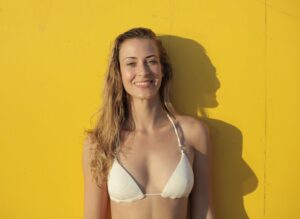

The broderie anglaise bikini has been building momentum away from the spotlight for two full seasons, and now it is arriving at the centre of summer fashion with enough force to displace the bandeau set from its dominant position.
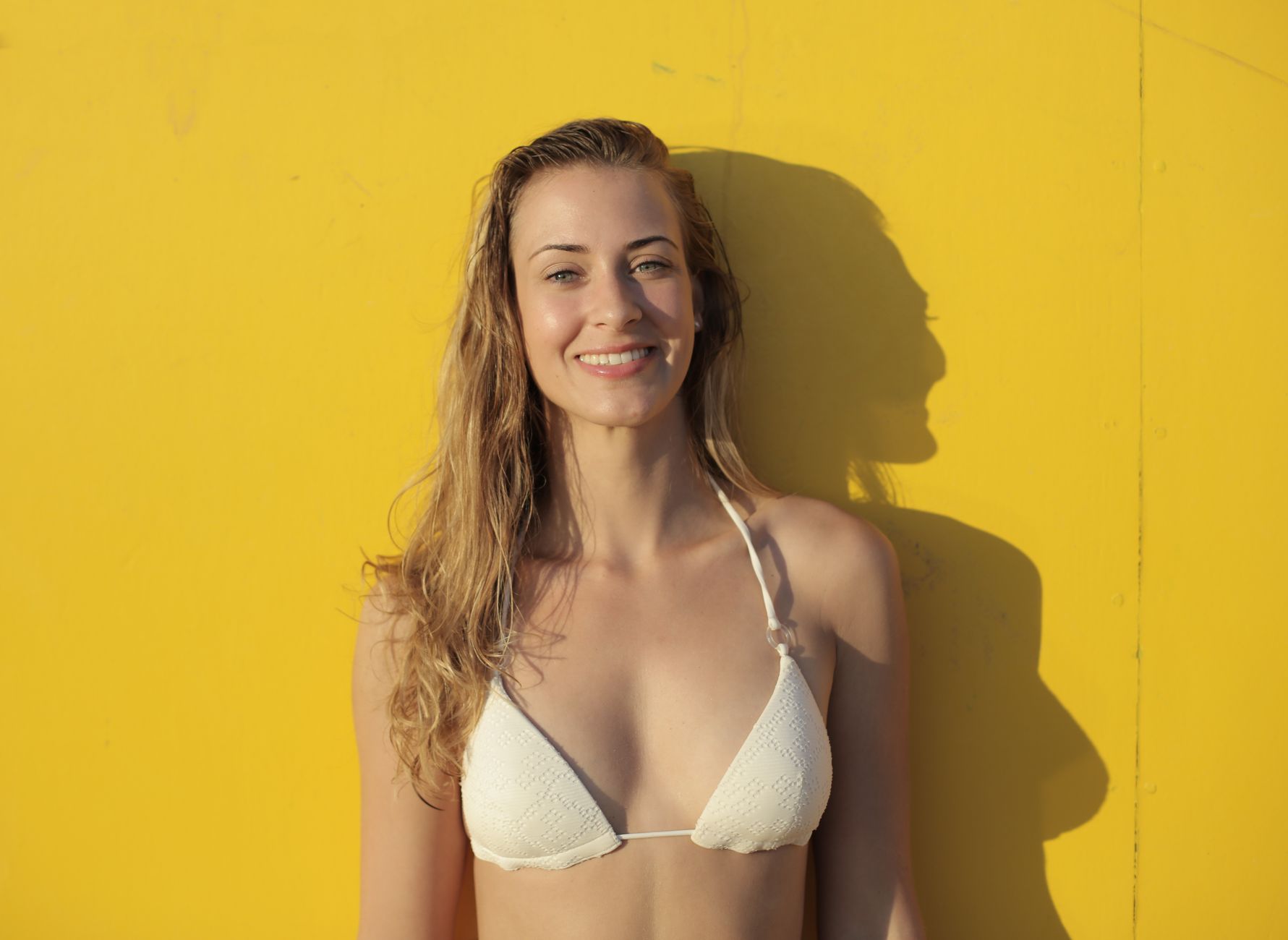
Why the Bandeau’s Reign Is Slipping
The bandeau bikini had a solid run. It suited the minimalist aesthetic that dominated swimwear through the early part of this decade – clean lines, little hardware, a deliberate rejection of anything fussy. Brands leaned into it because it photographed beautifully and required almost no design complexity. For a few years, it was the default answer to the question of what to wear poolside.
The problem with defaults is that they eventually feel like a uniform. When every beach bag contains roughly the same iteration of a strapless top and a low-rise bottom, the look stops feeling like a choice. The bandeau became associated with a particular kind of aspirational sameness – polished, inoffensive, and, increasingly, boring. That is not a criticism of the silhouette itself so much as a description of what happens when any trend reaches total saturation.
Broderie anglaise fills the gap the bandeau left. It brings texture to a category that had been flattening itself out. The embroidered cutwork – traditionally associated with summer dresses, blouses, and, recently, broderie anglaise shorts sets – translates surprisingly well into swimwear because it retains that same breezy, warm-weather quality while adding genuine visual interest. It reads as deliberate craftsmanship rather than trend-chasing.
There is also something to be said for the structural contrast the broderie bikini offers. The cutwork fabric has a slightly more substantial feel than the thin jersey or satin-touch materials most bandeau sets use. That weight gives it a more considered look, the kind of swimwear that does not read as an afterthought but as an actual outfit – something that holds up on a rooftop terrace or at a beach restaurant as well as on the sand.
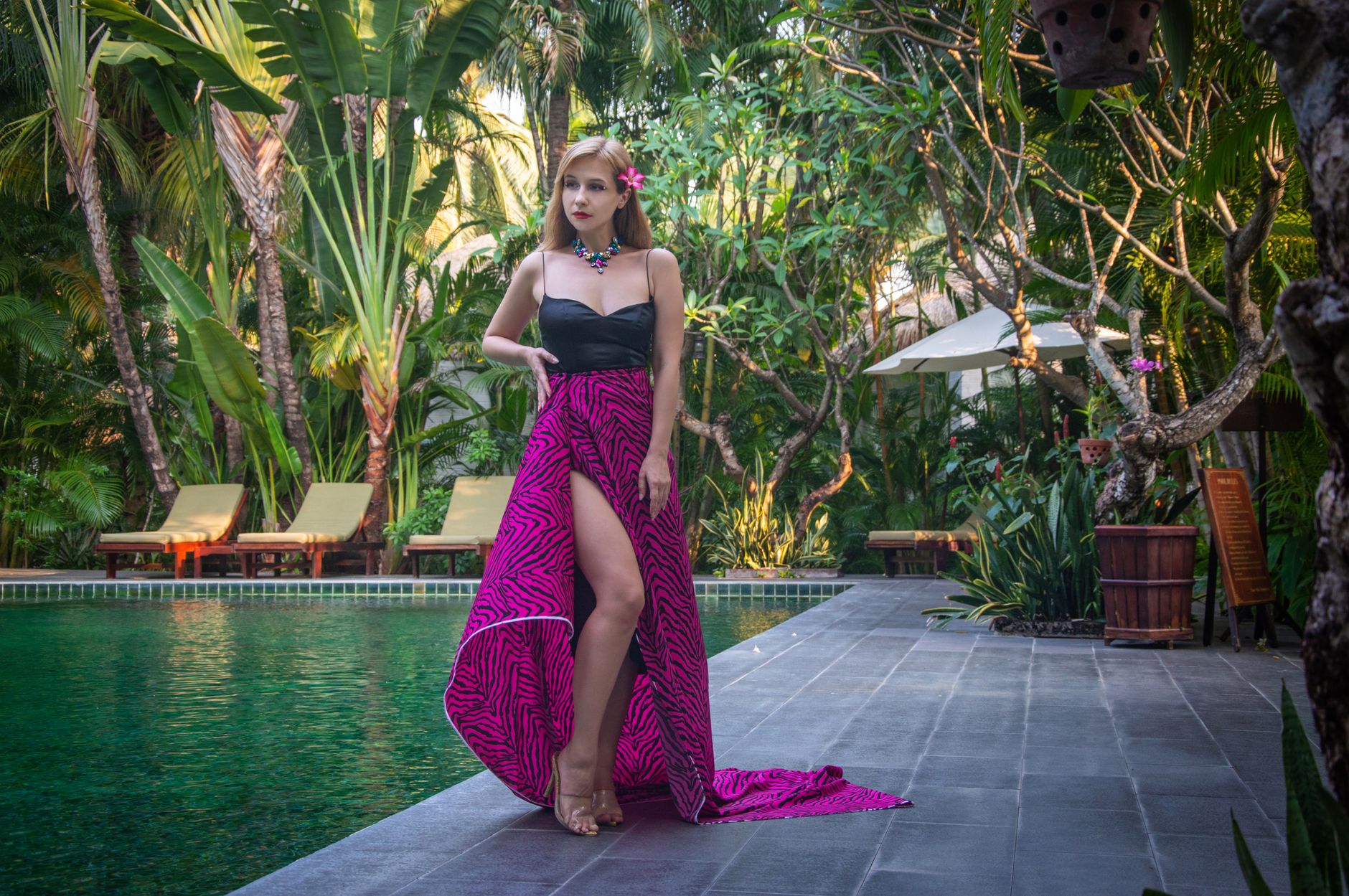
How the Broderie Bikini Is Being Styled Right Now
The silhouette pairing most commonly attached to the broderie bikini right now is a high-cut bottom with a longline bralette-style top – one that ties at the back and often features adjustable straps. This is a practical departure from the bandeau format, which required either boning or significant structure to stay in place. The tied, adjustable version is easier to wear, more inclusive in terms of fit, and eliminates the constant anxiety of a strapless top shifting during activity.
Colour is a defining element of how this trend is playing out. While the bandeau era leaned heavily into neutrals – sand, ivory, navy, black – broderie anglaise bikinis are appearing predominantly in white and off-white, which suits the fabric’s cottage-core and artisanal associations. Some brands are experimenting with soft colour-on-colour embroidery, where the cutwork thread is a shade or two deeper than the base fabric. The effect is subtle but gives the piece more depth than a flat, printed alternative could manage.
Layering is extending the broderie bikini beyond strictly poolside usage. Worn under wide-leg linen trousers or over a slip skirt, the broderie top functions as a standalone going out piece – a shift that matters commercially and culturally. Swimwear that can double as eveningwear or resort casual represents better value in a market where consumers are scrutinising cost-per-wear more carefully. The bandeau, by contrast, is difficult to style outside of explicitly beach contexts without looking underdressed or disconnected from the rest of an outfit.
The coverage conversation also favours the broderie format. The cutwork pattern creates a visual texture that draws the eye across the fabric rather than focusing attention on fit and proportion in the way that plain, flat materials do. This is not about modesty – it is about the psychological experience of wearing something. Women who might have found the bandeau’s minimalism slightly unforgiving are gravitating toward the broderie version precisely because the detailing shifts the visual dynamic.
Accessories pairing with this bikini style also tells a clear story about where fashion is directing its energy right now. The broderie bikini is being shot consistently alongside raffia hats, shell jewellery, woven bags, and sandals with natural materials – the same aesthetic universe occupied by the summer wardrobe piece taking over from rubber slides and sport-inflected footwear. There is a consistent pull this season toward natural textures and handcraft references, and broderie anglaise sits squarely within that movement without needing to announce itself.
The Price Point Question and What Comes Next
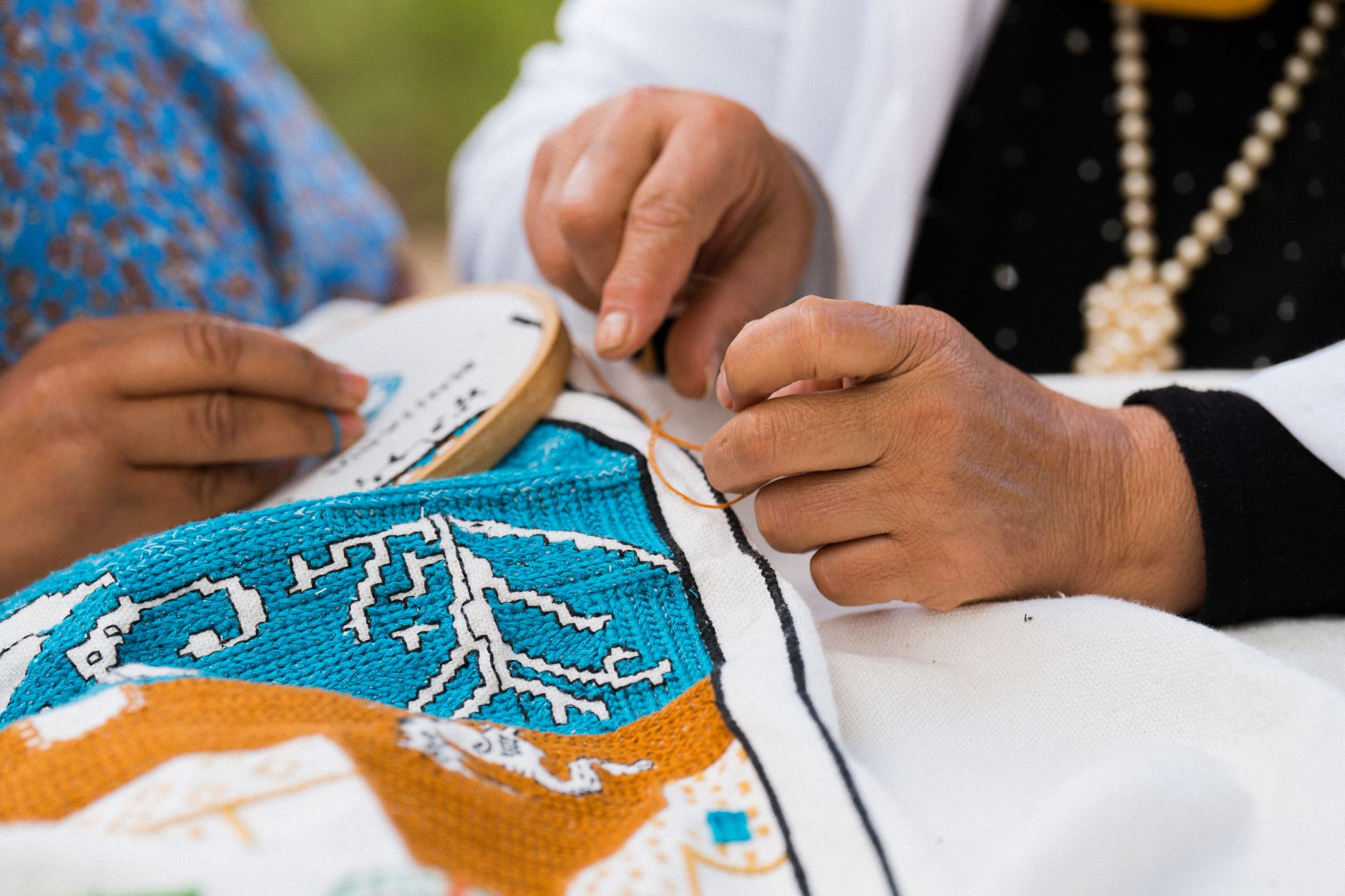
Broderie anglaise fabric costs more to produce than smooth jersey or plain nylon-spandex blends. The embroidery and cutwork process – even when done at scale with modern machinery – adds time and material complexity that pushes the price upward. This means the broderie bikini trend is currently concentrated at the mid-to-upper market tier, where shoppers are already accustomed to spending more for a swimwear piece with a longer shelf life. Whether the trend moves into mass market price points depends on how quickly manufacturers can adapt their production to handle the fabric at lower margins without losing the defining visual quality.
The real question is whether the broderie bikini can sustain interest beyond one strong summer or whether it will follow the bandeau into oversaturation. The detail that keeps it viable is that broderie anglaise is a fabric category, not a single silhouette – which means it can evolve across cuts, lengths, and colour stories without burning out as quickly as a more rigid trend would. A bandeau top is a bandeau top. A broderie fabric can become a wrap skirt, a coverup, a bikini bottom with a ruffle edge. That flexibility is exactly what gives this trend more room to run.