


When Live Audio Becomes the Main Event
Something shifted in the live events calendar over the past two years that most entertainment industry observers missed until ticket sales made it impossible to ignore. Podcast festivals – multi-day events built around live recordings, panel conversations, and meet-and-greet sessions with hosts – are selling out faster than many mid-tier music festivals, and the audience driving that demand skews heavily under 30. Gen Z, the generation that grew up with on-demand everything, is choosing to pay for the experience of being in a room where a podcast gets made.
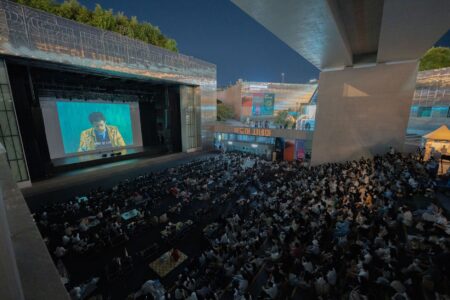
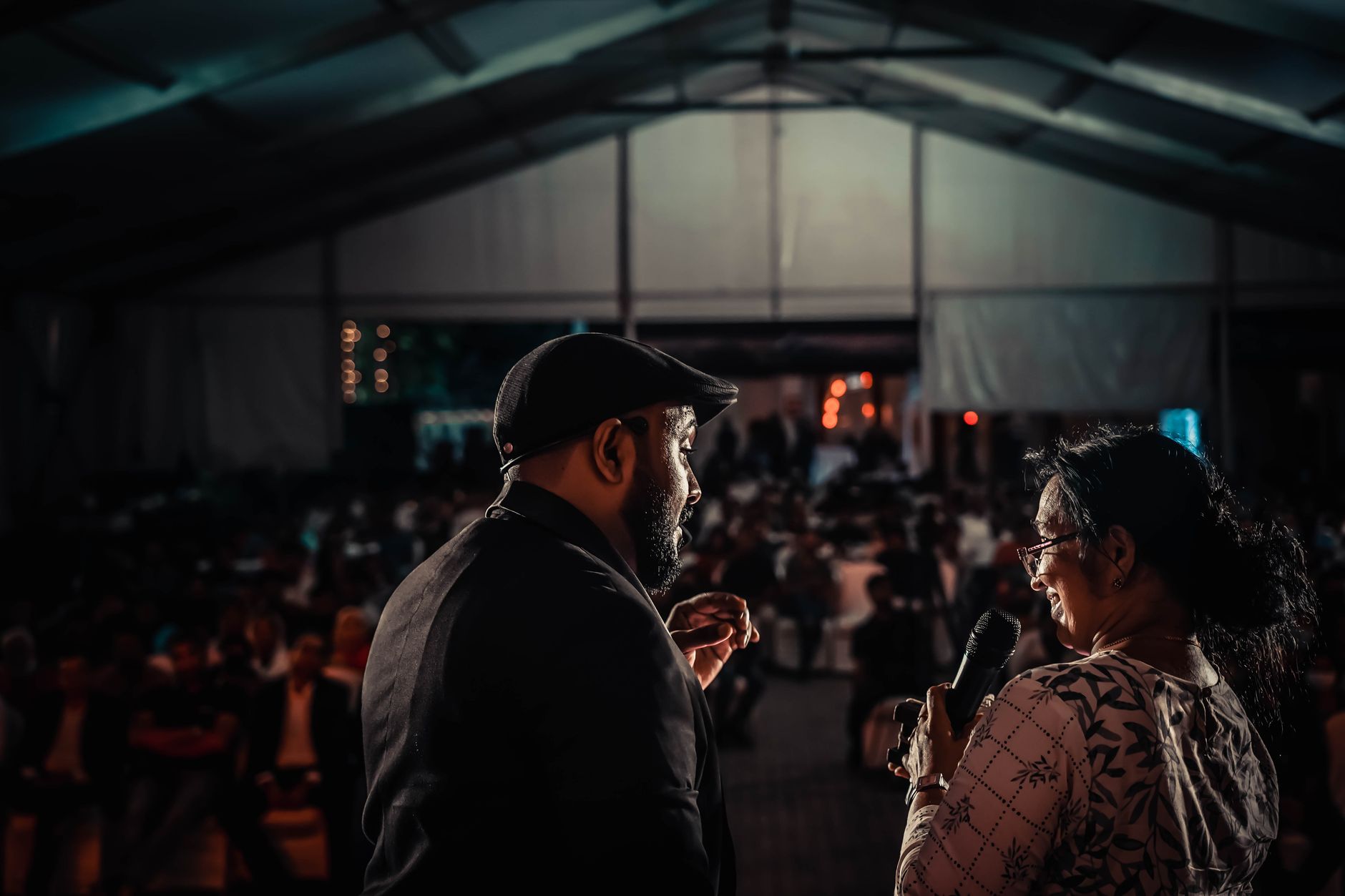
This is not a niche development happening in one city. Events like We The Fest in Jakarta, the iHeartPodcast Awards in Los Angeles, and a growing number of independently organized “pod cons” across North America and the UK are drawing attendance in the thousands. For a format that was supposed to be defined by headphones and commutes, the live dimension has grown into something substantial enough to compete with festival culture on its own terms.

The Economics Making It Work
Running a podcast festival costs a fraction of what a music festival demands. There are no touring riders, no stage production budgets measured in seven figures, no sound engineers managing elaborate rigs for 14 acts across three days. The overhead is low enough that organizers can price tickets accessibly and still turn a profit, which means the audience is not priced out before it even arrives. A weekend pass to a podcast festival frequently runs between $80 and $200, compared to the $300-plus entry point for comparable music festivals that have normalized dynamic pricing.
For the hosts and creators headlining these events, the live format solves a monetization problem that streaming never fully addressed. Spotify and Apple pay per stream, but a sold-out live show at a 2,000-seat venue generates revenue that no algorithm adjustment can touch. Merchandise tables move faster in person than online, and the parasocial relationship that podcast listeners build with hosts over hundreds of hours of audio translates directly into willingness to spend at the door.
That parasocial dynamic is worth sitting with for a moment. Podcast listeners describe their relationship with hosts differently than music fans describe their relationship with artists. The format is conversational, often unscripted, and runs long – sometimes two or three hours per episode. By the time a listener has followed a show for a year, they have spent more time with those hosts than with most people in their actual social circle. Paying to see them live is less like attending a concert and more like finally meeting someone you already know. The emotional stakes are different, and so is the behavior inside the venue.
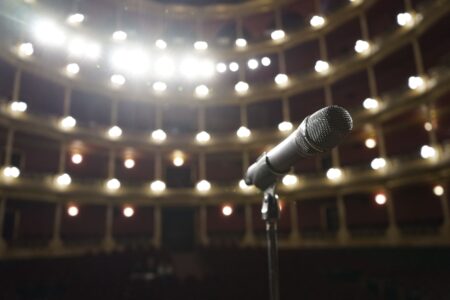
Comedy clubs are also responding to this audio-first moment – a growing number are converting their spaces into dedicated podcast recording studios, reflecting how much demand exists for intimate live taping environments outside the traditional festival context.

What Gen Z Actually Wants From a Live Experience
The generational preference driving this trend comes down to participation versus observation. Music festivals, at their core, ask attendees to watch. Even with crowd interaction, the structure is one-directional – artist performs, audience receives. Podcast festivals invert that dynamic. Live Q-and-A segments, audience voting on episode direction, social media integration during taping, and post-show access to hosts create something closer to a community event than a performance. Gen Z, raised on comment sections and Discord servers and the expectation that creators respond to their audience, finds that format more satisfying.
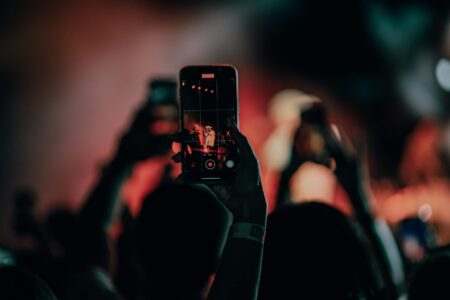
There is also a social media dimension that works in podcast festivals’ favor. A music festival produces content that looks like every other music festival – crowds, stages, light shows. A podcast festival produces content that is inherently unique: the moment a host breaks character, an unplanned guest appearance, a particularly sharp exchange between panelists. That kind of content performs well on short-form video platforms because it is specific rather than generic. Attendees are not just spectators; they are the people who captured the moment that 200,000 people watched later that week.
The Format’s Actual Limitations
None of this means music festivals are disappearing. Coachella, Glastonbury, and their equivalents still command cultural attention and enormous revenues, and the experience of hearing music with 50,000 people is not something a podcast taping replicates. The two formats serve different emotional needs. What is changing is the assumption that live music is the default mode of festival culture for young people – it no longer is, and that default took decades to establish.
Podcast festivals do have a ceiling problem. The intimacy that makes them work depends on keeping venues relatively small. Scale up to a 20,000-seat arena and the parasocial magic collapses – the host becomes just another figure on a distant stage, which is exactly what podcast listeners are choosing this format to avoid. Music can fill a stadium. A conversation cannot, at least not without losing the thing that made it worth attending.
There is also a content longevity question that has not been fully answered. Music festivals can book an artist regardless of whether they released anything recently, because the catalog holds. A podcast festival is tied to an active show, an active audience relationship, and an active creator who has not burned out or pivoted to a different platform. The churn rate among podcasts is high enough that an event built around this year’s breakout show could look very different in 18 months.
Still, the structural conditions that created this moment – high music festival ticket prices, a generation that processes intimacy through audio, creators who need live revenue, and venues looking for content that is cheaper to host than a touring band – are not going away. The question is not whether podcast festivals have an audience. It is whether that audience stays loyal when the novelty wears off and attending becomes an ordinary weekend plan rather than something worth posting about.