


Why does conversation come so much easier at mile two than across a cocktail table? Running side by side removes the staging that makes meeting strangers feel like an audition. Nobody has to hold eye contact, perform charm, or fill silences, because the activity does half the work. Breathing hard has a way of flattening small talk into something more honest, and a shared goal, even one as modest as finishing a three-mile loop, gives two strangers an instant common subject.
The bar now has a rival, and it wears reflective leggings.
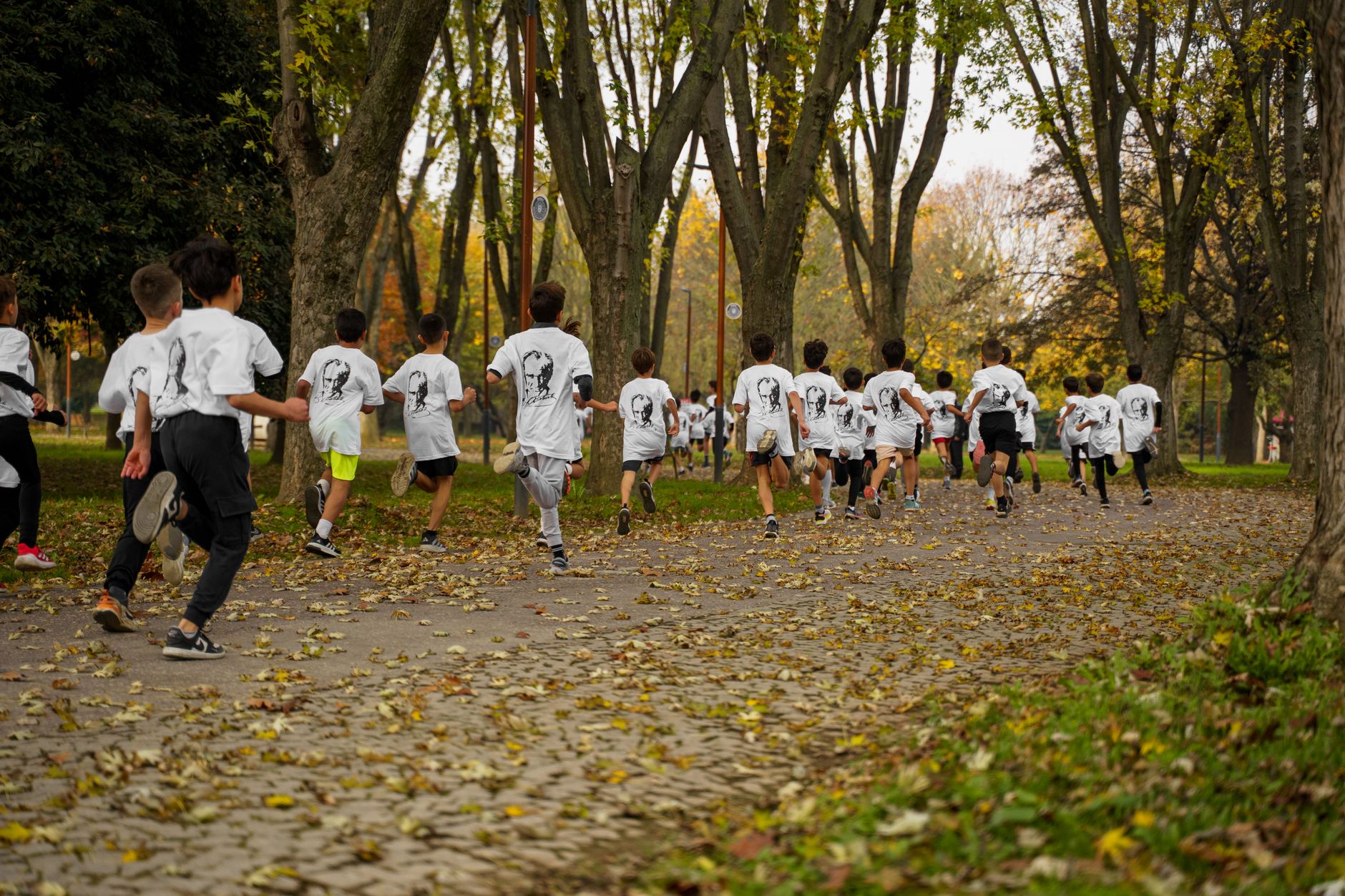
Run clubs, once the territory of serious racers and marathon trainees, have become a weekly social ritual in many cities. Groups gather outside coffee shops, running stores, and breweries, split into pace groups, and head out together before reconvening for drinks or pastries. Their feeds are full of group photos, post-run smiles, and the occasional engagement announcement. Whether people arrive looking for a partner, a new circle of friends, or simply a reason to leave the apartment, the format accommodates all three without forcing anyone to declare their intentions.
Why Moving Side by Side Beats Sitting Across a Table
A first date at a restaurant carries a quiet pressure: two people, one table, a clock running on every awkward pause. A run club flips that setup. The group is the buffer, the route is the agenda, and the stakes are low enough that nobody feels trapped. If a conversation fizzles, there is a natural way out, since you can speed up, drift back, or switch to a different pace group without anyone taking offense. That freedom to step away is exactly what makes people more willing to step in and say hello.
Repetition does the rest. Most social settings built around meeting new people, from mixers to speed dating, rely on a single high-pressure encounter. Run clubs work because the same faces show up week after week, and familiarity builds in small increments. You nod at someone in the first week, trade a joke about the hill in the third, and by the sixth you know their usual pace, their coffee order, and whether they complain about early starts. Attraction and friendship both tend to grow from this kind of low-stakes exposure, and a weekly run produces it almost by accident.
There is also information you simply cannot get from a dating profile. You see how someone handles discomfort, whether they encourage slower runners or quietly sprint ahead, how they treat the person organizing the route, and whether they show up when it is cold and gray. Those observations are hard to fake and easy to read. A person who turns up consistently, stays cheerful on mile four, and waits for the stragglers is telling you something that no curated photo ever could. For anyone tired of deciding based on a few carefully chosen images and a witty bio, that is a real draw.

How Clubs Became the New Social Infrastructure
The rise of run clubs also has a practical side. Many adults find that the places that once supplied friendships, such as school, college, and early-career offices, stop doing so after a certain point. Making a new friend in your thirties takes effort, repeated contact, and a setting where it is normal to talk to people you do not know. A run club supplies all three at the cost of a pair of sneakers. It asks for no membership fee in many cases, no special skill, and no prior connections, which makes the barrier to entry far lower than that of a gym class or a private social club.
Local businesses have noticed. A running store, a coffee shop, or a taproom can turn a weekly group into a dependable stream of foot traffic, and many have started hosting their own. Larger athletic brands have also leaned into the format, treating clubs as community-building tools as much as marketing channels. The arrangement suits everyone involved: the host gets regulars, the runners get a meeting place, and the post-run gathering becomes the real event. In many groups the run is the excuse, and the half hour of standing around afterward is where the actual connecting happens.
None of this is frictionless. Some clubs develop cliques that feel as closed as any private party, and newcomers can find it intimidating to join a group that already seems to know each other. The social pressure can tilt toward performance, with matching outfits, speedy splits, and carefully framed photos crowding out the casual spirit that made the format appealing. Dating inside a running community carries its own awkwardness too, since a bad breakup means seeing your ex every Tuesday. Good organizers tend to address these problems head-on by welcoming first-timers personally, offering walk-run options, and keeping the vibe closer to a neighborhood hangout than a competition.
The Part No One Photographs
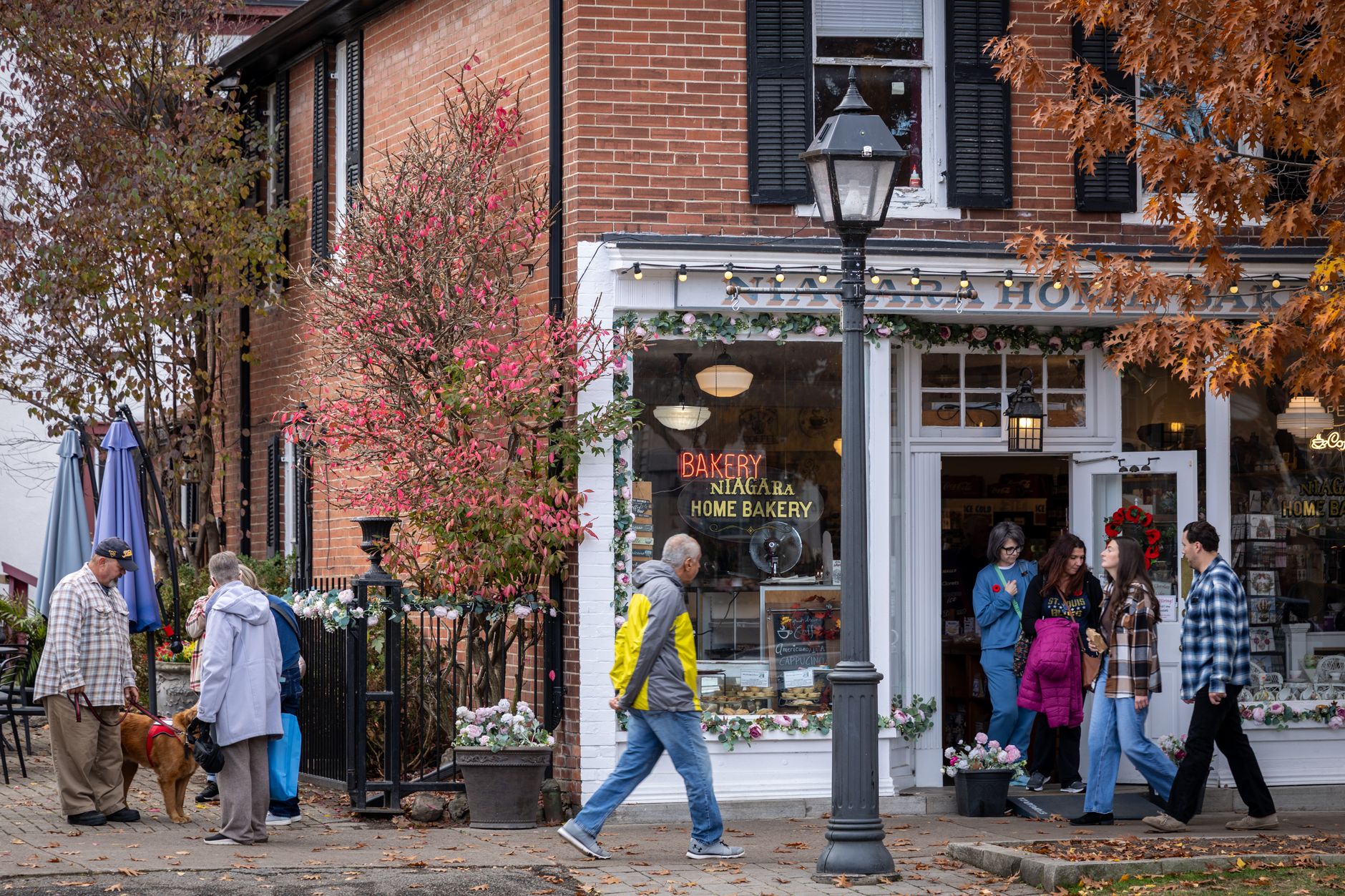
The real test of any run club comes after the group photo, when it is raining, half the regulars have stayed home, and the person you were hoping to see is not there – but the coffee line still forms, and you stand in it anyway.
Frequently Asked Questions
Why are run clubs popular for meeting people?
Running side by side lowers the pressure of face-to-face conversation, and seeing the same people weekly builds familiarity naturally. The group setting also makes it easy to join in or step away.
Do you need to be a fast runner to join a run club?
No. Most clubs offer multiple pace groups, and many welcome walkers and first-timers. The social side is usually as important as the run itself.
Can run clubs really lead to dating?
They can, because regular, low-pressure contact lets people see each other’s character over time. Many people also treat clubs as a way to build friendships first, with romance as a possible bonus.