



Proenza Schouler has never been a label that shouts. Its power has always lived in the cut – in the way a jacket sits on the shoulder, in the particular weight of a trouser that makes the wearer stand differently. After years of operating at a quieter frequency than the fashion press tends to reward, the New York brand is finding its way back into the conversation, not through reinvention, but through an almost stubborn commitment to what it has always done well.
A Brand Built on Structure, Not Spectacle
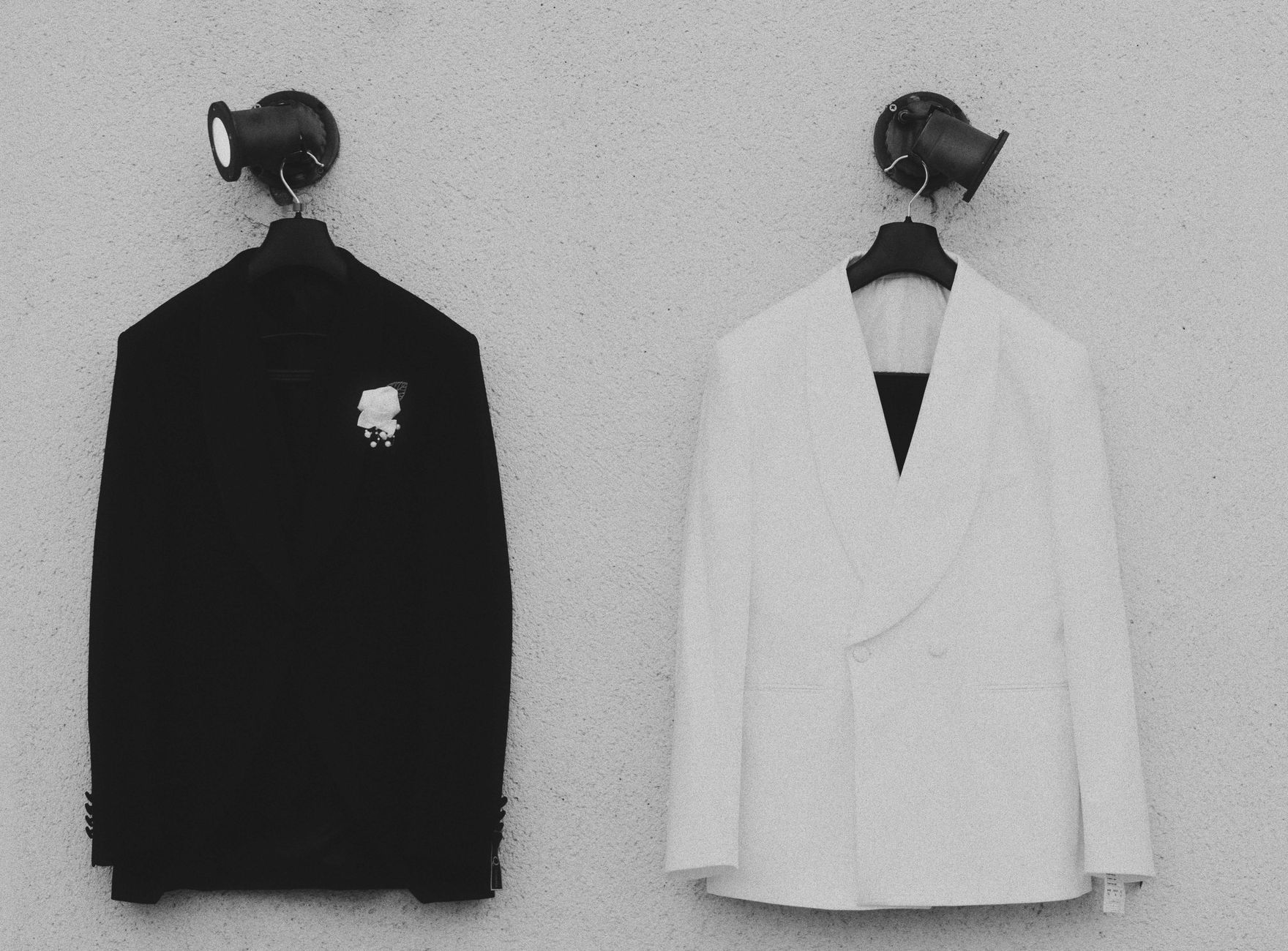
Jack McCollough and Lazaro Hernandez launched Proenza Schouler in 2002 fresh out of Parsons, with a senior collection that Barneys New York bought outright before graduation. That origin story still defines the brand’s DNA: clothes made by people who think about construction first, trend second. The tailoring that appeared in their early collections – boxy blazers with unexpected seaming, trousers with a slight architectural flare – set a template that the house has returned to repeatedly across two decades.
What made the label a darling of the mid-2000s fashion press was precisely this refusal to be ornamental. While contemporaries were leaning into logomania or maximalist embellishment, Proenza Schouler built its reputation on restraint. The PS1 bag became a cultural shorthand for a certain kind of downtown New York cool – understated, deliberately proportioned, worn by women who preferred suggestion over statement. That aesthetic carried the brand through its early years with considerable momentum.
The intervening decade brought genuine turbulence. The label’s move away from Kering’s support structure, its relocation from a larger show format to more intimate presentations, and the broader market pressure on mid-luxury American fashion all created noise around a house that functions best in quiet. Sales volumes fluctuated, department store relationships shifted, and the brand temporarily lost some of its editorial presence to newer names with louder social media strategies.
But the work never actually stopped being good. That is the detail the current revival hinges on. When a brand goes quiet for reasons that have more to do with business mechanics than creative decline, the clothes tend to age better than the press coverage. Buyers who held onto Proenza Schouler pieces from 2010 through 2016 found them still relevant ten years later – a fact that the resale market has started to register.
Why the Tailoring Is Landing Differently Now
The current moment in fashion is unusually hospitable to exactly what Proenza Schouler makes. After several seasons dominated by the kind of maximalism that required constant visual escalation, dressing has shifted toward clothes that hold up under scrutiny rather than disappear into context. Sharp tailoring – the kind that requires actual pattern-making skill, that uses cloth weight and seam placement to create silhouette rather than relying on embellishment – is being reassessed as a genuine form of luxury rather than a default option.
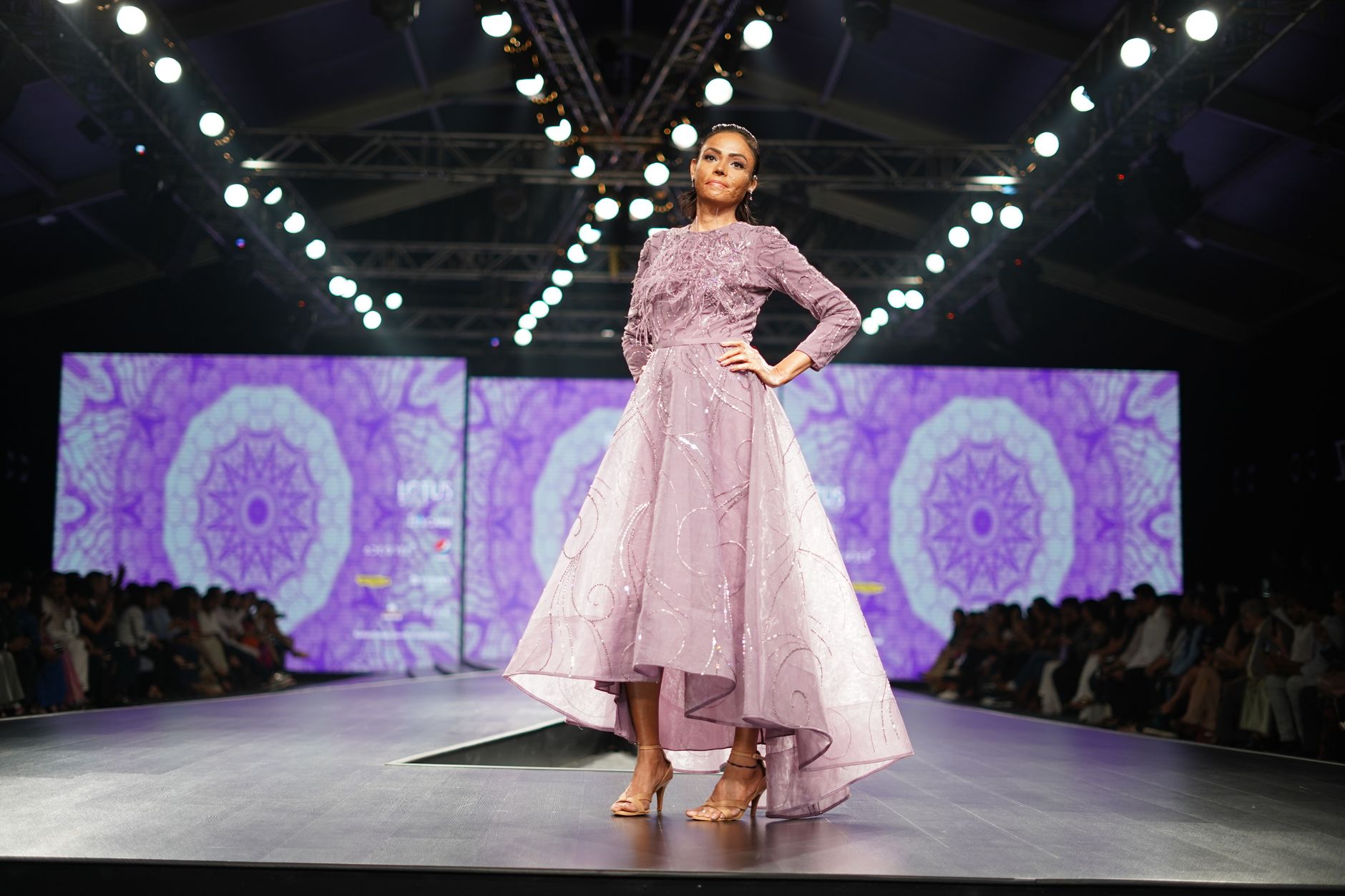
Recent Proenza Schouler collections have doubled down on this vocabulary with unusual confidence. Structured blazers with elongated lapels. Trousers cut wide through the hip and tapered at the ankle with enough precision that the geometry reads from across a room. Leather pieces – never the label’s headline category, but always quietly present – that carry the same architectural logic as the tailoring. The palette stays controlled: blacks, warm whites, deep taupes, with color arriving as a punctuation mark rather than a theme.
The styling choices matter here as much as the clothes themselves. McCollough and Hernandez have been consistent about presenting the tailoring without the kind of ironic underdressing or deliberate deconstruction that became shorthand for “cool” in recent seasons. A blazer is worn as a blazer. A trouser is hemmed properly. This straightforwardness reads as confident rather than conservative, which is a difficult tonal register to hit and one the brand manages without apparent effort.
The celebrity dressing conversation has shifted in the label’s favor as well. Stylists working with clients who want to project authority without leaning on heritage European houses have started pulling Proenza Schouler with new regularity. The label offers something that has become genuinely difficult to find: American tailoring with a clear point of view, made at a scale where quality control remains visible in the finished garment. It sits at a price point where the construction cost justifies the retail number, which is not always true of comparable options.
The resale trajectory is a useful indicator of where the brand actually stands with consumers rather than press. Vintage Proenza Schouler pieces from the early archive have been holding and in some cases increasing in value on secondhand platforms, with structured jackets from the 2008-2014 period attracting particular attention. This is the kind of market behavior that signals genuine desirability rather than manufactured hype – buyers spending real money on pieces they intend to keep, not flip. A label positioned this way is in a stronger place than any amount of front-row coverage can manufacture.
The Cult Logic of Quiet Brands
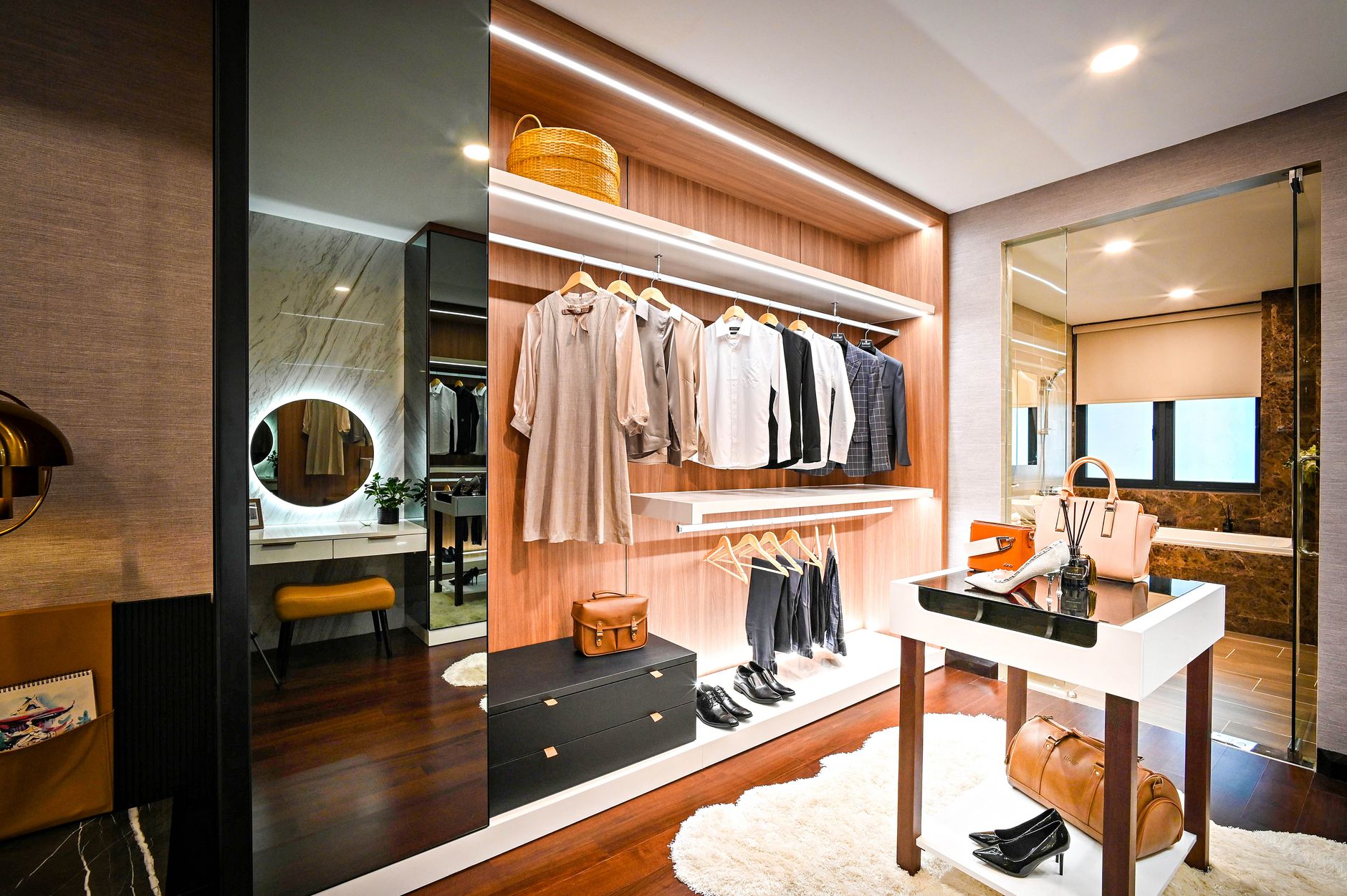
There is a specific kind of fashion loyalty that quiet brands generate, and it tends to be more durable than the attention cycles that louder houses depend on. The customer who discovers Proenza Schouler tailoring and understands what makes it different does not typically leave – she adds. She builds. The pieces work across years and contexts in ways that trend-specific clothes cannot, and that utility creates the kind of emotional attachment that turns buyers into advocates. The brand’s current moment is being driven significantly by this existing base, people who never stopped wearing the clothes and who are now finding that the conversation has caught up to where they already were.
Whether the label chooses to amplify this momentum or continue at its current measured pace will determine what the next chapter looks like. There is an argument that the cult status is most powerful precisely when it remains slightly inaccessible – when you have to know enough to know why a Proenza Schouler jacket is different, rather than being told. The brand has never seemed particularly interested in explaining itself, and that restraint might be its most deliberate design decision of all.