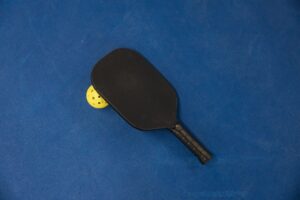

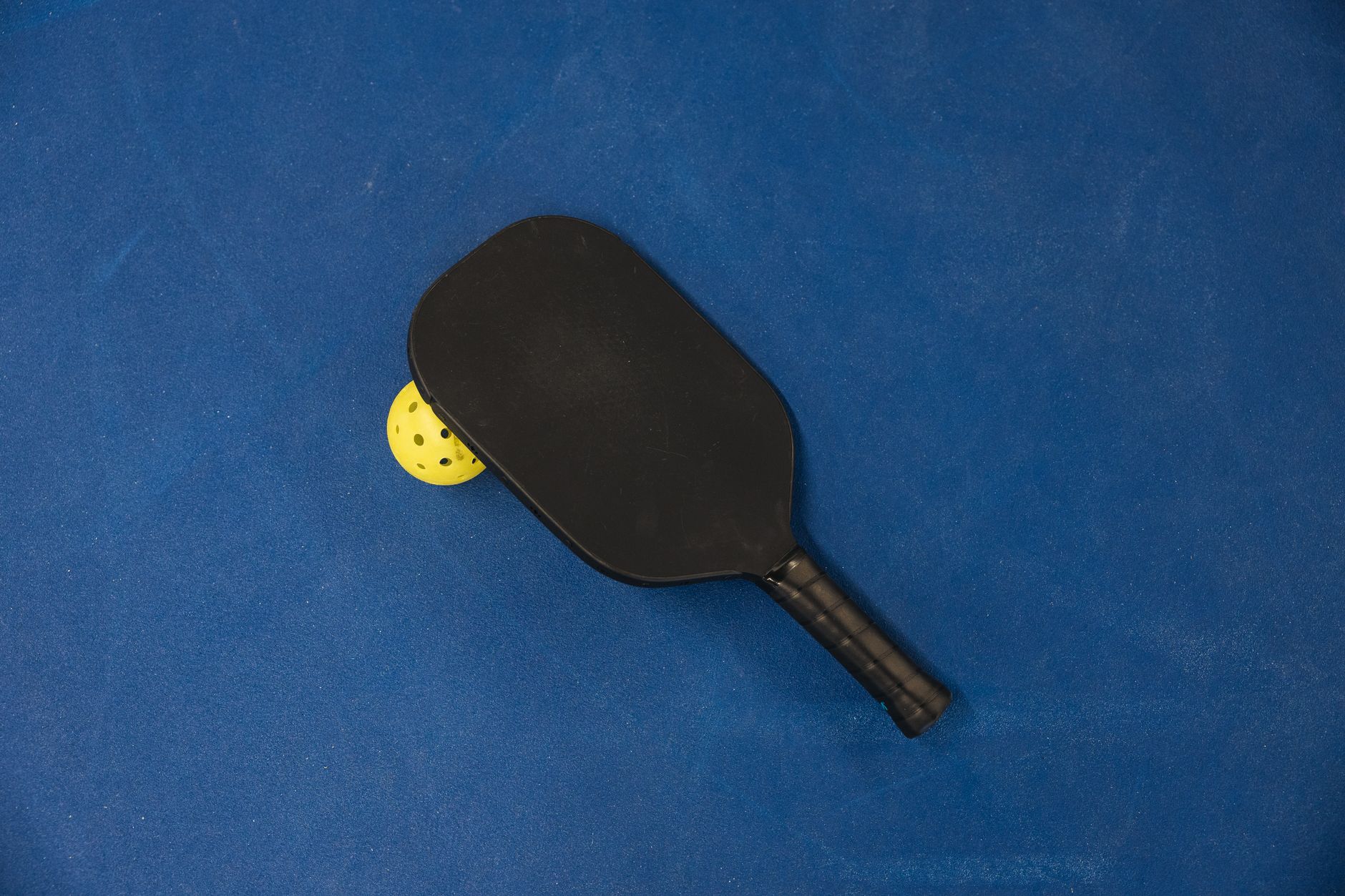
A pickleball court measures 20 by 44 feet, roughly a quarter of the footprint of a tennis court. That small size is the whole point. Four players stand close enough to hear every groan, every joke and every muttered apology after a missed dink, and for a generation that spends its weekdays on video calls, that proximity is the draw.
The sport has moved well beyond community-center gyms and converted tennis courts. A growing number of dedicated indoor clubs now pitch themselves less as athletic facilities than as social venues that happen to have courts. They come with bars, lounge seating, curated leagues and mixer nights, and their core audience is people in their twenties and thirties who want a reason to leave the apartment that is not a crowded bar.
Why the Court Works Like a Cocktail Party
Most social sports demand a long apprenticeship before they become fun. Golf punishes beginners, and tennis can feel like an hour of chasing balls into the next county. Pickleball flips that. The paddle is large, the ball is slow, and the underhand serve means a total novice can sustain a rally within the first ten minutes. That fast, low-stakes success is what lets a mixed group of colleagues, friends of friends and strangers play together without anyone feeling exposed.
The doubles format does the rest. Because the game is played in pairs, every point requires a bit of communication: who takes the middle, who covers the line, who called the shot. Those tiny exchanges function as built-in icebreakers. Players who arrived not knowing a single person tend to leave having laughed with a partner and trash-talked an opponent, which is more than most networking events manage in two hours.
Then there is the kitchen, the seven-foot zone near the net where players cannot volley. It sounds like a technicality, but it produces a style of play built on patience and touch rather than power. Strength matters less than placement, so a 25-year-old consultant and a 45-year-old marketing director can have a genuinely competitive match. Clubs lean on this by running open play with rotating partners, which keeps the room moving and keeps conversations from calcifying into the same cliques every week.
The Business of Belonging
For operators, courts are only part of the product. Memberships, league fees, guest passes, food and drinks, and private events all feed the model, and the most successful clubs treat the calendar as the real offering. Themed nights, singles-friendly socials, company outings and beginner clinics give people a reason to return on a schedule, which is what turns a casual visitor into a regular.
That regularity matters because belonging is built through repetition. A gym can have hundreds of members who never speak to one another. A club that slots people into weekly leagues and recurring time blocks creates familiar faces, and familiar faces become the people you text about Thursday night. The membership fee, in effect, buys a standing social appointment.
What Replaces the Gym, the Run Club and the Happy Hour
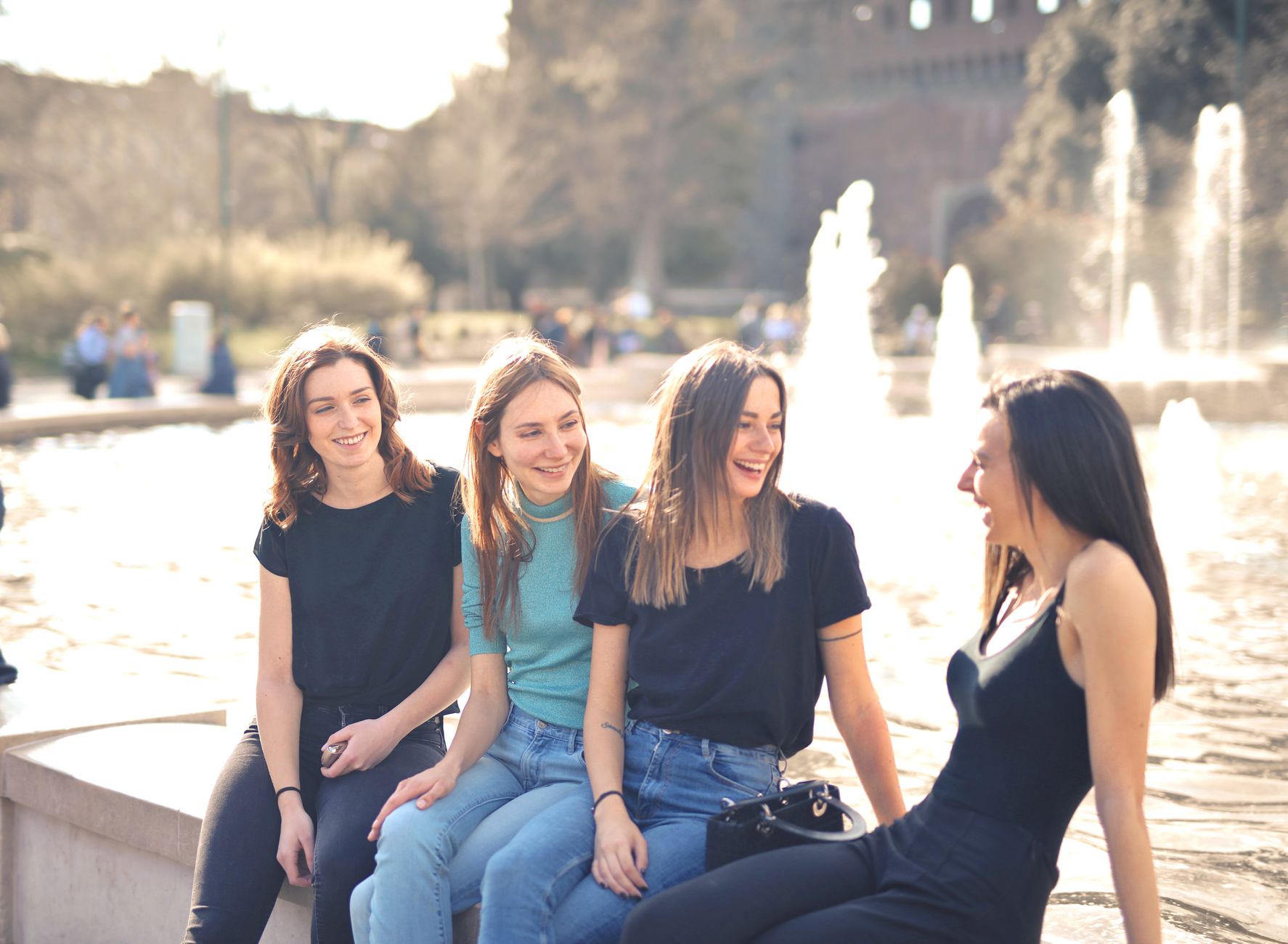
Pickleball is not the first activity to promise community. Run clubs, climbing gyms and boutique fitness studios have all made the same pitch, and each has its own limits. Running side by side makes conversation difficult at pace. Group fitness classes face the instructor, not each other. Happy hour, meanwhile, asks people to fill silence with small talk and little else. Pickleball sits in an unusual middle ground: active enough to feel like a worthwhile evening, structured enough that nobody has to invent a topic, and relaxed enough to allow a drink afterward without it feeling like a reward for suffering.
There is also a practical logic tied to how many young professionals now work. People with remote or hybrid schedules often go days without meaningful in-person contact, and the office no longer supplies friendships by default. A club offers a place where showing up is the only requirement. It also gives a loose, low-pressure way to meet potential friends, dates or business contacts, because the activity carries the interaction and nobody has to announce an agenda.
The social lure also has an edge of status. Posting from a stylish club, wearing the right paddle brand and joining a ranked league all signal a certain lifestyle, and operators clearly design for that. Interiors are photogenic, lighting is warm, and merchandise is part of the experience. The risk is that a trend with this much polish can invite the same fatigue that has cooled other fitness fads, especially if prices climb or courts become so crowded that a booking turns into a lottery.
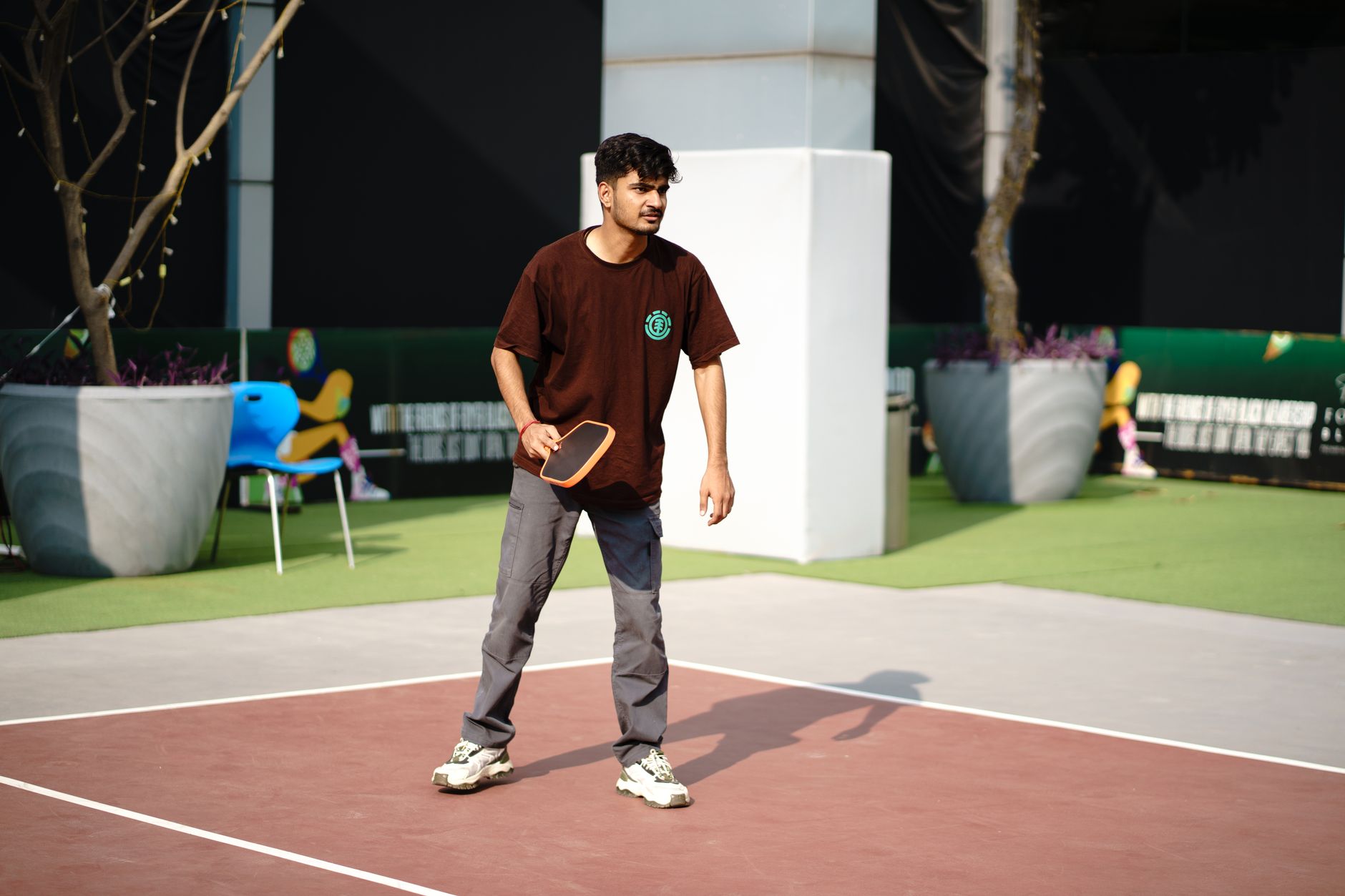
Injuries and noise complaints have already become recurring talking points around the sport, and the newcomers who flood in on a trend wave are not always the ones who stay. Clubs that last will probably be the ones where the friendships outweigh the novelty, where a regular Tuesday foursome would still show up even if the paddles disappeared. The sport’s best argument for itself is a simple one: the court is small enough that you cannot hide from the person across the net, and most people, it turns out, do not want to.