



The Split-Toe Shoe That Refused to Stay Niche
The Tabi boot was never designed for mass appeal. When Martin Margiela introduced the split-toe silhouette in 1988 – inspired by the traditional Japanese tabi sock – it was a deliberate provocation, a rejection of conventional footwear beauty standards at a moment when fashion was obsessed with sleekness and symmetry. The cloven heel, the hoof-like toe, the uncompromising shape: all of it was meant to unsettle. For decades, it did exactly that, living comfortably in the wardrobes of fashion insiders and art-world devotees who wore the shoes as a kind of membership badge.
Something changed.
Over the past two years, the Tabi boot has migrated off the runway and into a far wider range of wardrobes, appearing on commuters in Paris, worn by creative professionals in London and New York, and styled in ways that have nothing to do with avant-garde performance dressing. The question worth asking is not whether the crossover is happening – it clearly is – but why a shoe this confrontational has suddenly become so wearable to so many different people.
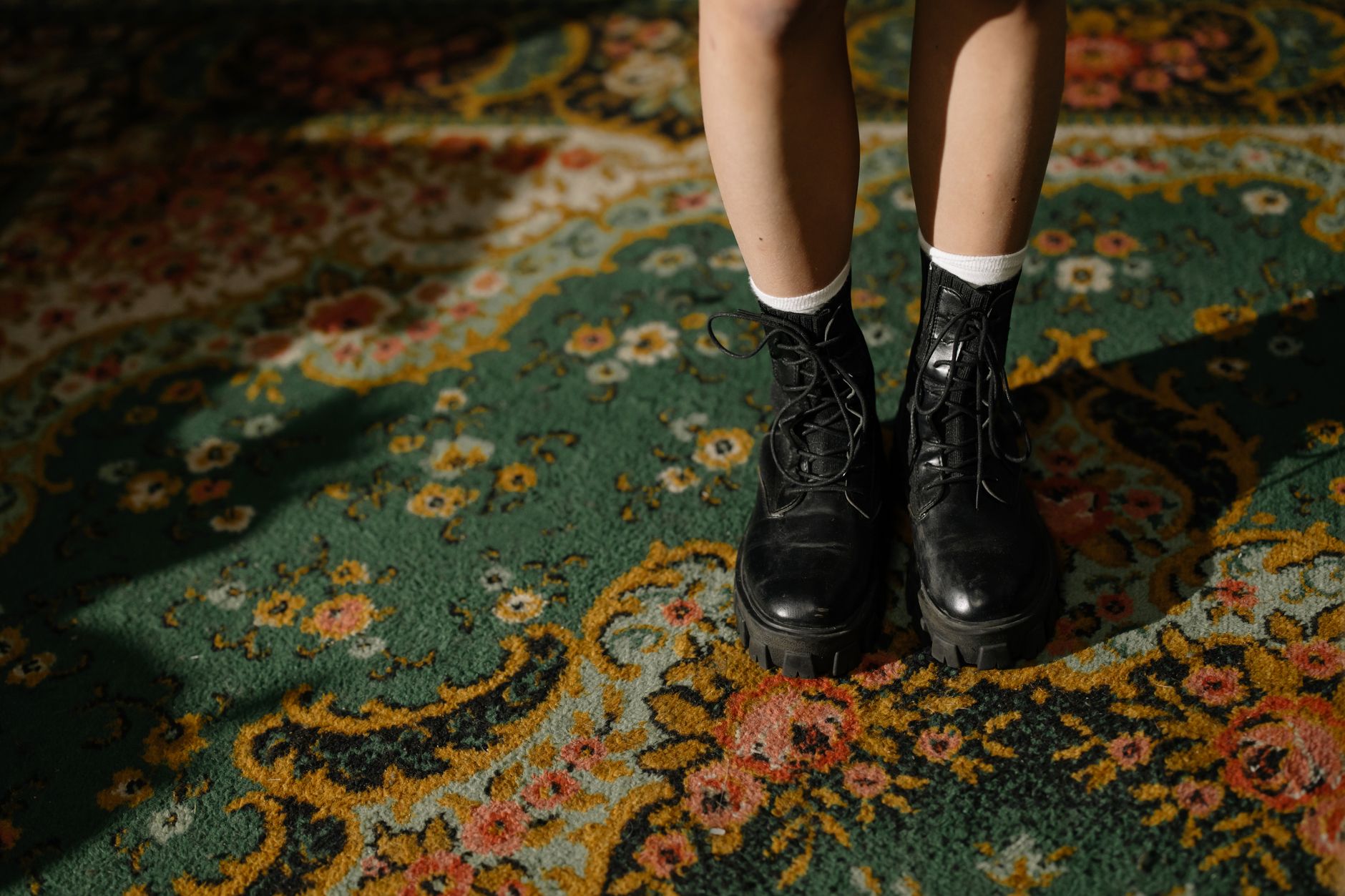
How a Conceptual Shoe Became a Wardrobe Staple
Part of the answer lies in how the broader fashion conversation has shifted toward intentionality. There is a growing appetite for clothing and accessories that carry genuine design history behind them, pieces that have a reason to look the way they look. The Tabi is not strange for strangeness’s sake – there is a coherent philosophy behind its shape, and that legibility matters to a generation of dressers who research their purchases and want to be able to articulate why they chose something. Wearing a Tabi boot is, in a sense, a statement about caring about fashion on a deeper level than trend-chasing.
The boot’s construction has also helped. The Tabi comes in multiple heel heights – from flat ankle boots to dramatic pointed-heel versions – and Maison Margiela has expanded the range over the years to include oxfords, loafers, mules, and even sneaker interpretations of the split-toe concept. This range means the Tabi is no longer exclusively a high-fashion occasion shoe. A flat Tabi boot with straight-leg trousers reads as eccentric but entirely functional. A Tabi loafer worn with tailoring looks, to anyone who is not specifically clocked into the brand, like a particularly interesting dress shoe. The silhouette has room to breathe across different registers of dressing.
Social media has done the rest of the distribution work. Short-form video has proved a particularly effective format for the Tabi because the split-toe is most striking in motion – the way it moves and catches light while walking is part of what makes it visually arresting. A still photograph captures the shape, but video captures the personality. The boot has accumulated a significant presence in styling content across platforms, and crucially, the people wearing it in that content are not only editorial stylists or professional models. They are teachers, architects, and small-business owners building outfits around a shoe that would have seemed unwearable to most of them a decade ago.
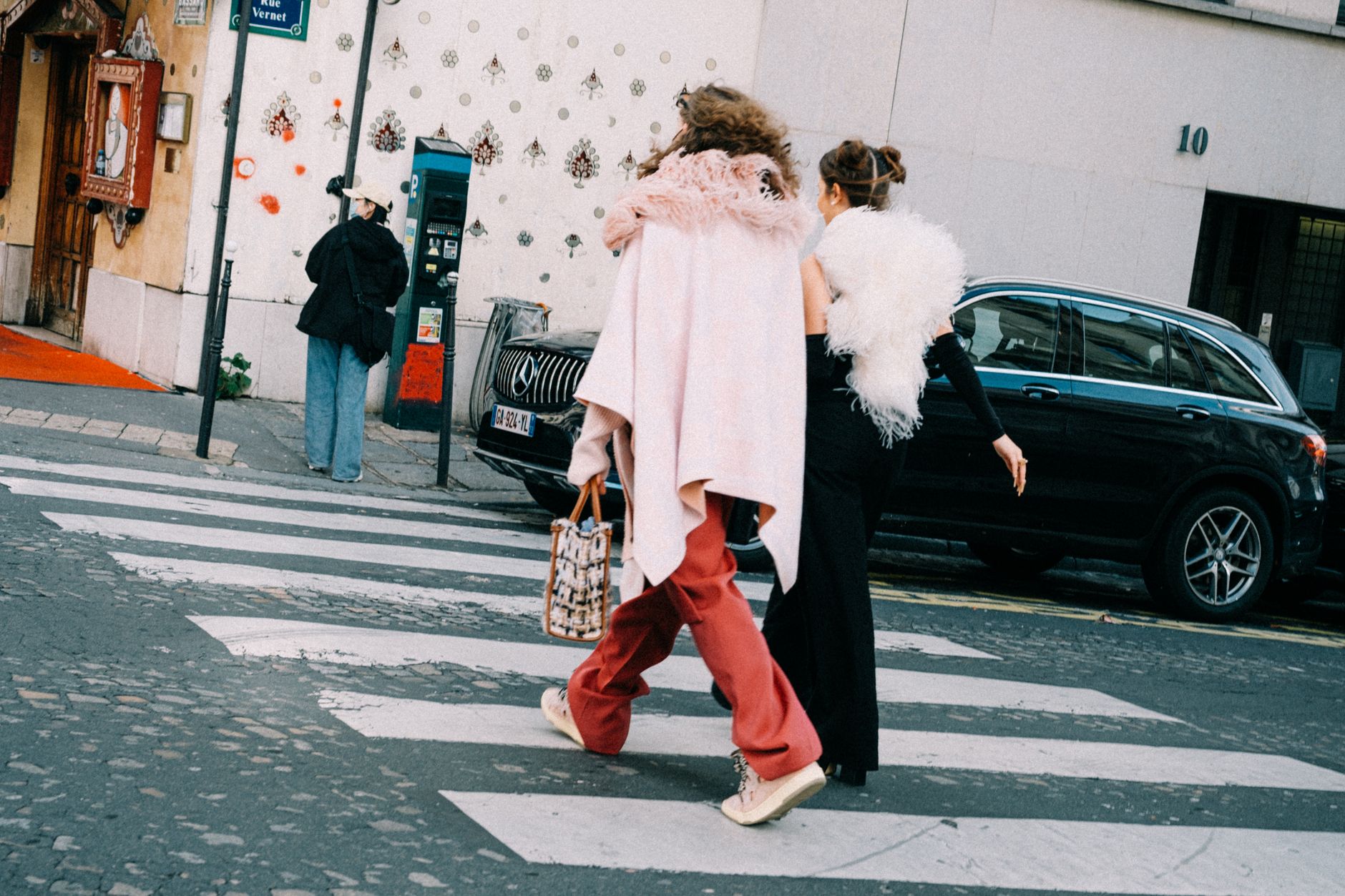
The Styling Logic Behind the Crossover
The Tabi’s integration into everyday dressing works because of a specific styling instinct: the more unexpected the shoe, the more straightforward everything else can be. A person wearing a Tabi boot with a plain white shirt, dark jeans, and a simple coat is not underdressed – the boot does enough work on its own. This ratio is important. The Tabi thrives when it is not competing with other loud elements; it is at its best as the single point of visual tension in an otherwise clean look. That principle is accessible to almost anyone, regardless of their level of engagement with high fashion.
Maison Margiela has also been strategic about price entry points and retail visibility. While the heritage leather versions remain a significant investment, collaborations and the brand’s growing retail footprint have made the aesthetic more available. More importantly, the resale market has created a secondary economy around the boot that brings older pairs into circulation at a wider range of prices, allowing new buyers to try the silhouette without committing to the full retail figure. The vintage Tabi market is active and well-documented on resale platforms, and the availability of older styles has only reinforced the boot’s status as something worth owning across multiple generations of fashion interest.
It is worth noting how the Tabi sits within a larger moment for statement footwear. Designers including Simone Rocha have demonstrated that highly specific aesthetic signatures can achieve mainstream traction without losing their edge. The Tabi follows a similar path – not diluted by popularity, but expanded by it. The more people wear it in ordinary contexts, the more the boot’s original strangeness starts to read as confidence rather than costume.
A Boot That Has Stopped Waiting for Permission
What the Tabi boot’s crossover ultimately reveals is that fashion’s most durable pieces are not the ones that compromise their identity for wider acceptance – they are the ones that hold their shape long enough for the culture to grow into them. The Tabi never changed. The rest of the wardrobe did, and now the hoof-toe silhouette that once required considerable nerve to wear to a grocery store is being styled, with complete composure, for exactly that trip.
Frequently Asked Questions
Why is the Maison Margiela Tabi boot so expensive?
The Tabi boot is handcrafted in Italy using premium leather and requires specialized construction for its signature split-toe shape, which drives the price significantly higher than standard footwear.
How do you style a Tabi boot for everyday wear?
The most effective approach is to keep the rest of the outfit simple – straight-leg trousers, a plain coat, or dark jeans – and let the boot’s distinctive silhouette carry the visual weight of the look.