

The loafer has held its ground in luxury fashion for years – a reliable signal of understated taste, the shoe equivalent of knowing without needing to announce it. But something is shifting on the showroom floors and editorial pages of high-end fashion, and Loro Piana is at the center of it. The Italian house, long associated with cashmere so fine it barely feels real, has quietly repositioned its open-toe sandal as the warm-weather essential for a customer who once would have defaulted to a polished slip-on without a second thought.
This isn’t the kind of shift that arrives with a campaign or a celebrity ambassador. Loro Piana rarely works that way. Instead, the sandal has accumulated presence through the kind of slow-burn visibility that the house specializes in – spotted on the right people, in the right contexts, without a single dramatic announcement. That restraint is, of course, the point.
What the Sandal Actually Offers
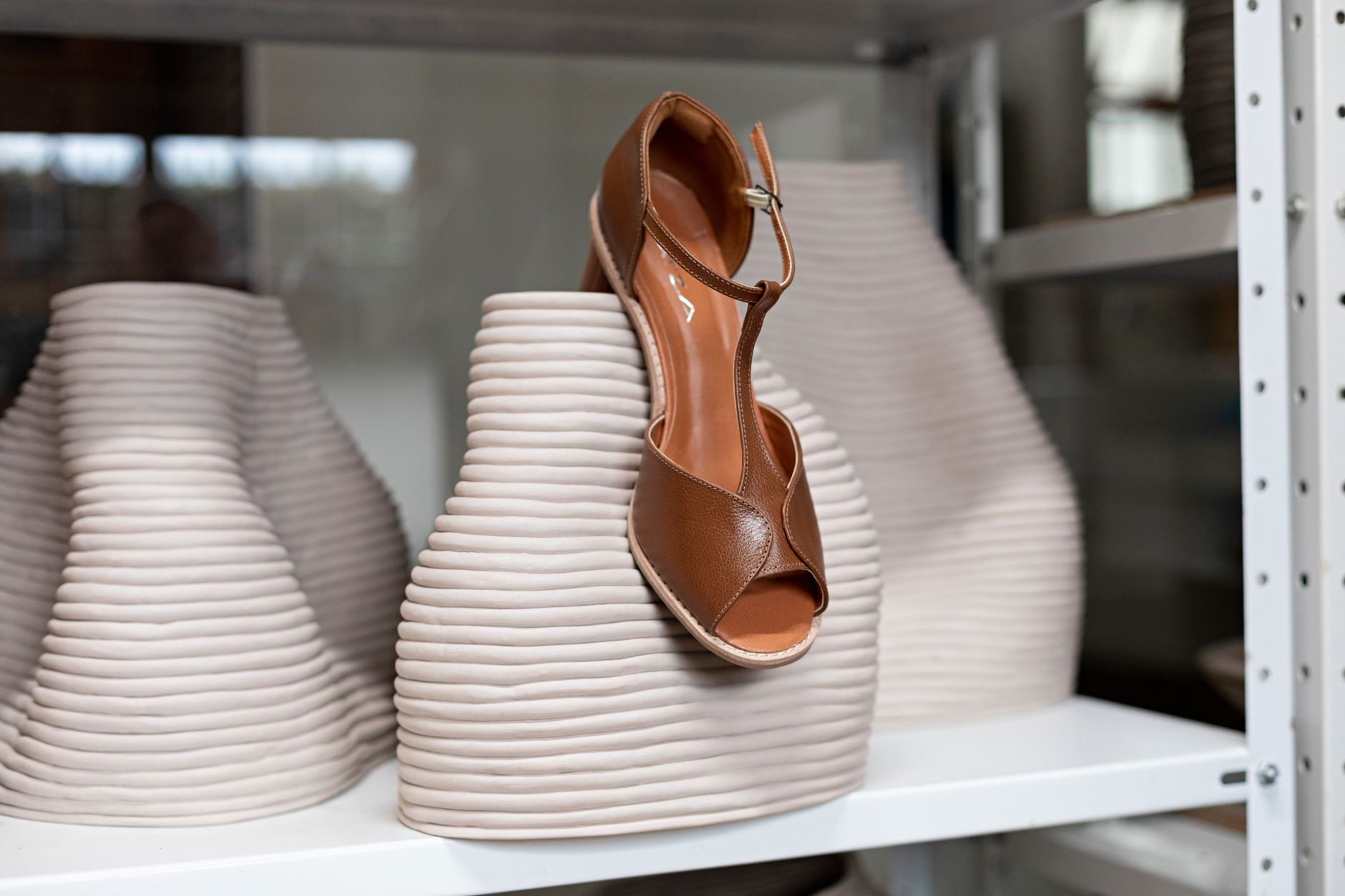
Loro Piana’s open-toe sandal is built around the same material logic that governs the rest of the brand. The constructions lean on fine leathers and suedes – often in the muted earth tones and faded neutrals the house has made its color signature. The silhouettes are low, the straps minimal, the hardware either absent or so understated it barely registers. There is no wedge, no platform, no aggressive architectural statement. The shoe communicates by not communicating.
What that simplicity achieves is a kind of versatility that the loafer – for all its adaptability – cannot fully match once temperatures climb. A suede loafer in July is a commitment. The open-toe sandal, by contrast, moves between a linen suit and wide-leg trousers and a summer dress without asking the outfit to make accommodations. That practical logic, filtered through Loro Piana’s aesthetic, turns a seasonal piece into a year-round conversation about what luxury footwear is actually for.
The Loafer’s Position Is Strong, But Not Uncontested
To be clear, the loafer is not going anywhere. Loro Piana’s own loafer lineup – including the Walk suede versions and the Summer Walk silhouettes – continues to perform strongly within the brand’s footwear offering. The loafer carries decades of cultural weight, and within the specific register of quiet luxury that Loro Piana occupies, it remains a cornerstone piece.
But the loafer has also become almost too legible. The past few years have seen it absorbed so thoroughly into the broader fashion conversation – styled on every price point, referenced across countless collections – that its once-specific signal has diluted. When a shoe becomes universally understood as the marker of a particular kind of taste, it loses some of its precision. The customer who shops Loro Piana tends to notice that kind of erosion before most.
The open-toe sandal occupies cleaner territory right now. It hasn’t been as widely interpreted or replicated at accessible price points, which means it still functions as a relatively uncontested marker within the luxury segment. That gap, however narrow, matters to the consumer the brand is speaking to.
There’s also a generational dimension here. Younger luxury buyers – the ones entering the market for the first time through Loro Piana rather than arriving from more logo-forward houses – are often drawn to the sandal first. It feels less inherited, less like something borrowed from a parent’s wardrobe, and more like a choice they arrived at themselves. That sense of ownership over a look is worth something at this price point.
Styling Logic: Why It Works Now
The open-toe sandal works in this moment because the overall direction of high-end dressing has moved toward a softer, more relaxed frame. Tailoring has loosened, proportions have dropped, and the impulse toward strictness that characterized earlier iterations of quiet luxury has been replaced by something more fluid. A rigid loafer can feel at odds with a slouchy trouser or an oversized linen blazer. The sandal sits better in that context – it doesn’t argue with the clothes.
Loro Piana’s palette also does significant work here. Because the sandal exists in the same tonal family as the rest of the brand’s offering – the camels, the warm grays, the off-whites – it integrates rather than punctuates. Dressing head-to-toe in Loro Piana logic has never been easier, which is partly by design. The sandal closes the loop on a full look without demanding its own moment.
What Comes Next for Luxury Footwear
The broader footwear market at the luxury level is currently sorting itself around two poles: the maximalist shoe, which belongs to a different conversation entirely, and the minimal statement shoe that earns its price through material and construction quality rather than aesthetic drama. Loro Piana owns the second category almost by default – very few brands operate at that level of material investment without reaching for surface interest as a substitute.
The question is how long the open-toe sandal retains the relative freshness it currently holds. Luxury footwear trends move more slowly than ready-to-wear, but they do move. If the sandal finds its way into the same widespread adoption cycle the loafer went through, the brand will need to lean harder into construction details or material innovation to sustain its position. Loro Piana has the raw material sourcing to do that – the Merino and vicuna expertise that defines the house translates into leather goods through the same supplier relationships.
For now, though, the sandal has something the loafer currently lacks: the feeling of not yet being everywhere. And in luxury fashion, that feeling is worth considerably more than any single design feature.
Frequently Asked Questions
What makes Loro Piana’s open-toe sandal different from other luxury sandals?
Loro Piana’s sandal is built around fine leathers and suedes in muted, tonal palettes with minimal hardware, prioritizing material quality over decorative detail.
Is the Loro Piana loafer being discontinued?
No – the loafer remains a core part of Loro Piana’s footwear lineup, but the open-toe sandal is gaining visibility as a warm-weather alternative among the brand’s key customers.