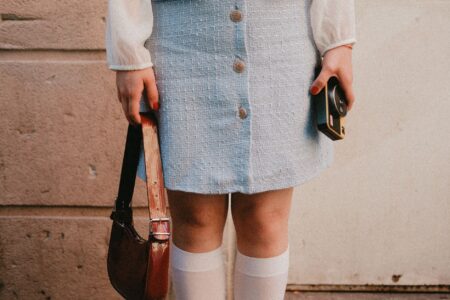



The Coat That Changed the Conversation
For decades, the trench coat has functioned as fashion’s safest bet – the item that signals taste without requiring commitment, that bridges seasons without making demands. It has survived every aesthetic cycle, every directional shift, every generational takeover. Until now, it has rarely faced a genuine competitor. Bottega Veneta’s drop shoulder jacket is changing that calculation in ways the industry hasn’t quite caught up to yet.
Matthieu Blazy’s version of the drop shoulder jacket – oversized through the chest, deliberately heavy at the hem, with that signature shoulder seam sitting somewhere between the arm and the elbow – reads as architectural without being cold. It borrows the structural logic of tailoring but refuses the rigidity that usually comes with it. The result is a coat that feels considered rather than constructed, which is a harder thing to pull off than it sounds.
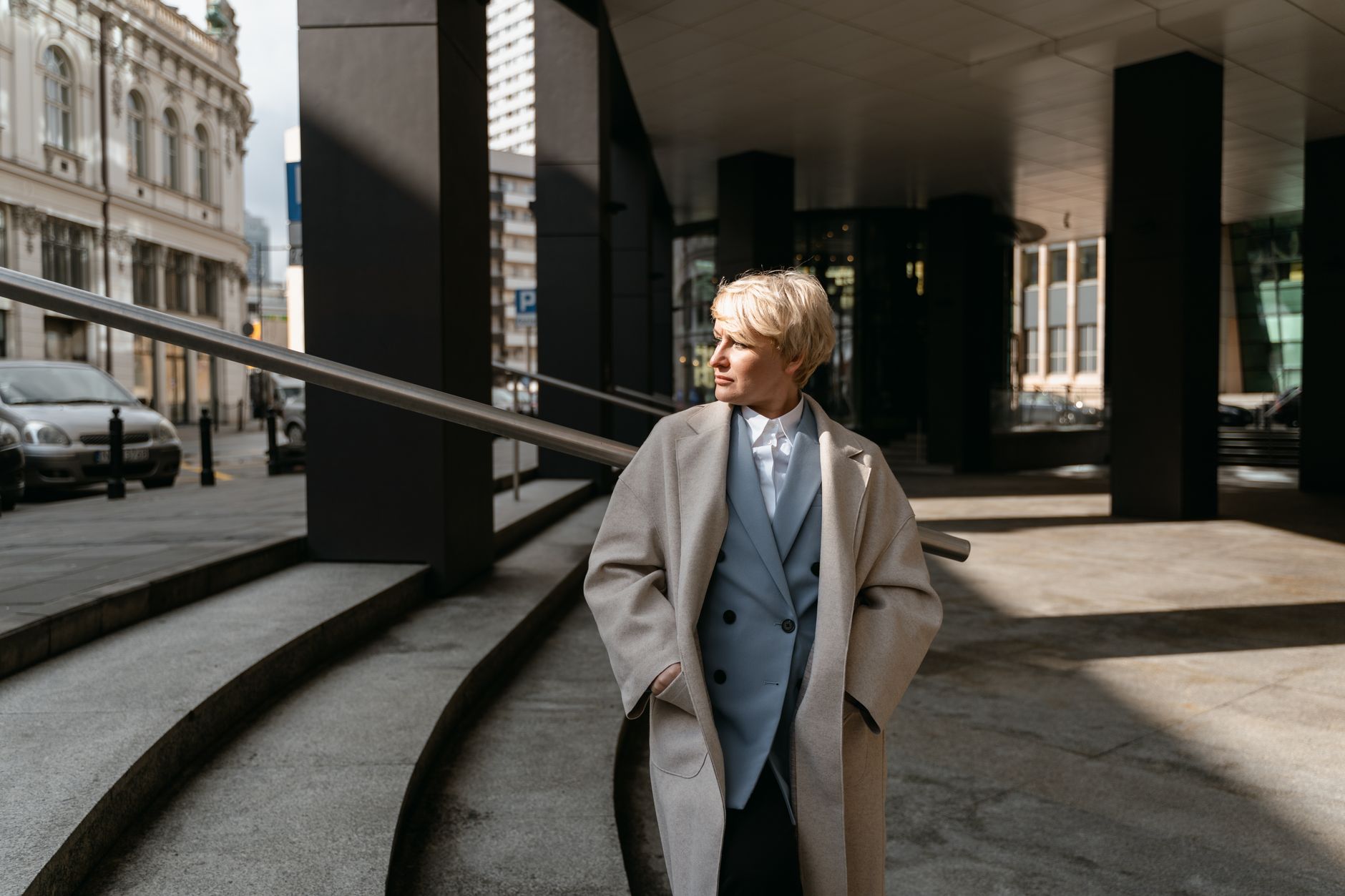
Why the Trench Is Losing Ground
The trench coat’s dominance has always rested on its neutrality. It doesn’t impose a silhouette so much as it accepts one. For a long time, that adaptability was the point – you could dress it up or down, wear it belted or open, style it over everything from jeans to evening wear. But that same neutrality has become a liability in a moment when fashion’s loudest conversations are about proportion, volume, and the deliberate choices a garment makes on its own terms.
The drop shoulder jacket makes choices. The shoulder placement creates a slightly slumped, intentional drape across the upper body that the trench – with its structured epaulettes and rigid chest – simply cannot replicate. Where the trench asks you to project authority, the drop shoulder jacket projects ease. That distinction matters more than it might seem at a glance.

Blazy’s Design Logic and What Makes It Work
Matthieu Blazy joined Bottega Veneta in 2021 and has since been methodically expanding the house’s vocabulary beyond its iconic intrecciato weave. The drop shoulder jacket represents his approach at its clearest: take a familiar silhouette, push one element far enough that the whole garment reads differently, and then build in enough restraint everywhere else that the result never tips into costume. It is the same instinct visible across his collections, but in outerwear it lands with particular force because outerwear is where proportion is most legible.
The jacket has appeared in several iterations across recent seasons – in butter-soft nappa leather, in heavy wool, in a waxed cotton that sits somewhere between the two. Each version shares the same dropped seam and the same hem weight, which creates that characteristic downward pull when worn open. The effect on the body is distinct from anything a belted coat achieves: the silhouette widens at the shoulder and narrows by implication below, without a belt doing any of the work.
It also photographs differently from a trench, which may be a larger factor in its spread than the industry likes to admit. The dropped shoulder creates a cleaner line from neck to hem in profile, and the lack of a collar that needs to be “done” means the jacket reads consistently across different wearers and different styling contexts. On a hanger it looks almost nondescript. On a body, the geometry clicks into place.
The pricing sits firmly in luxury territory, which is expected for Bottega, but the jacket has attracted a broader range of adoption than the house’s bags typically do. Bags from Bottega – including the Sardine, which has been quietly eclipsing the Cabat in recent seasons – carry the intrecciato signature as a visual marker. The drop shoulder jacket carries no such obvious branding, which makes it function differently in the wardrobe: it reads as a choice about proportion, not a choice about logo.
How It’s Being Worn Right Now
The styling that keeps circulating around this jacket is notably spare. Worn over a simple knit, with straight-leg trousers or a lean skirt, the jacket takes up enough visual space that it doesn’t need accompaniment. The tendency is to underdo everything else – minimal jewelry, low shoes, a bag that sits close to the body. The jacket is doing the heavy lifting, and good styling recognizes that.
What’s notable is that the drop shoulder jacket is being worn by people who previously wouldn’t have strayed from a classic trench. The appeal isn’t that it’s louder or more fashion-forward in a surface way – it’s that it offers the same functionality (warmth, coverage, something to throw on that reads as intentional) with a silhouette that feels like an active decision rather than a default.
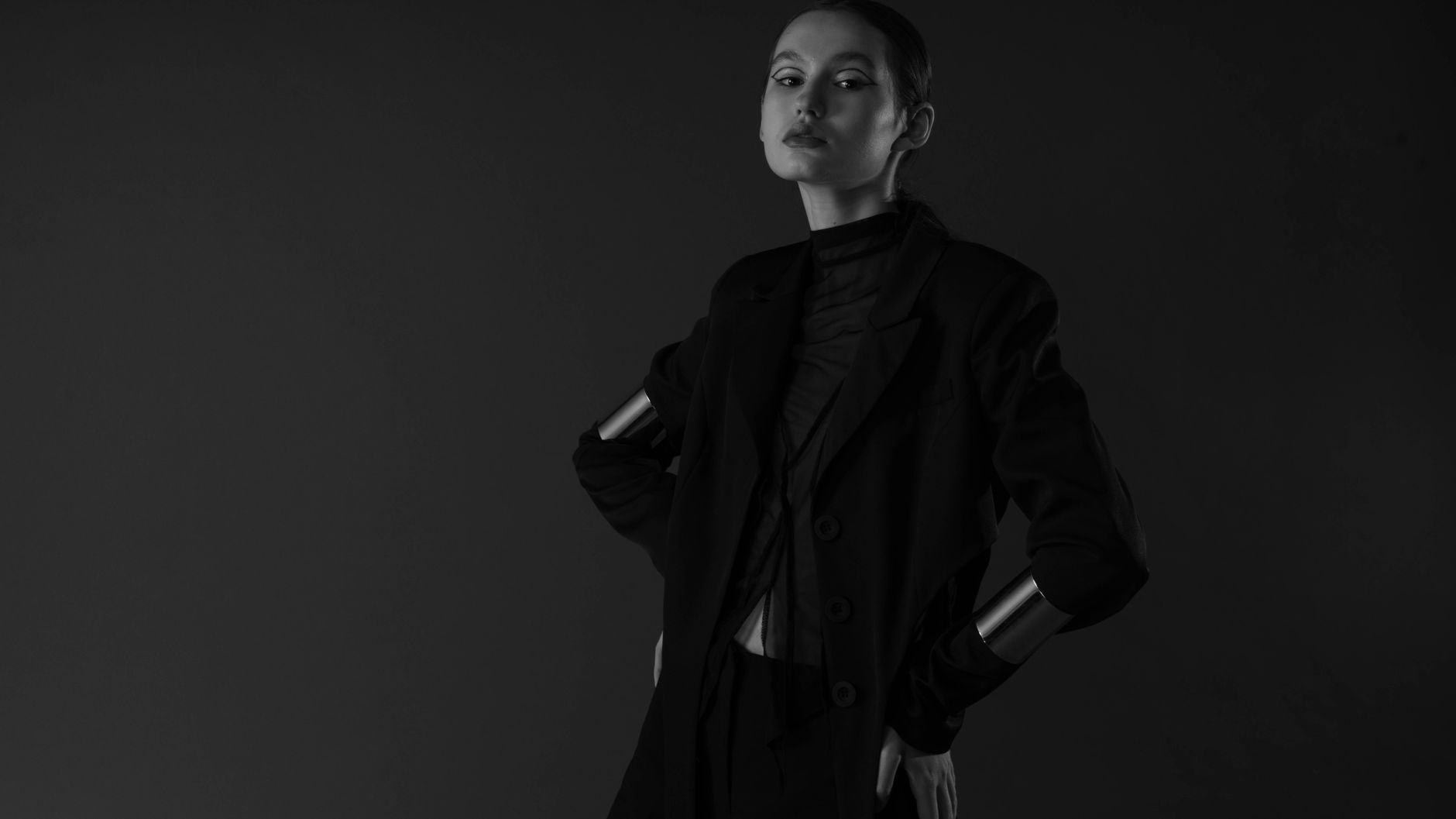
Where the Trench Goes From Here
None of this means the trench coat is finished. It is too deeply embedded in wardrobe culture, too easy to source at every price point, and too genuinely useful to disappear. But it is no longer operating as the unchallenged default for someone who wants a coat that signals seriousness without effort. The drop shoulder jacket has taken that position, at least for now, and the trench hasn’t found a clear answer to it.
The more interesting question is whether Blazy continues to push the drop shoulder silhouette into new materials and contexts, or whether the jacket’s current form is already close to its final expression. He has a tendency to iterate quietly – adjusting weight, drape, and proportions between collections rather than announcing changes – which means the version you buy this season may read slightly differently from the one that arrives next year. That kind of slow refinement is how a garment earns staying power, and it’s also what separates a coat with a future from one that’s simply having a moment.
For now, the trench coat is getting out-proportioned, one dropped seam at a time.