



Minimalism in fashion has a habit of cycling back just when the industry least expects it. After several seasons dominated by clashing prints, exaggerated proportions, and maximalist layering, Jil Sander’s recent collections have arrived like a cold glass of water – precise, unadorned, and quietly insistent. The house, long associated with architectural restraint and tonal dressing, is finding a new audience that is tired of noise and actively seeking clothes that do less but say more.
The timing is not accidental. A growing segment of fashion consumers is pulling back from the dopamine-dressing trend that defined much of the early 2020s. What Jil Sander is offering – elongated blazers with almost no embellishment, wide-leg trousers cut with surgical accuracy, monochromatic looks built entirely on proportion – maps directly onto that fatigue. The brand is not chasing a moment. It is simply there when the moment arrives.
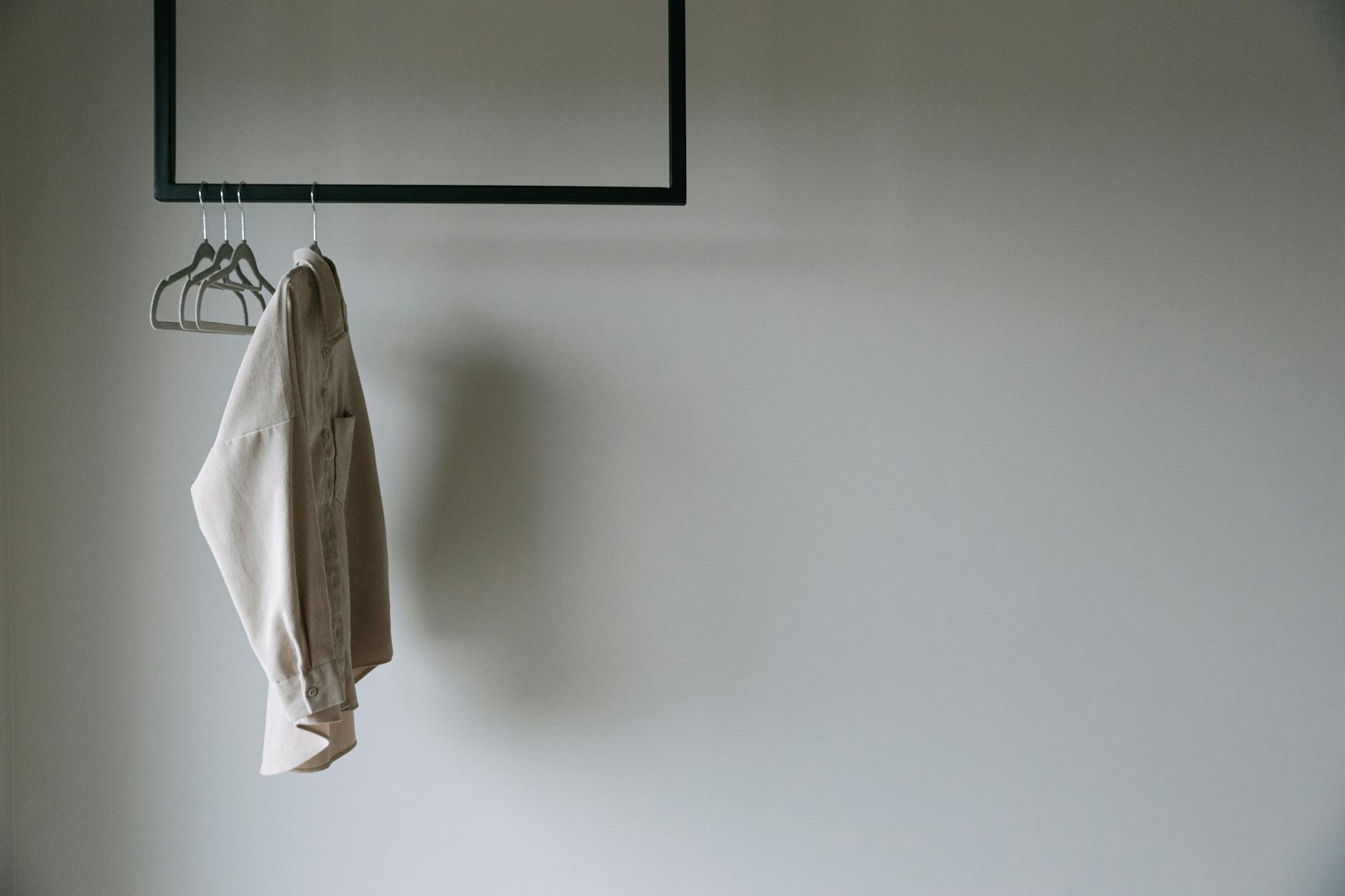
The Silhouette as Statement
Lucie and Luke Meier, who have led the house since 2017, have consistently resisted the temptation to inject trend-driven details into their collections. Their approach reads as almost confrontational in a market that rewards novelty and spectacle. The silhouettes they are producing now – long and lean or wide and grounded, with very little in between – feel like a direct rejection of the busy, layered aesthetic that competitors have been cycling through. There are no visible logos. There are no ironic embroideries. There is fabric, cut, and fit.
What makes the current collections particularly effective is how the proportions interact with the body. A coat that grazes the ankle and sits with perfect stillness creates a very different effect than a coat that does the same thing with oversized shoulders or a dramatic hem. Jil Sander’s version just exists. That restraint is harder to achieve than it looks, and the clothes carry a confidence that over-designed pieces rarely do.
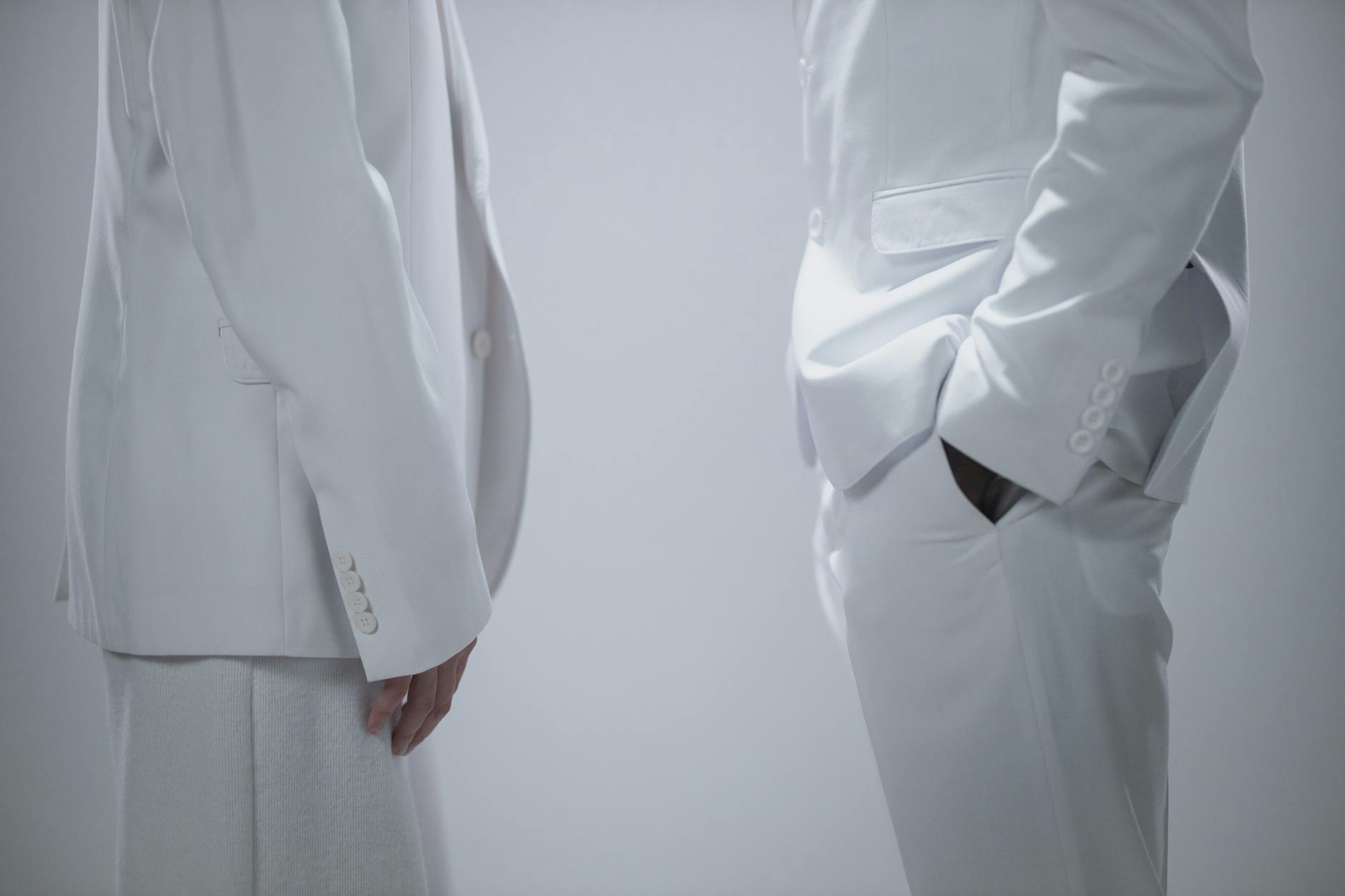
Why This Crowd Is Coming Back
The minimalist consumer was never fully gone – they simply had fewer new options that met their standards. During the peak of maximalism, the choices available to someone who wanted clean lines and neutral palettes were largely limited to basics brands or heritage houses that were not particularly exciting. Jil Sander, along with a small number of other labels prioritizing reduction over addition, is now filling that gap with something that feels genuinely considered rather than functional by default.
There is also a generational layer to this. Younger buyers who discovered fashion during an era of heavy logomania and branded everything are now at an age where they are curating rather than accumulating. The shift toward investment pieces – fewer items, worn longer, justified by quality rather than trend relevance – suits Jil Sander’s model perfectly. A blazer from the current collection will not look dated in three seasons. That is precisely the point.
Social media has played a role here too, though perhaps not in the way most brands expect. The quiet luxury aesthetic that circulated widely on platforms like TikTok and Pinterest actually primed a new generation of shoppers for exactly the kind of pared-back dressing Jil Sander has always practiced. The visual vocabulary – understated neutrals, immaculate tailoring, absence of branding – was suddenly everywhere. Jil Sander did not need to adapt because it was already there. This is also the territory where Gucci’s turn toward Roman minimalism has been making noise, suggesting the appetite for reduction is moving across multiple price points and house identities.
The pricing structure at Jil Sander sits firmly in luxury territory, which matters for how the brand is perceived by this returning crowd. It signals that the pared-back aesthetic is not a budget constraint dressed up as a philosophy – it is an active choice made at significant cost. For the consumer who wants that message attached to their wardrobe, no amount of visible hardware or pattern can communicate it the same way.
Fabric and Construction as the Real Story
Strip away the cuts and the color palette and what remains is material quality that justifies the price and the restraint. Jil Sander’s current collections use fabrics that have substantial weight and movement without being stiff – cashmere that drapes with authority, cotton poplin that holds a sleeve with architectural precision, wool that falls cleanly and does not buckle under wear. When there is nothing else in the garment to look at, the fabric becomes the entire visual experience.
Construction details that would be invisible on a more decorated garment are everything here. The way a seam sits, whether a collar lies flat under its own weight, how a trouser breaks at the shoe – these are the criteria by which minimalist dressing is actually judged. Jil Sander’s workmanship holds up to that level of scrutiny in a way that most brands do not even attempt, because most brands do not have to.
What the Market Is Reading From This
Buyers at multi-brand retailers have reportedly been increasing their Jil Sander allocations over recent seasons, responding to consistent sell-through on key tailoring pieces. The core customer for the brand is deepening their commitment rather than diversifying – buying multiple pieces from the same collection, building wardrobes around a single visual grammar rather than mixing across trends. That kind of loyalty is rare and tends to be durable.
The accessories are following the same logic. Jil Sander’s bags – boxy, handle-focused, built without visible branding – are finding placement with the same customer who might previously have gravitated toward Celine’s structured handbags for their architectural clarity. The overlap in consumer sensibility is real, and the competition for that wallet is intensifying.
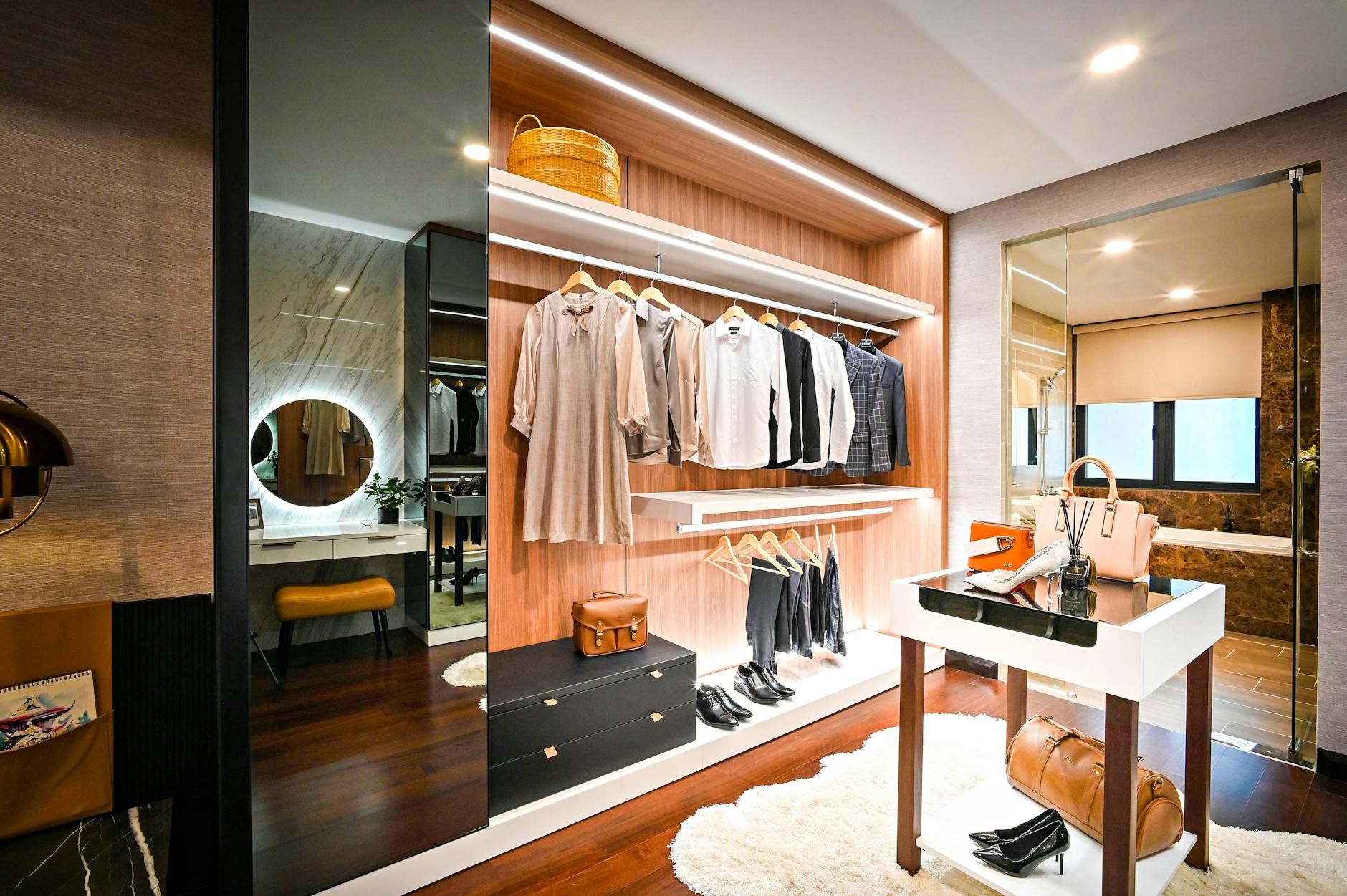
What is worth watching is whether Jil Sander can scale this renewed interest without compromising the extreme restraint that makes it appealing in the first place. The minimalist crowd is not a forgiving audience. The moment a collection introduces one too many trend references or a collaboration that reads as an attempt at relevance, the trust dissolves. The brand has managed to avoid that trap so far – but the pressure that comes with growing commercial attention rarely stays quiet for long.
Frequently Asked Questions
What makes Jil Sander’s aesthetic different from other minimalist brands?
Jil Sander prioritizes architectural proportion and material quality over any visible branding or decorative detail, making fabric and cut the entire visual statement.
Who are the current creative directors at Jil Sander?
Lucie and Luke Meier have led the house since 2017, maintaining its commitment to restraint and precise tailoring throughout their tenure.