


The Bag That Slipped In Without Announcement
Bottega Veneta has never needed to shout. The house built its identity on the absence of logos, on craft so precise it made branding feel crude. That same logic now applies to its Sardine bag – a structured, almost architectural clutch that has been appearing steadily on the arms of editors, stylists, and off-duty creatives without a single major campaign push. No billboard. No paid placement. Just the bag, showing up everywhere at once.
The Sardine is compact, rigid, and slightly elongated, with a curved silhouette that references its namesake’s shape. It arrives in Bottega’s signature intrecciato weave, in leather so buttery it reads more like fabric than hide. But what makes it interesting is not the material – it is the format. The Sardine is not a crossbody. It is not a tote. It occupies a category that most contemporary bag design had quietly abandoned: the evening-adjacent clutch that still functions in daylight.

Why the Crossbody Is Losing Ground
The crossbody had a good decade. Hands-free dressing made sense when the aesthetic priority was utility – when fashion was borrowing heavily from workwear, from outdoor gear, from the general visual language of being somewhere important and busy. A strap across the body read as purposeful. It said: I have places to be and I cannot be slowed down by a bag.
That energy is shifting. The dominant mood in luxury dressing right now leans quieter, more deliberate – away from the performative busy-ness of the crossbody and toward something that requires a choice about when and how you carry it. A bag that demands to be held signals presence rather than perpetual motion. The Sardine fits that register precisely because it offers no strap option. You commit to carrying it, or you do not.
It is not the first strapless design to resurface in this cycle. Small box bags and minaudieres have been creeping back through the collections for several seasons. But most of those leaned either too formal or too novelty, landing either at the gala end of the spectrum or in the territory of the conversation piece. The Sardine avoids both extremes. It is structured enough to feel considered, but the intrecciato weave keeps it grounded – tactile, slightly worn-in even when new, more wardrobe staple than showpiece.
The Quiet Luxury Effect
Bottega Veneta is arguably the house most responsible for shaping the visual language of quiet luxury as a coherent aesthetic, rather than just an absence of logos. Under creative director Matthieu Blazy, that language has grown more specific – focused on the pleasure of material, on the way clothing and accessories feel in contact with the body, on restraint that is active rather than passive. The Sardine fits that framework completely.
What separates it from similar exercises in understated luxury is that the restraint is structural, not just surface. Many bags arrive unbranded but still rely on recognizable silhouettes – the bucket, the hobo, the saddle. The Sardine does not borrow from an established archive. Its shape is specific enough to be ownable without becoming a logo by another name.
How It Is Actually Being Styled
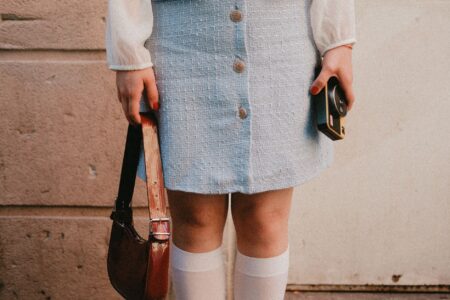
The Sardine has been appearing most consistently with looks that would previously have defaulted to a crossbody or a small tote – tailored separates, fluid trousers, mid-length dresses in muted tones. The carrying style tends toward tucked under the arm or held loosely at the side, which shifts the overall silhouette in an interesting way. It adds weight and intention to an outfit without competing with it.
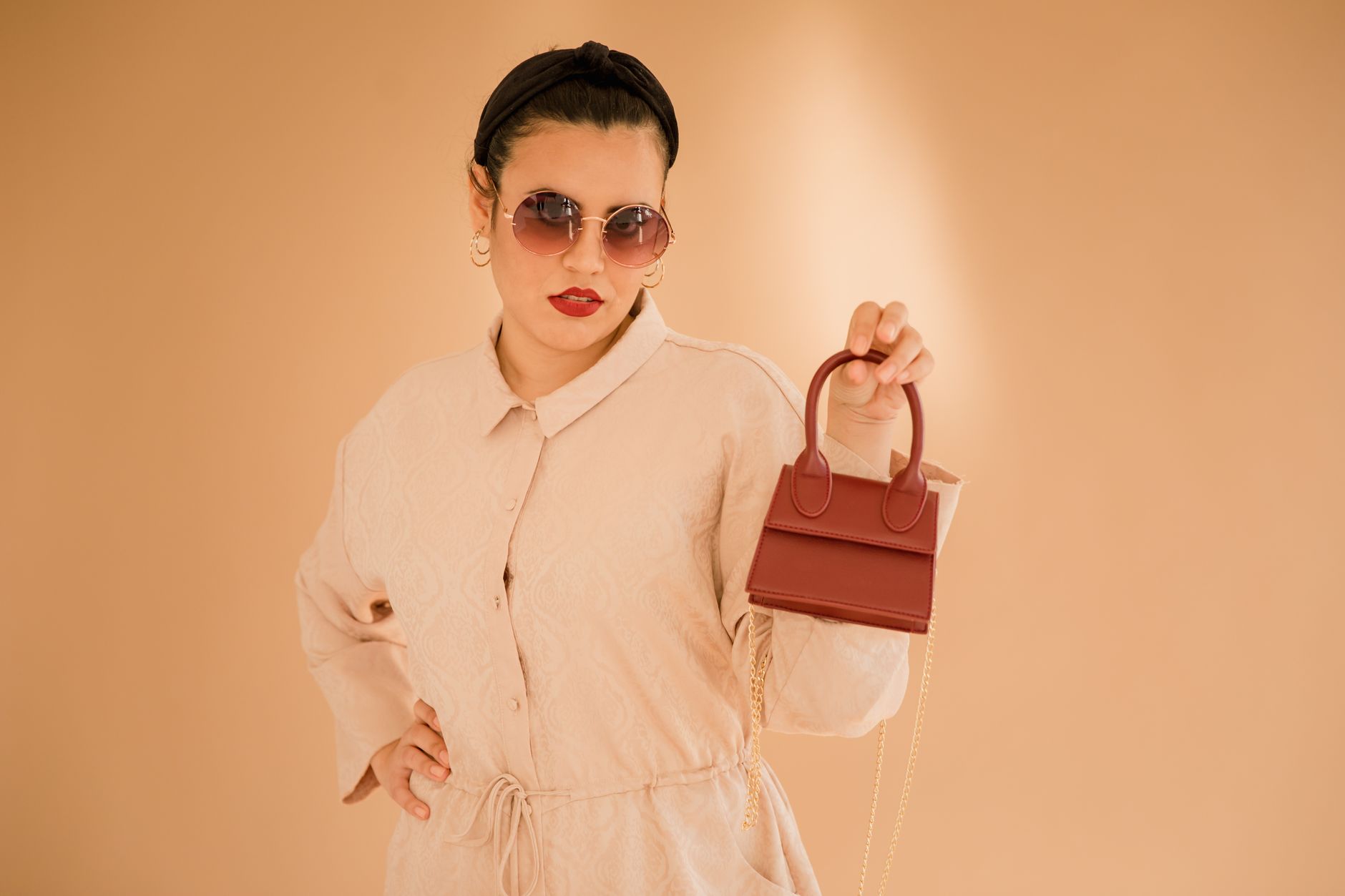
Color choices matter here more than with a strapped bag. Because the Sardine is held rather than worn, it reads almost like jewelry – a specific, visible point in the look. The versions gaining the most traction are in Bottega’s muted spectrum: putty, clay, deep green, black. Bright colorways exist and sell, but the bag’s momentum is concentrated in the shades that disappear slightly into an outfit rather than announcing themselves.
For anyone already investing in accessories that reward longevity over trend cycles – a well-made padded loafer, a quality leather belt – the Sardine fits the same logic. It is not a bag you buy for a season. The intrecciato construction is notoriously durable, and a fixed silhouette without hardware-heavy details means there is little to date it.

The real question the Sardine raises is whether the return of the clutch format has any staying power, or whether it is simply the current counter-swing in a pendulum that will push back toward utility in two seasons. What gives the Sardine a stronger claim than most trend-driven revivals is that it is not being positioned as a revival at all. Bottega never said: clutches are back. The bag simply arrived, and people started carrying it, and now it is everywhere – which is exactly how the house prefers to work. Whether that organic momentum holds once the market floods with interpretations at every price point is the more honest tension worth watching.