
The Shift Nobody Announced
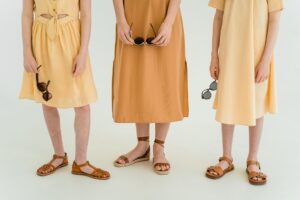
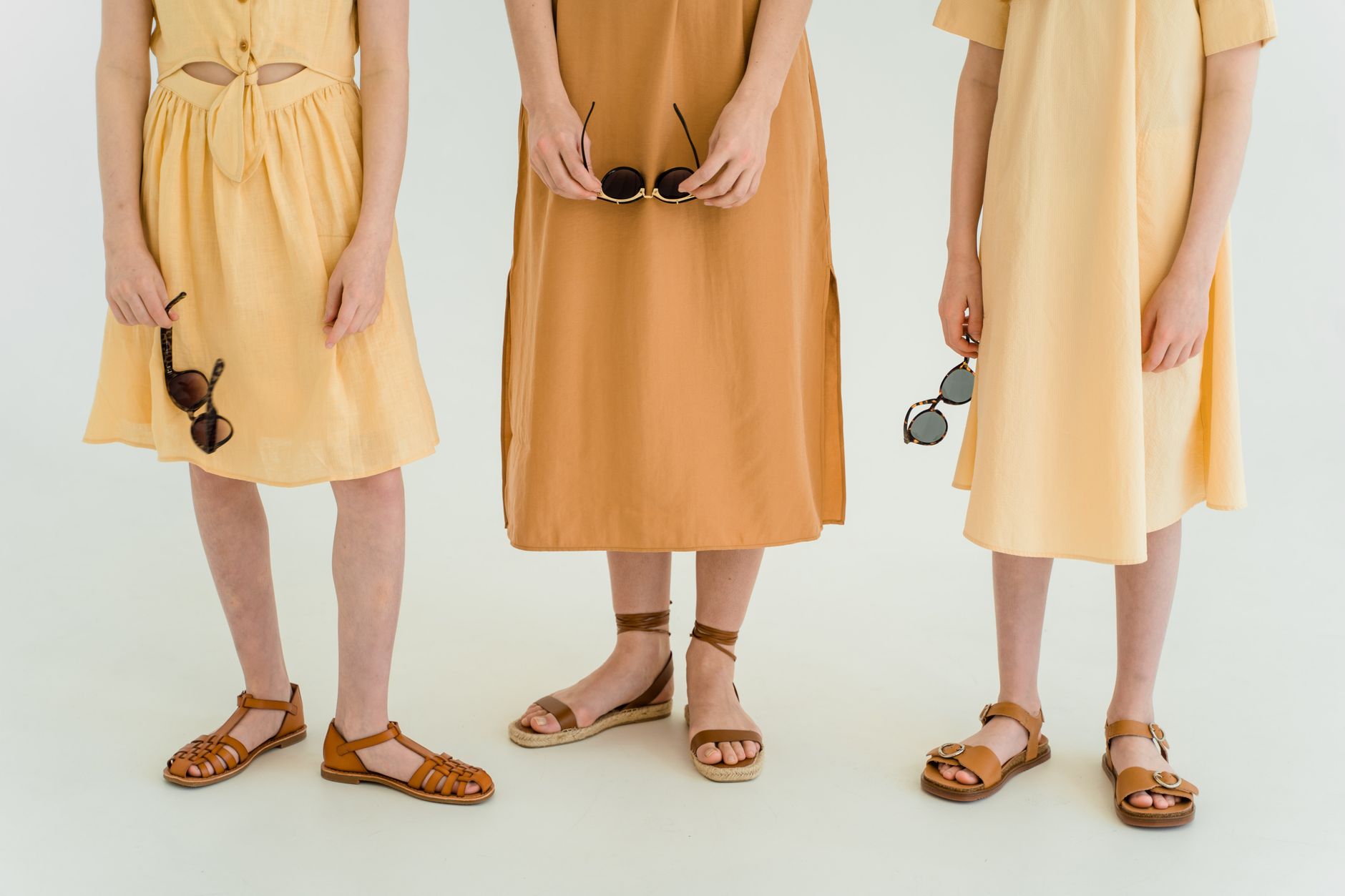
Something is happening on sidewalks, runway recap posts, and street style galleries that deserves more attention than it has received. The ankle-strap sandal – that reliable warm-weather staple with its delicate buckle and leg-elongating logic – is losing ground. The shoe quietly taking its place is the wrap flat: a minimalist silhouette with long fabric or leather ties that wind around the ankle and lower calf, closer in spirit to a ballet flat than a strappy evening sandal.
The swap feels minor until you look closely. The ankle-strap sandal operates on a specific visual grammar – it cinches the ankle at one fixed point, drawing a horizontal line across the foot. The wrap flat rejects that geometry entirely. It moves upward, spiraling rather than strapping, and lands somewhere between dancer and Roman goddess. That distinction is not just aesthetic. It signals a change in what women want their shoes to do this season.
Why the Ankle Strap Started to Feel Dated
The ankle-strap sandal had a long run. From kitten-heel versions that defined the early 2010s to chunky-soled iterations that took over fast fashion racks through the mid-2020s, the silhouette proved adaptable. Brands returned to it season after season because it read as dressed-up without requiring a heel, and it photographed well against both cobblestones and marble floors. For more than a decade, it was the default answer to “what shoe works with a midi skirt.”
The problem with default answers is that they eventually stop feeling like choices. The ankle strap became so associated with a certain kind of put-together femininity – the brunch outfit, the garden party, the office-to-dinner formula – that wearing one stopped communicating anything at all. Fashion has a low tolerance for visual silence. When a shoe no longer says something, a replacement is already on its way.
The wrap flat arrived carrying a different vocabulary. Its reference points are older and more culturally layered: ancient sandal traditions, 1970s bohemian silhouettes, ballet rehearsal rooms, and the kind of effortless European dressing that social media has spent years mythologizing. It does not look like it came from a trend cycle. That is precisely its appeal.
How the Silhouette Works
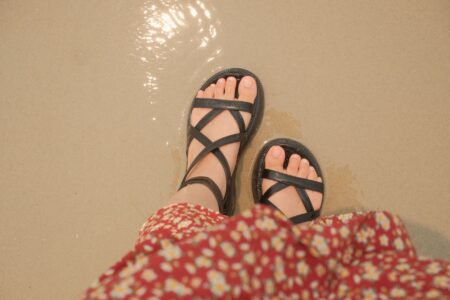
The construction varies by interpretation, but the logic is consistent. A thin, flexible sole – often leather, sometimes woven material – sits beneath the foot, and long ties extend from the toe or instep, crossing and wrapping upward before being knotted or tied at the ankle or mid-calf. Some versions are barely there, little more than a sole and two ribbons. Others incorporate a toe ring or a structured front panel. The range allows the silhouette to move across dress codes in ways the ankle strap never quite managed.
Worn with wide-leg trousers, a wrap flat grounds the outfit without interrupting the line of the leg the way a strappy sandal does. Worn with a floaty dress, it adds intention without formality. The tie detail also allows for customization – worn high on the calf versus at the ankle creates distinctly different effects from the same shoe. That flexibility is not a minor selling point.
The Street Style Evidence
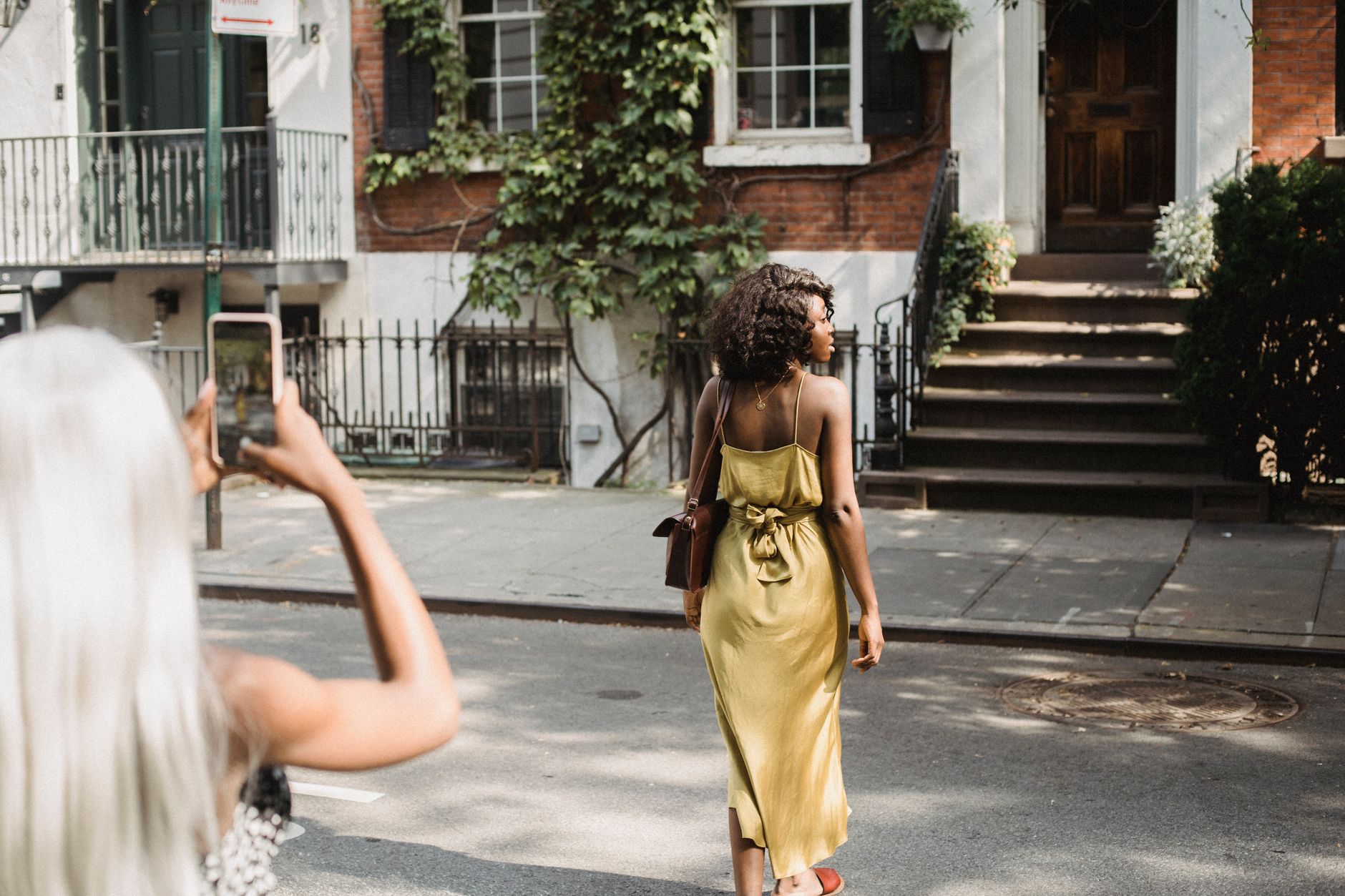
Street style documentation from recent fashion weeks shows the wrap flat appearing consistently across cities and across very different personal styles. It shows up on people in tailored linen suits as readily as on people in vintage slip dresses. That cross-context visibility is how a shoe moves from niche to dominant – not through a single dramatic moment but through accumulated appearances across enough different looks that it starts to feel inevitable.
The ankle-strap sandal is not disappearing from stores. It will continue to sell, and some versions – particularly those with interesting hardware or architectural heels – will remain relevant in specific contexts. But the flat version, the standard kitten-heel version, the strappy-evening version: those are all slightly harder to justify when the wrap flat exists as an alternative that covers the same occasions with more visual interest and considerably more range.
Part of what makes the wrap flat’s rise feel substantive rather than seasonal is where it’s landing in wardrobes. It is not replacing the ankle strap only on the runway or only in fashion-forward circles. Shoppers who wouldn’t describe themselves as trend-conscious are buying wrap flats because they look good, feel comfortable, and require almost no styling thought. When a shoe works for both the fashion-obsessed and the fashion-indifferent, it tends to stick around longer than a typical trend cycle would predict.
The raffia flat’s move against the leather sandal followed a similar pattern – a challenger silhouette wins not by being louder but by being more useful across more situations. The wrap flat is playing the same game, and right now, it is winning it. The real question is whether the ankle-strap sandal has enough cultural momentum left to fight back, or whether this season marks the point where it quietly slides into the category of “options” rather than “answers.”