

The Shoe That Wore Ballet Flats to the Ground
The ballet flat had its moment – a long one. From the mid-2000s revival to its quiet dominance of the “quiet luxury” wave, it became the default choice for women who wanted something polished but not punishing. Minimal, close to the ground, endlessly versatile. And now, almost imperceptibly, something is replacing it – not with drama or fanfare, but through sheer accumulation of street style sightings, runways, and shopping cart data.
The Venetian loafer is moving in.
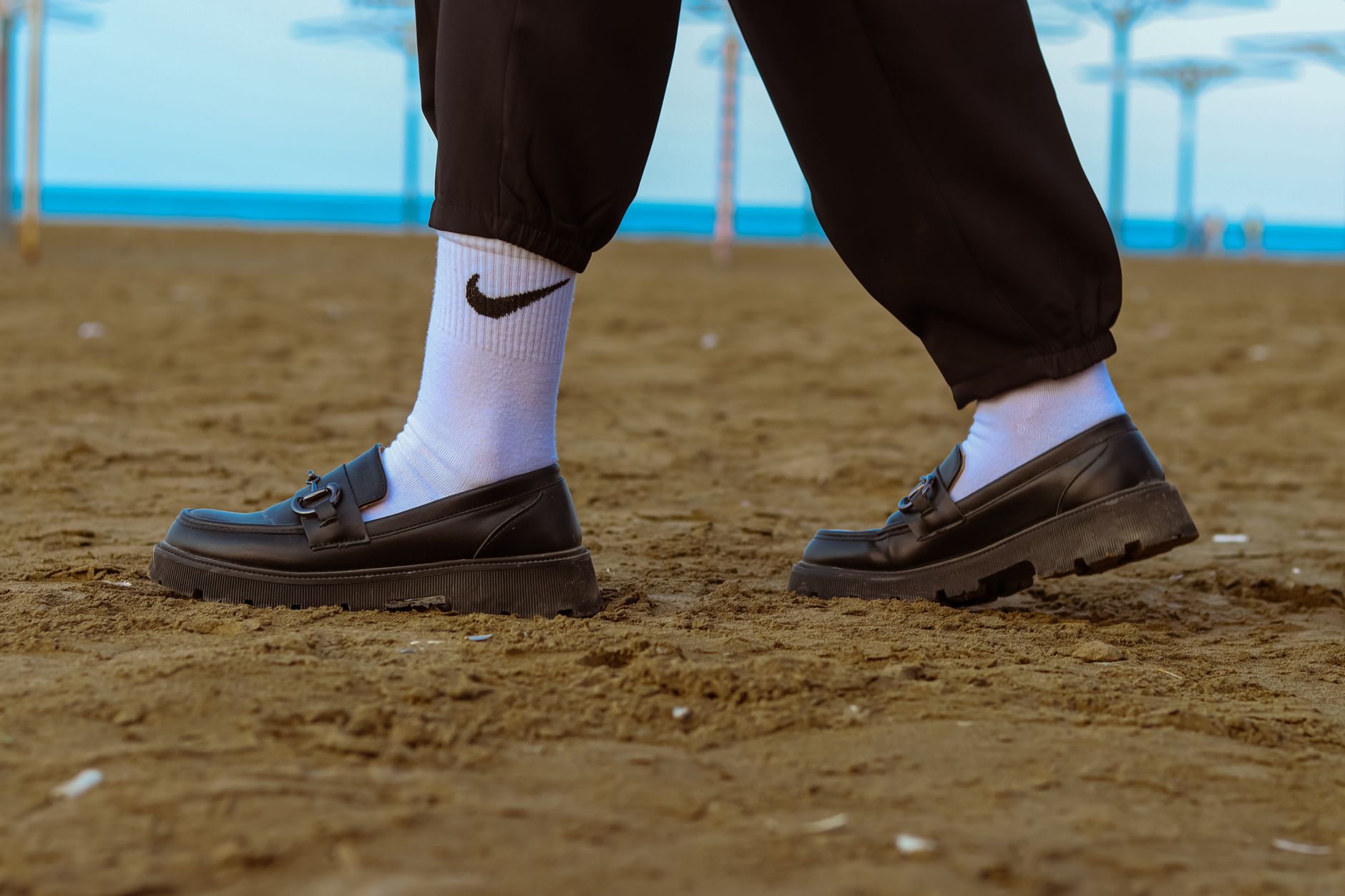
Unlike the chunky-soled loafer that dominated a few seasons back, the Venetian style is softer in construction – no hardware, no tassel, no structured toe box. It sits low to the ground, which is exactly why it appeals to the same woman who loved the ballet flat. But it gives her something the ballet flat never could: a shoe that reads as intentional rather than understated. The Venetian loafer doesn’t whisper. It just doesn’t shout either.
What Makes the Venetian Different
The defining detail is the absence of ornamentation. A Venetian loafer is characterized by its apron toe, slip-on structure, and a silhouette that lies almost flush with the foot. That closeness to the foot is the aesthetic link to the ballet flat – both elongate the leg, both read as clean rather than fussy. But where a ballet flat often disappears into an outfit, functioning almost like a punctuation mark, the Venetian loafer is a full sentence. The slight structure of the shoe – the way it holds its shape around the toe and heel – gives it a presence the ballet flat lacks.
Leather is the material doing most of the heavy lifting here. Whether it’s a matte nappa or a subtly buffed calfskin, the leather on a Venetian loafer tends to look rich in a way that most ballet flat materials don’t. Ballet flats have historically struggled with this – they’re often made in fabrics or lightweight leathers that scuff and crease within weeks of wear. The Venetian’s more substantial construction means it holds up better and, critically, looks more expensive on the foot than it sometimes actually is.
The fit is also different in a way that matters more than it sounds. Ballet flats are notorious for slipping at the heel, bunching fabric, or simply not staying on the foot during normal walking. The Venetian loafer, even in a very minimal construction, cups the foot more securely. For women who have quietly grown tired of losing a shoe mid-stride on cobblestones, that alone is worth switching allegiances.

Where the Trend Is Showing Up
Runway appearances across multiple European houses this past season leaned toward the Venetian silhouette with noticeable consistency. Styled with everything from wide-leg trousers – a category that has its own ongoing fashion moment – to midi skirts and tailored shorts, the shoe appeared in a range of colorways that skewed toward tobacco, cognac, and deep burgundy rather than the classic black or nude that anchored ballet flat culture. That color shift is significant. It signals that the Venetian isn’t trying to be invisible. It wants to register, even slightly.
Street style photographers at fashion weeks in Paris and Milan have documented the shift without necessarily naming it. Look at the foot-level shots from the past two seasons and a pattern becomes obvious: the pointed toe of the ballet flat is disappearing, replaced by that softer, rounder Venetian apron. The women wearing them are often pairing the shoe with slouchy tailoring – unbelted trench coats, wide pleated pants, oversized blazers. The effect is relaxed precision, a combination that the ballet flat could approximate but never quite nail.
Even at the more accessible end of the market, major retailers have adjusted their buying. Ballet flats haven’t vanished from the floor – they probably won’t for a while – but the Venetian styles are appearing in more prominent positions, offered in more colorways, and restocking faster. The fashion industry doesn’t always telegraph what it’s doing, but inventory patterns don’t lie.
Why Now
There’s a broader appetite right now for pieces that feel considered without feeling stiff. The rigid minimalism of earlier this decade – the kind that relied heavily on perfect basics and very little personality – is softening. Women are still buying clean, simple things, but they want those things to have a slightly more individual quality. The ballet flat, at its worst, became a non-choice: the shoe you grabbed because it was easy. The Venetian loafer requires a small amount of intentionality. You have to want to wear it.
The comfort angle shouldn’t be dismissed either. Ballet flats, for all their visual simplicity, are frequently uncomfortable on hard floors and unforgiving on feet with any arch. The Venetian loafer’s slightly more structured sole and fuller upper means it distributes pressure differently. It isn’t a walking shoe by any stretch, but it’s a more livable option for a full day in an office, a gallery, or a restaurant that requires standing.
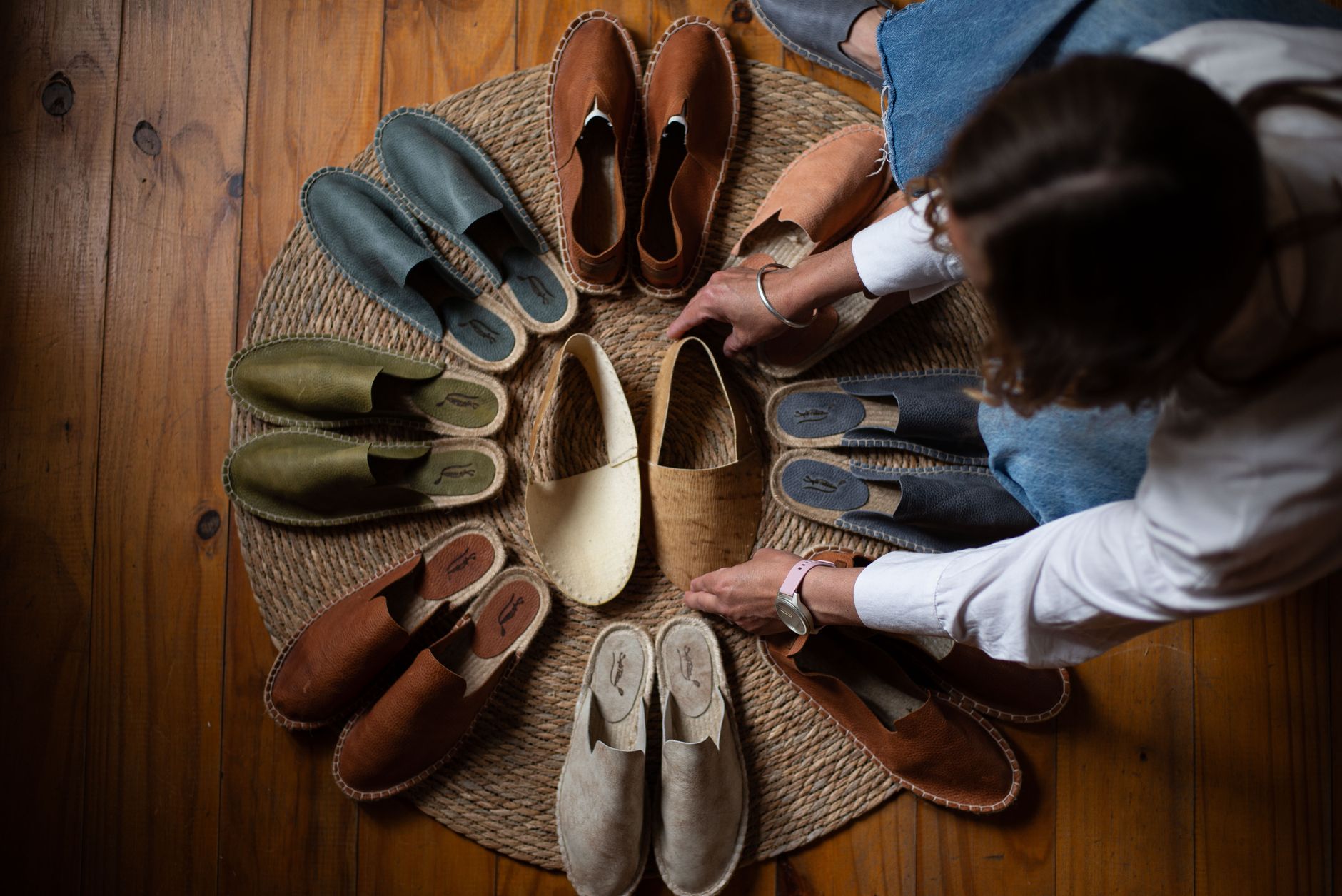
What the Venetian loafer has on its side is timing. It arrived at exactly the moment when women who built their wardrobes around ballet flats are ready to evolve without abandoning the logic of what they liked. Same flatness, same ease of getting dressed, same versatility across casual and formal contexts – but a slightly sharper, more deliberate result. And unlike trends that require a total wardrobe overhaul to make sense, the Venetian loafer slots into what most minimally-dressed women already own. That frictionlessness is exactly why it’s winning, and why the ballet flat may spend the next few seasons looking suddenly, quietly dated on the feet of anyone still reaching for it out of habit.
Frequently Asked Questions
What is a Venetian loafer?
A Venetian loafer is a slip-on shoe with an apron toe, no hardware or tassel, and a low, close-to-the-foot silhouette. It’s minimal in design but more structured than a ballet flat.
How is the Venetian loafer different from a regular loafer?
Unlike penny or tassel loafers, the Venetian style has no decorative hardware. Its defining features are a clean apron toe, soft leather construction, and a streamlined, almost flat profile.