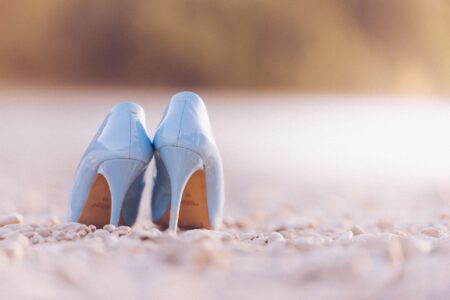

The strappy sandal has ruled warm-weather dressing for years – thin leather vamps, barely-there ankle ties, heels that photograph well and walk poorly. But something quieter has been gaining ground in the shoe market, and it doesn’t announce itself with hardware or buckle count. Valentino’s kitten mule, low-heeled and slip-on, is showing up on the kind of women who previously would not have considered anything without a strap.
The shift isn’t dramatic. Nobody declared strappy sandals over. But scroll through recent street style coverage from Milan, Paris, or any coastal city in the right light, and the silhouette that keeps appearing is closed-toe, sculpted at the heel, and worn with the ease of a shoe that requires no adjustment mid-walk. The kitten mule is not trying to dethrone anything. It simply looks like it already has.
What Makes a Kitten Mule Work Now
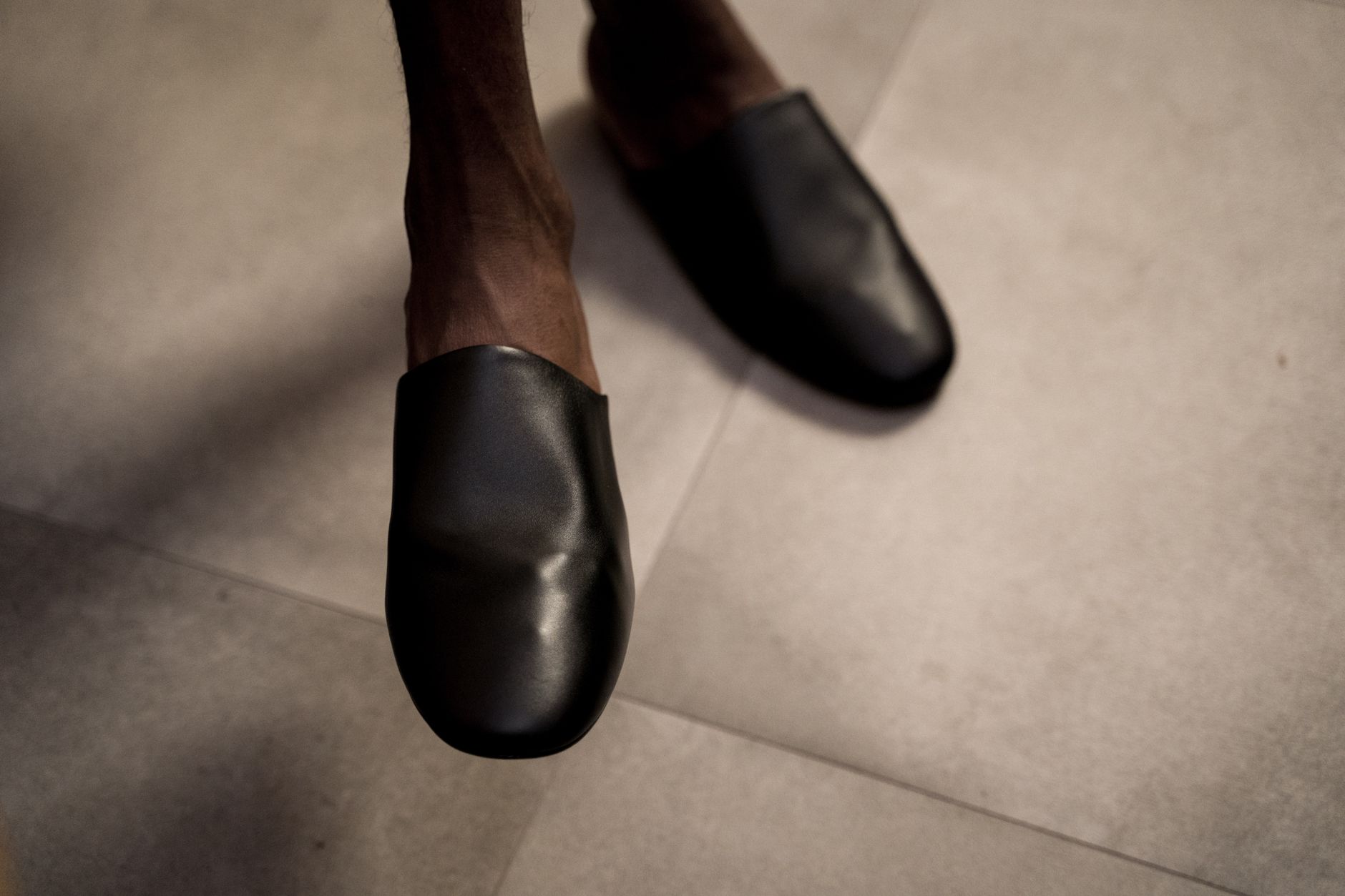
The kitten heel occupies a specific height range – roughly 1.5 to 2 inches – that sits below the drama of a stiletto but above the flatness of a ballet flat. For a long stretch, that range was considered neither here nor there: too modest for evening, too elevated for casual wear. What changed is the appetite for shoes that don’t require a commitment. The kitten mule collapsed those categories by pairing a practical heel height with an open back that reads as effortless rather than unfinished.
Valentino’s version leans into material and proportion rather than embellishment. The toe box is structured, the heel slender but stable, and the overall line is long enough to elongate the foot without the architectural extremity of a pointed stiletto. It works because it looks intentional without looking labored. That is a harder balance to strike than it sounds.
The slip-on construction is doing serious work here. Strappy sandals, at their most elaborate, involve a minor engineering project every morning: buckles, ankle wraps, toe loops that need to be threaded correctly. The mule eliminates all of that. You put it on. The trade-off – a shoe that can slide slightly with the wrong sock or bare foot – is one most women wearing it seem willing to accept, because the alternative is ten more minutes getting dressed.
The Strappy Sandal’s Position
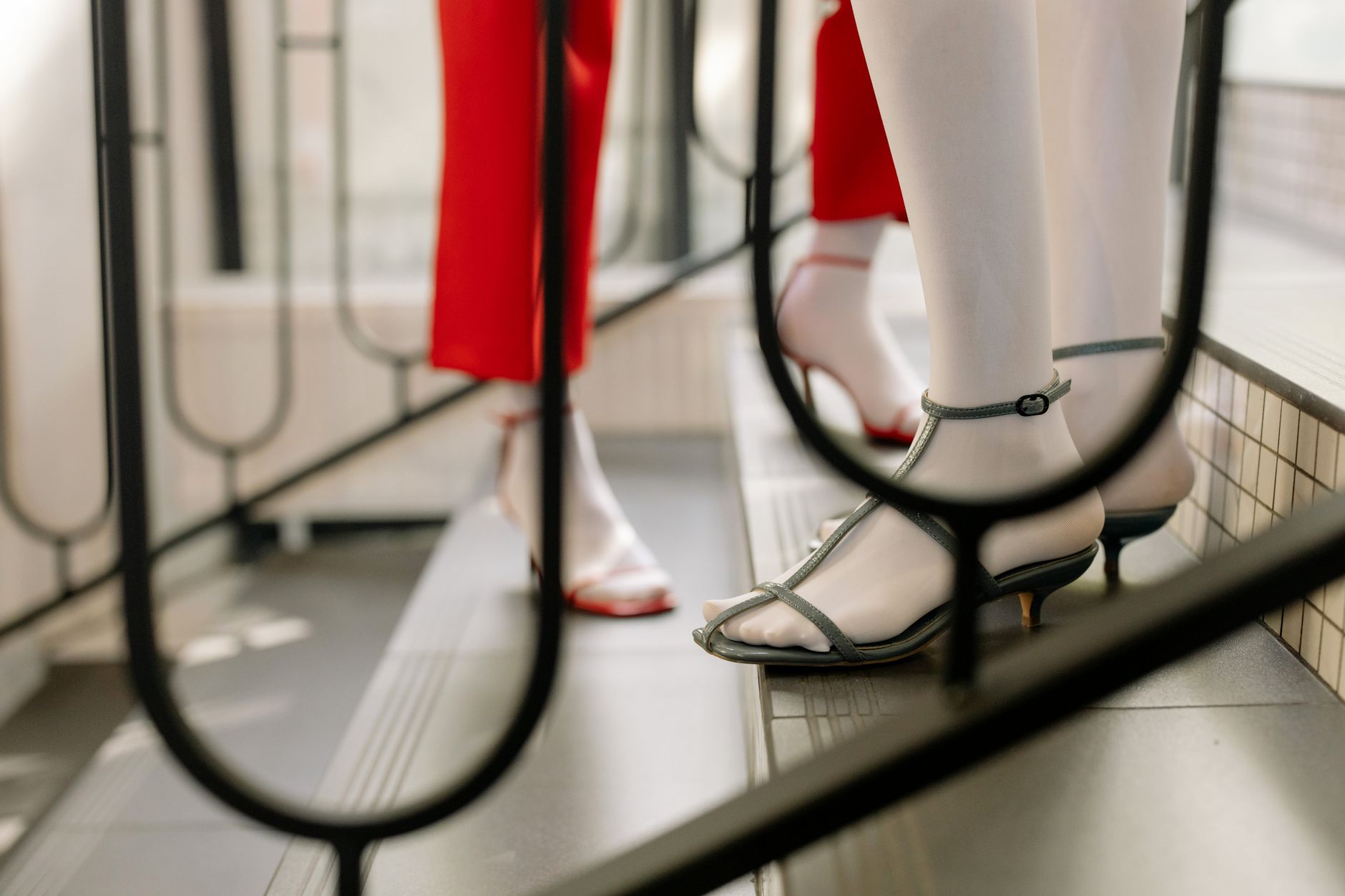
None of this means the strappy sandal is disappearing. Warm weather still calls for something open, and the strappy sandal does things a mule structurally cannot – breathability, a certain kind of dressed-up bare-leg look that reads summery in a way closed-toe shoes don’t replicate. The two styles serve overlapping but distinct purposes, and wardrobe reality means most women own both. The question isn’t which one survives. It’s which one is becoming the default reach for a growing number of occasions.
The answer, increasingly, is the mule. Not because strappy sandals have gotten worse, but because the mule has solved a problem that strappy sandals created: versatility across dress codes. A kitten mule moves from office to dinner to weekend errands in a way a heavily strapped sandal often doesn’t.
How Valentino Positioned This Particular Shoe
Valentino has a long history with shoes that become reference points. The Rockstud, introduced over a decade ago, turned hardware into shorthand for a particular kind of polished edge. The kitten mule represents something different from the brand – a quieter proposal, one that relies on cut and material rather than decoration. That restraint is part of what’s made it travel so widely across different style identities.
The shoe appears in satin, in leather, in suede, and in colorways that range from neutral enough to disappear under any outfit to bold enough to anchor one. That range of options has let the mule function the way a truly successful wardrobe piece does: different women buying different versions, each feeling like the shoe was designed specifically for their needs. A growing number of luxury brands have noticed this and are releasing their own interpretations, but Valentino’s proportions remain the ones being referenced.
What’s particularly worth watching is how the kitten mule is being styled. It’s appearing with wide-leg trousers in a way strappy sandals rarely do – the closed toe creates a cleaner line at the hem. It’s being worn with midi skirts, with tailored shorts, with the kind of relaxed suiting that has defined recent seasons. The same quiet displacement dynamic that has let understated accessories reclaim space from louder alternatives is operating here. The mule benefits from not trying too hard.
There is also a generational dimension to this. Women who came of age during the platform and wedge era of the mid-2000s, and then lived through the block-heel boom, are now in their thirties and forties and increasingly drawn to shoes that express taste through restraint rather than height or hardware. The kitten mule speaks to that instinct. It looks expensive without explaining why to anyone who doesn’t already know. And that gap – between what the shoe signals to those who recognize it and how invisible it is to those who don’t – is exactly where certain luxury items find their most durable appeal.