


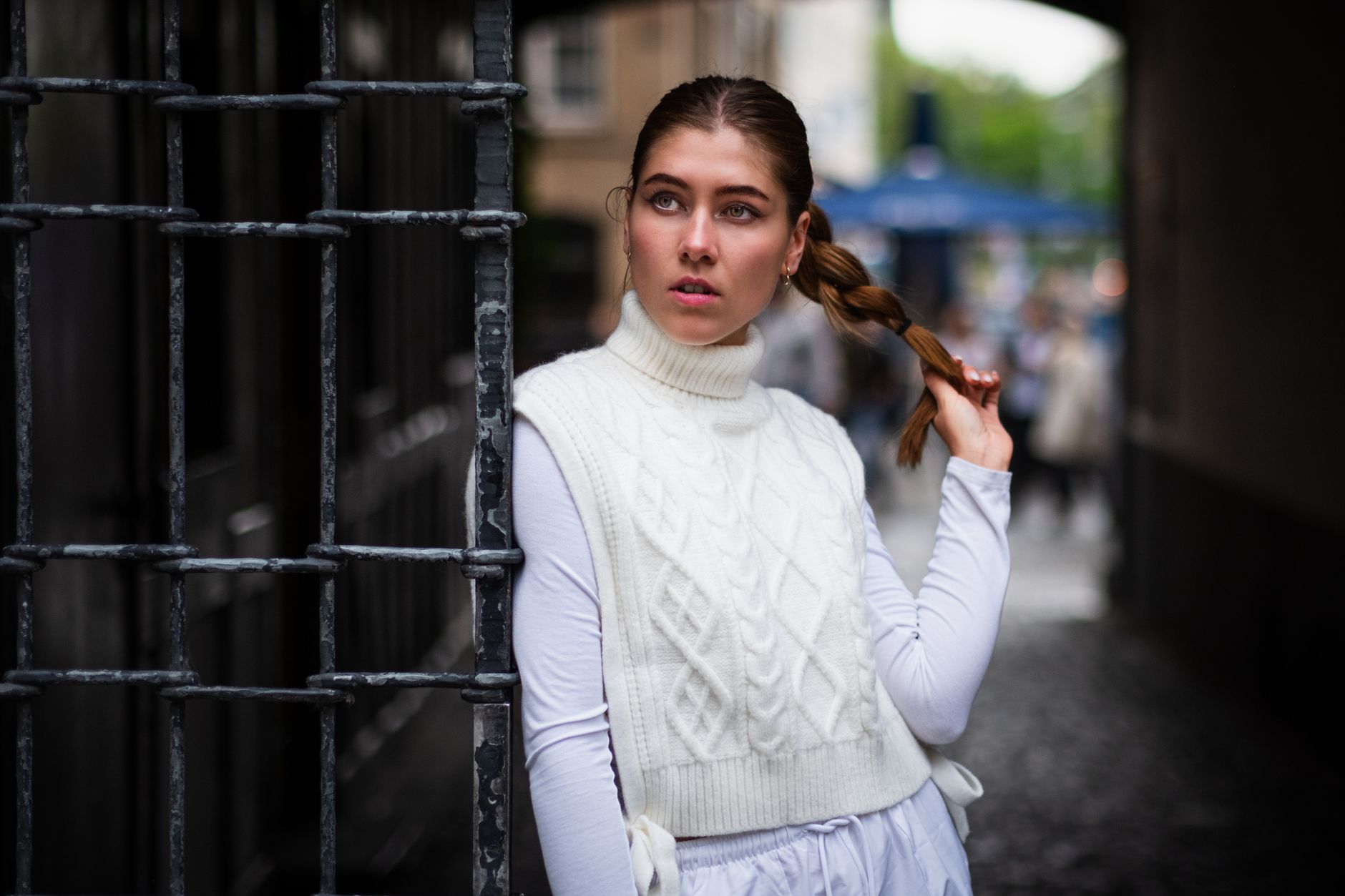
The fitted turtleneck had a long run as the default layering piece for anyone trying to look put-together without much effort. It telegraphed a certain kind of intelligence – bookish, architectural, quietly serious. But something has been shifting on the racks, in street style photography, and in the way women are actually getting dressed in the morning. The ribbed knit vest is moving in, and it’s doing so without any particular fanfare.
This isn’t a single-season blip or a runway moment that faded before it reached actual wardrobes. Ribbed knit vests have been building steadily, appearing across fast fashion and luxury alike, styled over collared shirts, under blazers, and on their own with wide-leg trousers. The turtleneck isn’t disappearing – but it’s losing its grip as the default choice for that particular dressing slot: the layer that’s interesting enough to carry an outfit but neutral enough to work with almost anything.
Why the Turtleneck Is Losing Ground
The fitted turtleneck works best in a specific set of conditions – cooler weather, a certain body proportion, and an outfit that doesn’t require much else happening at the neck. It also commits you to a silhouette. Once you’re in a turtleneck, the outfit is built around it. That can be a strength, but it’s also a limitation, and a growing number of dressers are finding the vest gives them more to work with.
There’s also the practicality question. A turtleneck is a top, which means it lives and dies by what it’s paired with below. The ribbed knit vest functions more like an accessory that happens to cover your torso – it can go over a button-down, a long-sleeve tee, or a crisp dress shirt, which multiplies how many different outfits it actually creates. That flexibility is hard to overstate when you’re looking at a wardrobe as a system rather than a collection of individual pieces.
The Texture Argument
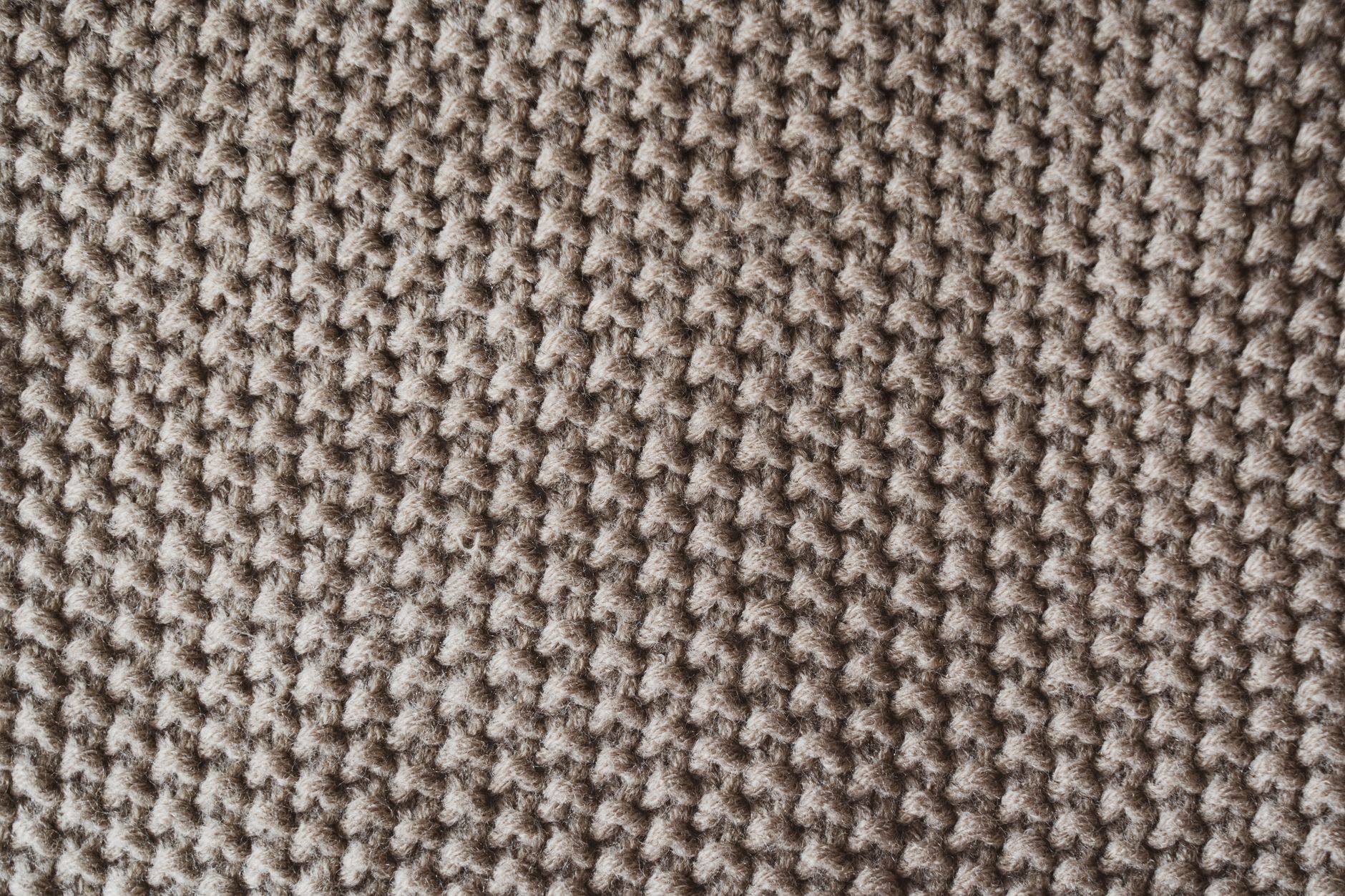
Ribbing is doing a lot of work in fashion right now. The texture reads as considered without being decorative – it’s not a print, not a pattern, not an embellishment, but it gives the eye something to land on. A smooth fitted turtleneck in the same colorway would disappear; the ribbed knit vest holds its own in an outfit, which means you need fewer other elements to make the look feel complete.
This matters because the prevailing aesthetic in serious fashion circles right now rewards restraint. Not minimalism exactly – more like precision. Fewer pieces, more intentional. A ribbed vest in oatmeal or charcoal or deep forest green carries enough visual weight to function as the focal point of an outfit without requiring jewelry, a statement bag, or a complicated shoe to finish the look. It does the work quietly.
The knit construction also gives it a softness that the turtleneck – particularly in its sleeker, more architectural iterations – can lack. There’s something inherently approachable about a vest in chunky or medium-weight rib. It reads as warm in a literal and figurative sense, which aligns with the broader direction fashion has been moving: away from severity, toward something that still looks deliberate but feels genuinely comfortable to be in all day.
Colorways are also working in the vest’s favor. Because the ribbed texture provides built-in visual interest, designers are leaning into the neutrals – camel, ivory, slate, muted olive – rather than using the vest as a vehicle for bold color. That makes it easier to integrate into an existing wardrobe without purchasing anything else around it.
How It’s Actually Being Worn
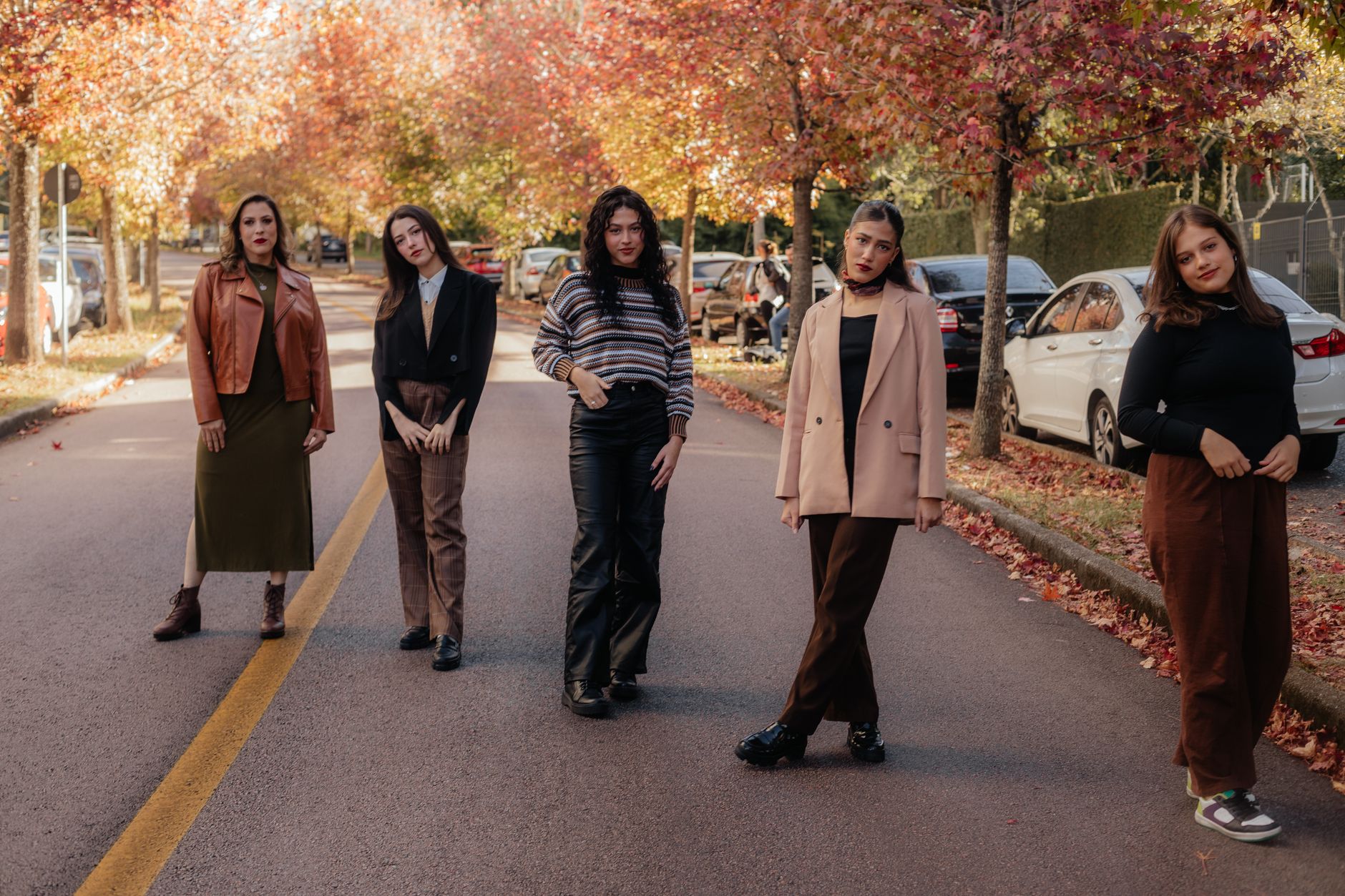
The most common combination right now puts the ribbed knit vest over a collared button-down, with the collar and cuffs visible. It’s a layering move borrowed loosely from prep, but the ribbed texture updates it enough that it reads more contemporary than nostalgic. The vest grounds the look while the shirt adds structure underneath – a combination the turtleneck can’t replicate, because a turtleneck worn under a vest eliminates the collar detail that makes the layering interesting in the first place.
The other pairing gaining traction is the vest with wide-leg tailored trousers and no additional layering – just the vest on its own, treated as a top rather than a layer. This works because the ribbed structure gives it enough presence to stand alone, and the sleeveless silhouette balances the volume of the trousers without adding bulk at the shoulders. It’s a proportion game the turtleneck doesn’t play as well, because the neck coverage shifts the visual weight upward in a way that can fight against wide-leg bottoms rather than complement them.
Where the Turtleneck Still Wins
None of this means the turtleneck is finished. In genuinely cold weather, it still has a functional edge that a vest without sleeves can’t match. And the turtleneck’s ability to create a single unbroken line from chin to waist gives it a kind of elegance in monochromatic dressing that the vest – which always has something else going on beneath or around it – can’t quite replicate. For anyone who dresses in a very clean, austere mode, the turtleneck remains the sharper tool.
The turtleneck also holds its ground in suiting, where the vest’s more casual knit texture can read as slightly underdressed against a structured blazer. Certain fabrics – finely knit silk-blend turtlenecks, thin cashmere – carry a formality that ribbed knitwear doesn’t attempt. So the category split is less about one piece replacing another and more about the ribbed knit vest claiming territory that the turtleneck once occupied by default, simply because there wasn’t anything better positioned to take it.
The styling possibilities also keep widening as more brands put genuine design thought into the category. Vests with interesting hem lengths – cropped, or dropping to the hip – change the proportion options available. Mock necklines on vests blur the line between the two pieces even further. And the sheer variety of rib weights now available, from almost delicate to overtly chunky, means the vest can dress up or down in ways that a turtleneck, locked into its silhouette, simply can’t.
What the ribbed knit vest has that the turtleneck never quite managed is genuine versatility across seasons. Layer it heavily in winter, wear it over a thin long-sleeve in fall or early spring, put it over a dress in transitional weather. The turtleneck belongs to cold months. The vest is useful for roughly nine months of the year, and that’s an argument that’s hard to argue against when you’re trying to make a wardrobe work harder with fewer pieces.
The real question isn’t whether the vest will hold its position – it’s whether designers will keep it interesting or sand off the edges until it becomes as generic as the turtleneck at its most default. Right now, the best versions have a specificity in their ribbing, their proportions, their finishing that makes them feel considered rather than ubiquitous. That specificity is what’s driving the preference, and it’s also exactly what’s most at risk once every brand starts producing the same oatmeal vest in the same medium rib at the same price point.