

The Shoe Swap Nobody Saw Coming
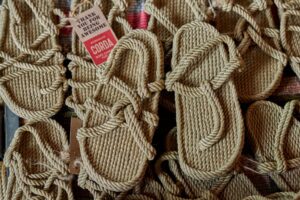
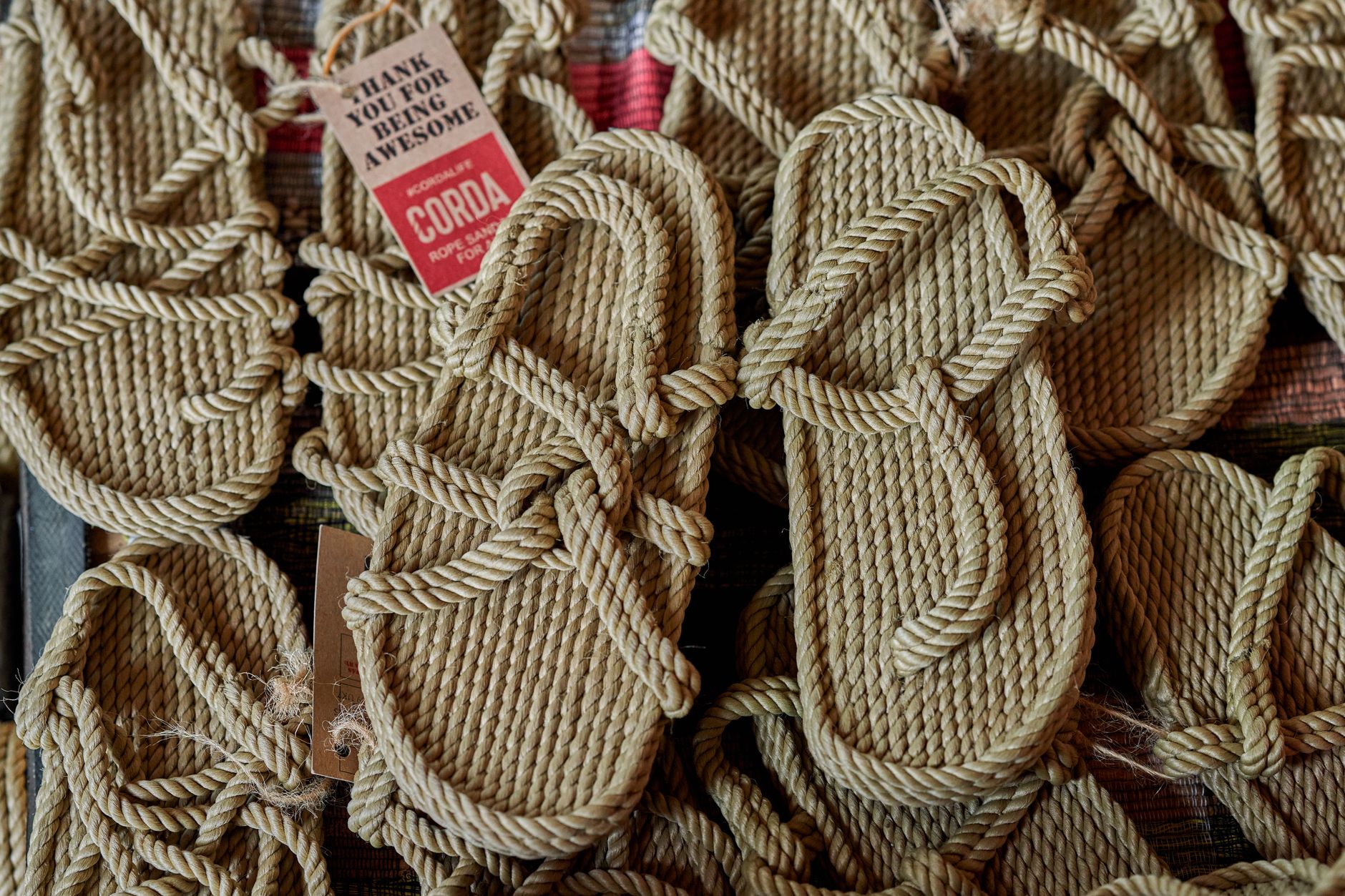
The jute sandal had a good run. For the better part of a decade, its rope-wrapped sole and earthy silhouette became shorthand for a certain kind of effortless summer dressing – the market stall aesthetic, the coastal holiday, the Sunday farmers market look. But something has shifted on the sales floor and the street this season, and the raffia slide is quietly claiming that territory.
What makes this transition worth watching is not just the material swap. It is the attitude change that comes with it. Where the jute sandal skewed casual and sometimes clunky, the raffia slide arrives with a cleaner line, a lower profile, and a surprisingly versatile range of styling possibilities. Designers and buyers have noticed. So have the women reaching past the espadrille section at their favorite boutiques.
What Raffia Actually Is (and Why It Works)
Raffia is a natural fiber harvested from the leaves of the raffia palm. It has been used in handcraft traditions across West Africa and Madagascar for generations, woven into baskets, hats, and decorative textiles long before fashion caught up. Its texture sits somewhere between straw and linen – structured enough to hold shape, soft enough to wear against bare skin without irritation. That balance is exactly what makes it suited to footwear.
As a slide specifically, raffia performs better than jute in a few practical ways. It is lighter, which matters when you are slipping a shoe on and off throughout the day. The weave pattern can be tightened or loosened by artisan manufacturers to control flexibility, meaning the sole can have give without sacrificing structure. And unlike jute, which tends to fray and darken when it gets wet, raffia handles humidity better – a meaningful advantage in a sandal category worn primarily in summer heat.
The color range also favors raffia. Natural jute sits in a narrow band of warm tans and muddy beiges. Raffia accepts dye differently, which means brands have been able to introduce slides in pale ecru, dusty terracotta, faded olive, and even muted black without losing the organic texture that makes the material appealing in the first place. That dye versatility has opened the raffia slide to a wider wardrobe range than its jute predecessor ever reached.
The Styling Shift Behind the Trend
The raffia slide is arriving at a moment when the broader fashion conversation is moving away from maximalism and back toward considered simplicity. A raffia slide with a straight-leg linen trouser and an oversized white shirt reads as intentional minimalism rather than lazy dressing – a distinction that matters to how people photograph, present, and talk about their outfits.
It also pairs differently than the jute sandal ever did. The espadrille and its rope-soled relatives always demanded a specific kind of outfit: sundresses, cropped denim, flowy linen separates. The raffia slide is more neutral in its demands. It works with tailored shorts, with silk slip skirts, even with relaxed suiting. That range is part of why buyers at independent boutiques have been prioritizing it in their summer orders.
Who Is Pushing the Raffia Slide Forward
The slide format itself has been building momentum for several years now across footwear categories. What is specific to this season is the intersection of that slide dominance with a growing appetite for natural, artisan-coded materials. Raffia lands in both conversations at once – it looks handmade without looking homemade, and it carries that sustainability-adjacent quality that shoppers increasingly expect from warm-weather footwear without requiring a lecture on supply chains.
A growing number of footwear labels, from mid-market European brands to small-batch artisan makers, have introduced raffia slide styles in their spring and summer lineups. The price points vary widely, but the silhouette is consistent: a low block heel or flat bed, a wide woven upper strap, and a sole that sits close to the ground without the platform bulk that defined the espadrille’s most exaggerated moments. The restraint is deliberate.
The footwear category is also benefiting from crossover interest in related trends. Woven textures in bags, hats, and even flat shoes have been gaining ground steadily, which creates a visual language that the raffia slide fits into naturally. Shoppers already buying into that texture vocabulary tend to respond to the slide as a logical extension rather than a new commitment to a foreign aesthetic.
The jute sandal is not disappearing. Classic espadrilles from longstanding Basque manufacturers and heritage Mediterranean brands will sell this summer, as they always have, because they carry genuine cultural weight that fashion cycles do not fully erase. But on the trend curve, the raffia slide is ahead, and its lead is growing. The question for the season is whether the slide stays close to its flat, minimal roots or whether brands start adding hardware, embellishment, and height – which would push it toward a different market entirely, and possibly accelerate its peak sooner than anyone expects.
Frequently Asked Questions
What is the difference between a raffia slide and a jute sandal?
Raffia slides use woven palm fiber and typically have a flatter, cleaner silhouette than jute sandals, which rely on rope-wrapped soles. Raffia is also lighter and handles moisture better than jute.
How do you style a raffia slide?
Raffia slides work with linen trousers, silk slip skirts, tailored shorts, and relaxed suiting – far more versatile than the sundress-and-denim pairings that suited the espadrille aesthetic.