

The Trouser Shift Nobody Announced
The wide-leg chino had a good run. It showed up everywhere – resort collections, street style roundups, capsule wardrobe guides – and for a few seasons it felt like the definitive answer to what relaxed dressing should look like. Now, quietly and without much fanfare, the linen barrel-leg trouser is taking its place. Not through aggressive trend forecasting or celebrity red carpet moments, but through the more convincing route of actually working better on a wider range of body types and occasions.
The barrel-leg silhouette – fuller through the thigh and hip, then tapered back toward the ankle – creates a shape that reads simultaneously relaxed and intentional. It has structure where the wide-leg sometimes reads shapeless, and ease where a slim cut would feel restrictive. In linen, the effect becomes almost architectural: the fabric holds the form with enough drape to soften it. That combination is why this trouser is quietly replacing its predecessor in both wardrobes and buying decisions.

Why the Wide-Leg Lost Ground
Wide-leg trousers were never really solved as a category. They demanded a lot from the wearer: the right shoe heel to avoid a dragging hem, a tucked or cropped top to avoid being swallowed by fabric, and a certain height or proportion that the silhouette favored without alteration. In a chino fabric – typically a cotton twill with minimal drape – the wide leg could read stiff and boxy rather than fluid and effortless. It worked beautifully in editorial shoots and less reliably in real wardrobes.
The practical complaints accumulated gradually. Hems frayed from contact with the ground. Volume at the ankle made certain footwear choices awkward or impossible. In warmer months, the chino’s tighter weave trapped heat in a way that undermined the entire point of wearing something loose and casual. None of these problems were fatal on their own, but together they left space for something better positioned to step in.
What the Barrel Leg Gets Right
The barrel silhouette’s proportions do something that most trouser shapes fail to do naturally: they balance the visual weight of an outfit without requiring the top half to compensate. Because the volume sits in the thigh rather than dragging to the floor, there is no heel height requirement. A flat sandal, a loafer, even a clean sneaker works. That versatility alone makes the barrel-leg more functional across a typical week than the wide-leg ever managed.
Linen as the fabric of choice amplifies every advantage. It is cooler than chino cotton, more breathable, and softens with washing in a way that actually improves the drape over time rather than degrading it. A linen barrel-leg trouser worn for a full summer season begins to move better than when it was new. Few garments can make that claim honestly.
The tapered ankle is the structural decision that makes the whole silhouette land correctly. It gives the eye a clear finish point, which means the trouser reads as polished even when the fabric is wrinkled – and linen will always wrinkle. This matters because wearers who might have avoided linen previously due to its tendency toward rumpling find that the barrel-leg shape contains and contextualizes those wrinkles rather than advertising them. The shape does work that the fabric alone cannot.
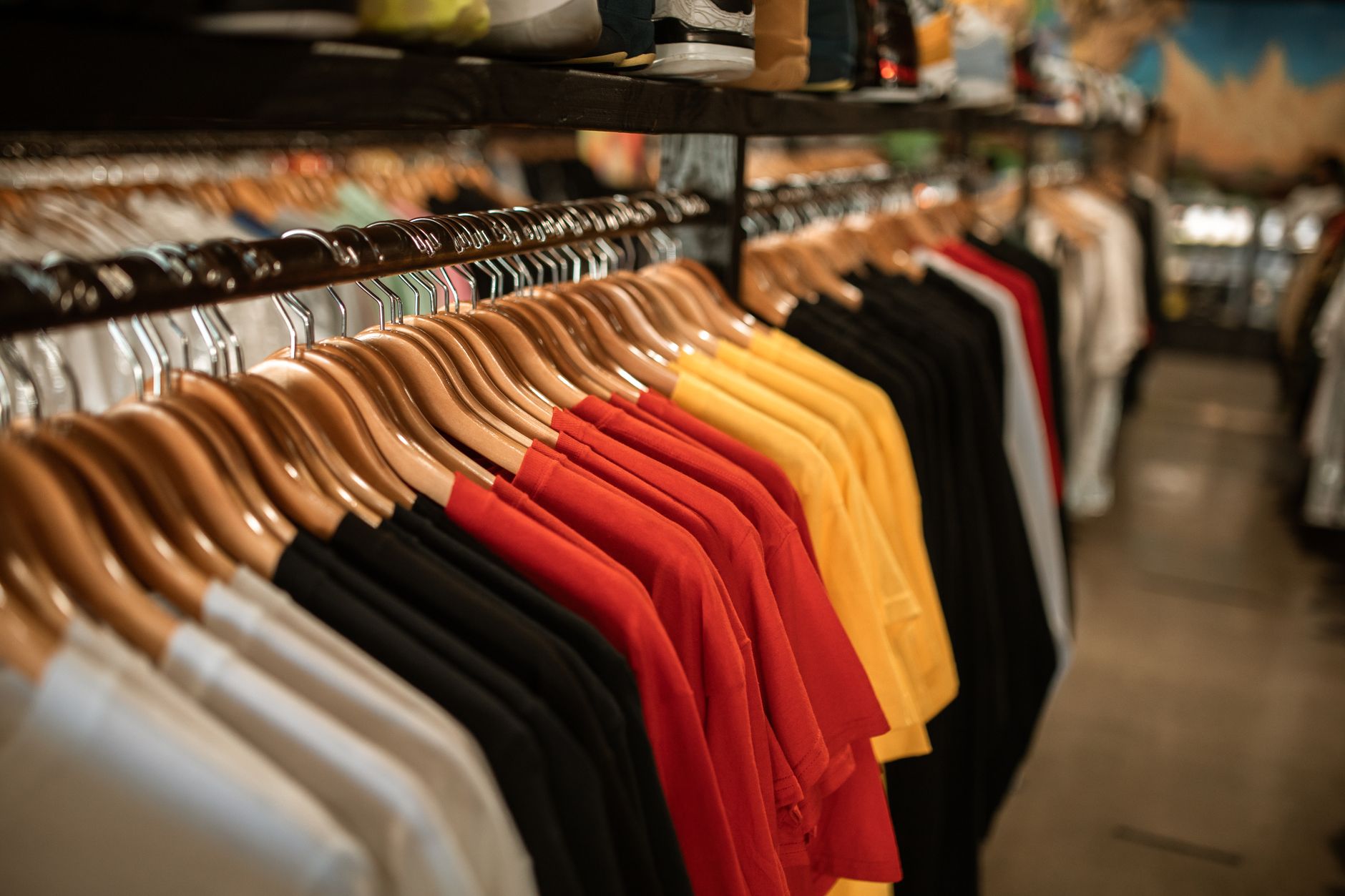
Color is also behaving differently in this category. Where chinos leaned into neutrals almost exclusively – khaki, navy, stone – barrel-leg linen trousers are appearing in earthy midsummer tones: terracotta, faded sage, pale rust, dusty mauve. These are shades that photograph well, travel well, and sit easily alongside both white linen shirts and silk tank tops. The range signals that this silhouette is positioning itself as a full-season, full-wardrobe option rather than a narrow weekend category.
How Retailers Are Reading the Moment
Buying patterns at mid-market and contemporary fashion retailers tell the story more directly than any trend report. Reorder rates on barrel-leg linen styles have been climbing steadily through the spring buying cycle, while wide-leg chino inventory is moving toward markdown earlier in the season than it did previously. That is the clearest commercial signal that consumer preference has shifted, even if the consumer hasn’t necessarily articulated why.
Some brands that built strong identity around the wide-leg chino are quietly introducing barrel-leg options without retiring the original style outright – a hedge that suggests they are tracking the same signals. The linen barrel-leg doesn’t need an announcement. Its adoption is happening through individual purchase decisions rather than a coordinated trend push, which historically is how the styles with real staying power tend to arrive.
Styling the Barrel Leg for the Months Ahead
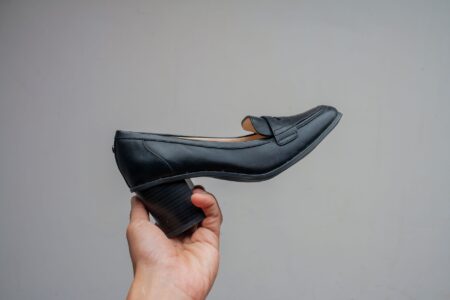
The trouser pairs most naturally with simple tops – a fitted cotton tee, a linen button-down left untucked, a knit polo in a tonal or complementary shade. The silhouette carries enough visual interest on its own that loading the top half with structure or pattern competes rather than adds. Footwear options are genuinely open: backless mules and leather slides work for warmer days, while a low block heel or pointed flat extends the trouser into evening without requiring a full outfit change.
Layering over the barrel-leg is easier than most expect. Because the ankle tapers, long cardigans and open linen jackets hang cleanly rather than bunching over excess fabric. A belt worn at the natural waist pulls the silhouette together when the top is tucked, adding definition without fighting the trouser’s relaxed intention. The whole equation is more forgiving than it looks on a hanger.
Linen’s one persistent limitation – its tendency to crease visibly within an hour of wearing – is essentially neutralized by the barrel-leg’s proportions. The fullness in the thigh area means creases read as texture rather than carelessness, and the tapered finish at the ankle holds its line longest, which is exactly where the eye tends to land first. For anyone who has avoided linen trousers because of how they look by midday, the barrel silhouette changes that calculation entirely – which may be the most direct explanation for why this particular style is winning right now, without anyone needing to declare it a trend.