


The ankle sock has had a long, comfortable run. Worn with everything from chunky trainers to ballet flats, it became the default choice for anyone who wanted to avoid visible hosiery without committing to bare skin. But something is shifting at the shoe rack, and the leather loafer – arguably the most versatile shoe in a well-edited wardrobe – has found a new companion that makes the ankle sock look like an afterthought.
The leather loafer sock, sometimes called the loafer liner or the low-cut knit sock, sits differently than its ankle counterpart. It hugs the foot lower, sits more deliberately inside the shoe, and often features a small tab or loop at the heel to keep it in place. Where the ankle sock tends to bunch, slip, or flash an awkward band of white cotton mid-stride, the loafer sock disappears into the shoe while still protecting the foot and lining. It is the difference between a sock that works for you and one you are constantly adjusting.
Style-conscious dressers have been making the switch quietly, without fanfare.
Why the Loafer Sock Works Better with Leather Shoes
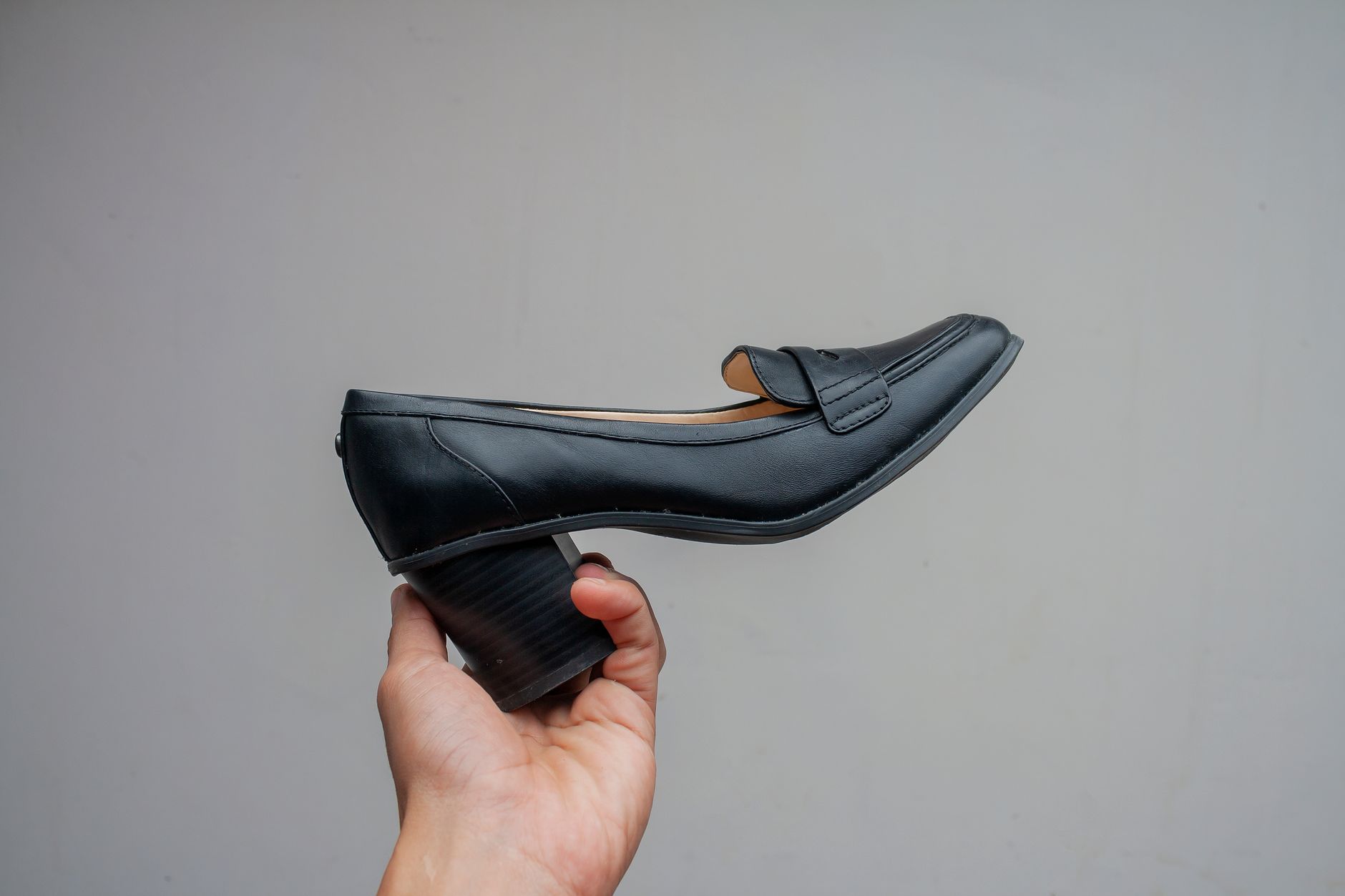
Leather loafers have always had a problem: wear them without socks and the leather lining wears out fast, the shoe starts to smell, and blisters become a weekly occurrence. Wear them with traditional ankle socks and the visual effect is broken – you get a chunky cotton rim peeking out from the topline of the shoe, which undermines the clean, polished silhouette the loafer is built for. The loafer sock solves this without compromise. It stays hidden, keeps the leather in better condition, and allows the shoe’s silhouette to read exactly as intended.
Beyond function, there is something about the loafer sock that works with how people are dressing now. Tailored trousers worn slightly cropped, wide-leg denim with a clean break at the ankle, midi skirts with a bit of movement – all of these looks benefit from an unbroken line between hem and shoe. The ankle sock interrupts that line. The loafer sock does not. For anyone who takes the full outfit seriously, that is not a minor detail.
Material matters here, too. Loafer socks made in fine cotton, cashmere-blend, or ribbed merino sit flat against the foot and do not add visual bulk. Some styles feature a subtle logo tab or a contrast trim at the heel – small enough that it registers only up close, but enough to make the sock feel intentional rather than invisible. That distinction between hidden and considered is exactly what separates this trend from no-show socks, which tend to be purely functional with no design identity at all.

How the Trend Is Being Worn Right Now
On the street and in editorial, the loafer sock is showing up most often in neutral tones – ivory, oat, navy, and black – that mirror or complement the shoe rather than contrast with it. Wearing a cream loafer sock with a tan leather penny loafer creates a tonal effect that makes the whole lower half of an outfit feel considered. Black ribbed loafer socks with black leather loafers essentially extend the shoe upward and visually lengthen the leg.
Some wearers are pushing the look further by letting just a sliver of the sock’s heel tab show above the shoe’s counter – a deliberate flash of texture or color that signals the sock is part of the outfit, not a concession to practicality. This is a small move with a big payoff. It takes something that could be purely invisible and turns it into a finishing detail, the way a pocket square or a watch strap quietly completes an otherwise simple look.
Loafers themselves are not going anywhere. The silhouette has remained in heavy rotation across price points, from heritage shoemakers to fast-fashion retailers, and the range of wearers – students, professionals, off-duty creatives – reflects how broadly the shoe has been adopted. As the loafer’s audience grows, so does the demand for the right sock to wear with it. The ankle sock no longer fits that brief.

The Practical Case Is Hard to Argue With
Loafer socks tend to cost slightly more than basic ankle socks, but the difference is usually not dramatic. A well-made pack of loafer liners in fine cotton or merino sits in roughly the same price range as a decent-quality ankle sock multipack. The return on that investment is a sock that stays in place, does not leave a visible impression on the ankle when removed, and extends the life of an expensive shoe by protecting the leather interior from sweat and friction. For anyone who has had to re-line or repair a leather loafer prematurely, that last point alone changes the calculation.
The only real argument for keeping the ankle sock is habit. It is what most people have always bought, it works across a wider range of shoe styles, and it requires no thought. But fashion rarely rewards the path of least resistance, and the loafer sock asks for very little – just a slight adjustment in what you reach for when you are dressing a leather shoe that deserves a better match.
What is interesting is that the loafer sock has not been marketed aggressively or backed by any single campaign or celebrity moment. It has spread through the kind of quiet accumulation that the most durable style changes tend to favor – one well-dressed person noticed by another, an outfit detail caught in a photograph, a small tab of ribbed cashmere visible above the heel of a well-worn loafer on the train.
Frequently Asked Questions
What is a leather loafer sock?
A loafer sock is a low-cut sock designed to sit inside a loafer without showing above the shoe’s topline, often featuring a heel tab to keep it in place.
Why is the loafer sock better than an ankle sock with loafers?
Ankle socks tend to show above the shoe and disrupt the loafer’s clean silhouette. Loafer socks stay hidden while still protecting the leather lining and preventing blisters.