


The Galliano Archive Lives Again
John Galliano’s decade-long tenure at Christian Dior produced some of the most theatrical, technically demanding fashion the house had ever seen. Bias-cut gowns that moved like water, corsetry borrowed from 19th-century couture manuals, newsprint prints, and references ranging from Edwardian dandyism to Japanese Kabuki – all of it executed with a craftsmanship that the atelier’s own petites mains struggled to keep pace with at times. That body of work, spanning roughly 1996 to 2011, was treated as a closed chapter when Galliano’s departure left the house in need of rebuilding. Now, quietly and without any official announcement, those codes are circulating again.
The return is not a revival in the press-release sense. No house memo has declared a Galliano retrospective. What is happening instead is more organic and, in some ways, more telling: archive pieces are appearing on red carpets and in editorial shoots with increasing frequency, stylists are pulling from that era specifically, and the visual language Galliano developed at Dior – that particular collision of historic romance and street-level provocation – is showing up in the work of designers who came of age watching his runway shows. The conversation is reopening whether the fashion industry is ready to name it or not.
What Made the Galliano-Dior Codes Distinct
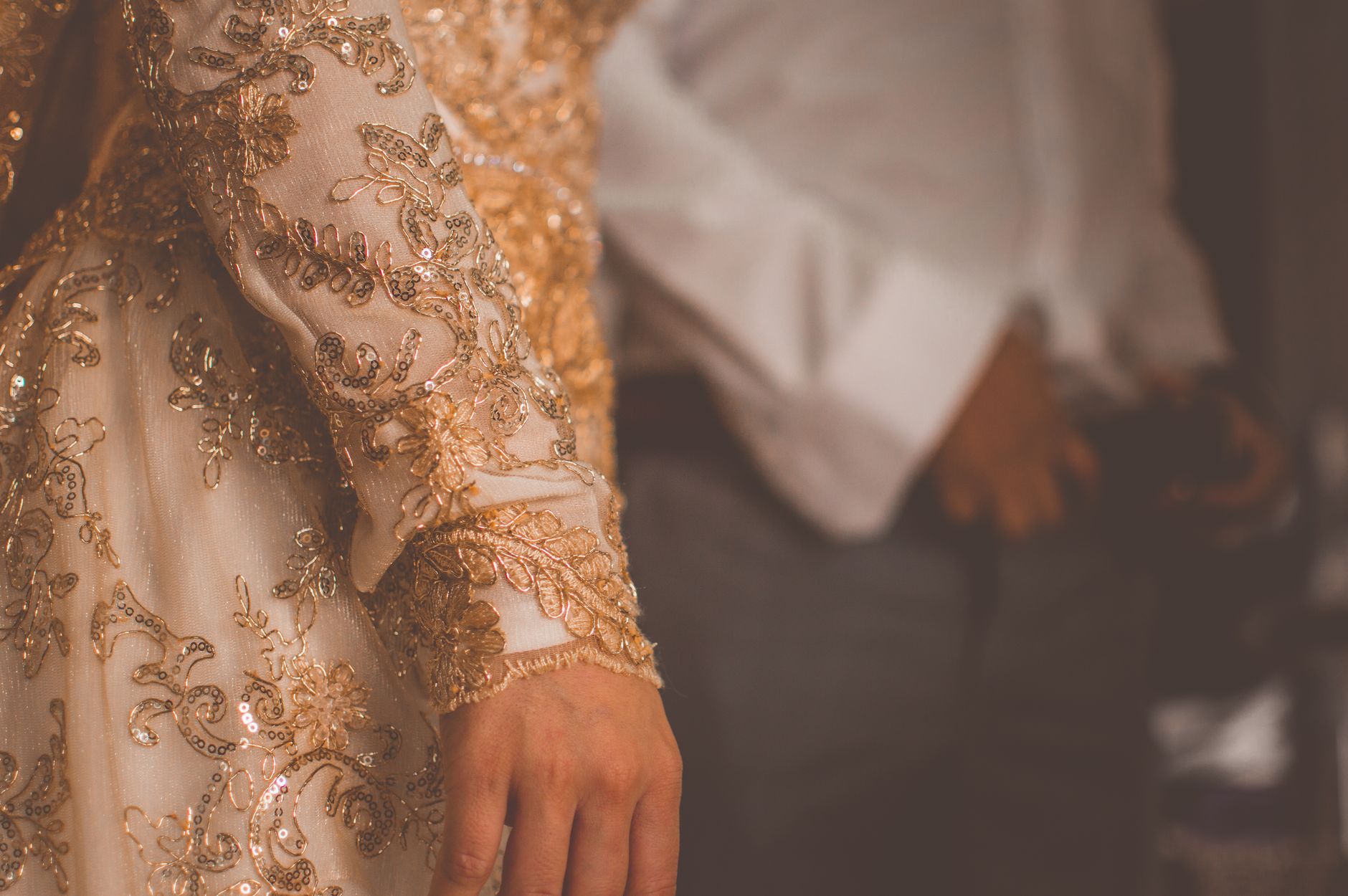
To understand why these references keep resurfacing, it helps to be precise about what they actually are. Galliano built a grammar at Dior that was unlike anything the house had used before or has used since. His work drew on couture techniques – specifically the bias cut, which he had studied and refined obsessively since his graduate collection – and applied them to silhouettes that were simultaneously historicist and destabilizing. A gown might reference Belle Epoque lingerie while being cut so that it appeared to be mid-collapse, held together by the tension of the fabric itself. Corsets were worn as outerwear. Trains dragged behind tailored jackets. The hat work alone, developed in close collaboration with milliners, could fill a museum retrospective.
What set the archive apart from mere theatrical fashion was that the construction held. These were not costumes that photographed well and fell apart on closer inspection. The cutting was precise, the seaming architectural. Buyers and collectors who have handled the pieces note that the craftsmanship operates on a different level from much of what the house produced in subsequent years. That structural rigor is part of why the archive has aged so well – the pieces still read as modern because the underlying geometry was never trendy to begin with. It was always referencing something older and stranger than any seasonal moment.
How the Archive Is Moving Through Culture Right Now
The most visible channel has been celebrity dressing. Over the past two years, a growing number of high-profile appearances at film premieres, awards ceremonies, and fashion weeks have featured Galliano-era Dior pulled directly from archive collections or private sale. Stylists working at the top level of celebrity fashion have spoken in general terms about a client appetite for pieces with genuine provenance – not just age, but a specific kind of conceptual weight that mass-market vintage cannot replicate. A 2003 Dior couture gown carries a different cultural charge than a 1990s slip dress, and the stylists building those looks know exactly what they are communicating.
The secondary market has registered this shift plainly. Archive Galliano-era Dior – particularly the haute couture pieces but increasingly the ready-to-wear – commands prices that reflect demand well beyond collector circles. Platforms that specialize in high-end archive fashion have seen search volume for specific Galliano Dior seasons rise, with the early 2000s collections attracting particular interest. The newsprint print dresses from his spring 2000 show, the Egyptian-influenced pieces from 2004, the 1947 Bar Jacket reinterpretations he returned to across multiple collections – these have moved from archive curiosities to actively coveted objects.
Editorial fashion has been equally direct. A number of major magazine shoots in the past 18 months have built full stories around the archive, sometimes mixing it with contemporary pieces and sometimes presenting it as the sole focus. The effect in print is to position the Galliano Dior years not as historical documentation but as living style reference. Fashion directors pulling these looks are making an argument about where sophistication lives right now – not in newness, but in the kind of achieved vision that takes years to produce and decades to fully appreciate.
There is also a quieter influence operating below the level of direct archival use. Designers who grew up watching Galliano’s shows are now running their own houses or working at senior levels within major ones, and the visual thinking they absorbed during those years is present in their work without being copied. The specific combination of romanticism and structural severity, the willingness to treat historical dress as raw material rather than costume, the understanding that a silhouette can carry narrative weight – these ideas trace back through recent collections in ways that are not always acknowledged but are not difficult to trace.
The Complication That Won’t Disappear
Any serious discussion of Galliano’s archive has to account for the reason his Dior tenure ended. His 2011 public incident and the antisemitic statements he made were not peripheral to his firing – they were the direct cause, and the fashion industry’s response at the time was swift. The house severed ties immediately. For years, the archive existed in a kind of cultural suspension: the work was undeniably extraordinary, and the man who made it had said unforgivable things. That tension did not resolve; it simply went quiet while the industry waited to see how Galliano would conduct himself and whether rehabilitation was possible.
His subsequent work at Maison Margiela, where he has been creative director since 2014, has been widely read as both personal and professional restitution. The Artisanal collections in particular have drawn on the same technical obsessions that defined his Dior years, while developing a conceptual framework that is distinctly his own. The critical reception has been largely generous, and within the industry there is a working consensus that the rehabilitation has been genuine. But the discomfort has not fully resolved, and the archive’s return to cultural circulation reopens questions about how fashion weighs extraordinary craft against the person who made it.
What Dior Itself Has Done With the Legacy
The house under Maria Grazia Chiuri has taken a careful, measured approach to the Galliano years. Chiuri’s own work draws more explicitly on the New Look period – on Christian Dior’s original codes – and on a feminist reexamination of couture’s relationship to the female body. Direct quotation from the Galliano era has been rare. The house’s official archive exhibitions and publications have included the period without emphasis, treating it as one chapter in a longer institutional history.
This restraint is understandable from a brand management perspective, but it has also created a gap. The Galliano-Dior archive is not being curated or contextualized by the institution that owns most of it. That work is instead being done by stylists, collectors, editors, and resale platforms – a decentralized curatorial process that reflects genuine appetite but also operates without the historical framework the house could provide. The archive is being loved back into relevance by people working around the institution rather than through it.
What the current moment suggests is that fashion’s relationship with this particular body of work is entering a more active phase. The pieces are not staying in private collections or storage. They are being worn, photographed, studied, and discussed in ways that are building rather than diminishing. Whether the house eventually decides to engage directly with that conversation – through an exhibition, a documented retrospective, or simply a public acknowledgment of what those years produced – is an open question. The archive, meanwhile, keeps moving.
Frequently Asked Questions
Why are John Galliano’s Dior archive pieces becoming popular again?
The pieces combine exceptional technical craftsmanship with a distinct visual language that has aged well. Stylists, editors, and collectors are actively seeking them out for their conceptual weight and construction quality.
What years does the Galliano-Dior archive cover?
Galliano served as creative director at Christian Dior from 1996 to 2011, producing both haute couture and ready-to-wear collections across that period.