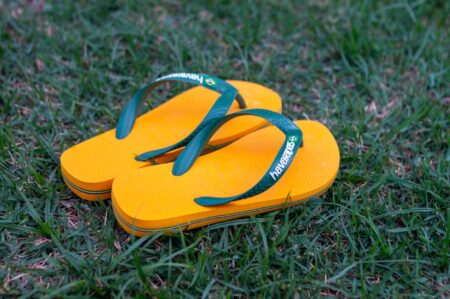



The canvas sneaker had a good run. For the better part of a decade, it held the center of the casual footwear conversation – worn with tailored trousers, floaty midi skirts, and everything in between. It was the shoe that said “effortless” without trying too hard. But something quieter, and arguably sharper, has been moving in on that territory: the mesh loafer.
Mesh loafers – structured in silhouette, breathable in material, and oddly formal in a way that makes them more versatile, not less – have been accumulating real momentum across fashion weeks, street style circuits, and the kind of understated wardrobes that rarely chase trends outright. The canvas sneaker is not gone. But it is losing ground to a shoe that manages to look more considered without requiring any more effort.
Why the Canvas Sneaker Peaked
The canvas sneaker’s appeal was always rooted in its simplicity. Low cost, easy to style, available everywhere – it became shorthand for relaxed dressing at a time when casualwear was being rapidly elevated. Brands leaned into the formula, and for a while, it worked. A white canvas sneaker could carry an entire outfit without demanding anything else from the wearer.
The problem with that kind of universal appeal is that it eventually reads as generic. Once a shoe becomes the default, it stops functioning as a choice and starts functioning as a placeholder. That’s where the canvas sneaker finds itself now – not unfashionable exactly, but no longer interesting. It fills a gap rather than completing a look.
There’s also a fit issue that rarely gets discussed directly. Canvas sneakers, by design, sit wide and flat against the foot. On certain proportions and with certain trouser cuts, that creates a visual block at the ankle that interrupts the line of an outfit. The mesh loafer, with its slimmer profile and slight heel depth, avoids that problem almost automatically. It reads as clean without requiring the wearer to style around it.
What the Mesh Loafer Offers Instead
The mesh loafer borrows the structural logic of a classic loafer – the moccasin toe, the low vamp, the absence of laces – and replaces the leather or suede upper with an open-weave mesh. The effect is a shoe that looks polished from a distance and relaxed up close. It works in summer heat without looking like a concession to the weather. That combination is harder to achieve than it sounds.
Where the canvas sneaker defaults to casual, the mesh loafer sits in a more ambiguous register. It can move from a Saturday market to a Sunday lunch without the wearer changing shoes or feeling underdressed at either stop. That functional flexibility – not the visual novelty of the mesh itself – is what’s driving its gradual takeover of the canvas sneaker’s former territory. Much the same logic has pushed the Venetian loafer into the space once occupied by the ballet flat: a familiar silhouette updated just enough to feel current without alienating anyone who values ease.

How Styling Has Shifted Around It
The styling language around the mesh loafer is noticeably different from how people wear canvas sneakers. With sneakers, the tendency is to dress up the rest of the outfit – a blazer here, structured trousers there – to compensate for the shoe’s inherent casualness. The mesh loafer inverts that equation. Because the shoe already reads as considered, the rest of the outfit can afford to relax. Linen trousers, a loose cotton shirt, no-socks – the mesh loafer holds the whole thing together without effort.
On women, the shoe is doing particularly interesting work with midi skirts and wide-leg trousers, two silhouettes that can overwhelm a flat sneaker at the hem. The loafer’s structure gives the ankle a cleaner line and creates a visual anchor that the canvas sneaker simply can’t provide. It’s a small mechanical difference that produces a noticeably more finished result.
Color is another area where the mesh loafer is expanding in ways the canvas sneaker never quite managed. White canvas sneakers dominated that category for years, with any other color treated as a statement. Mesh loafers are arriving in a much wider range from the start – tan, black, navy, olive, and even two-tone combinations – and none of them feel like they’re making an announcement. The material absorbs color differently than canvas does, which tends to make even bolder choices feel quieter and more wearable.
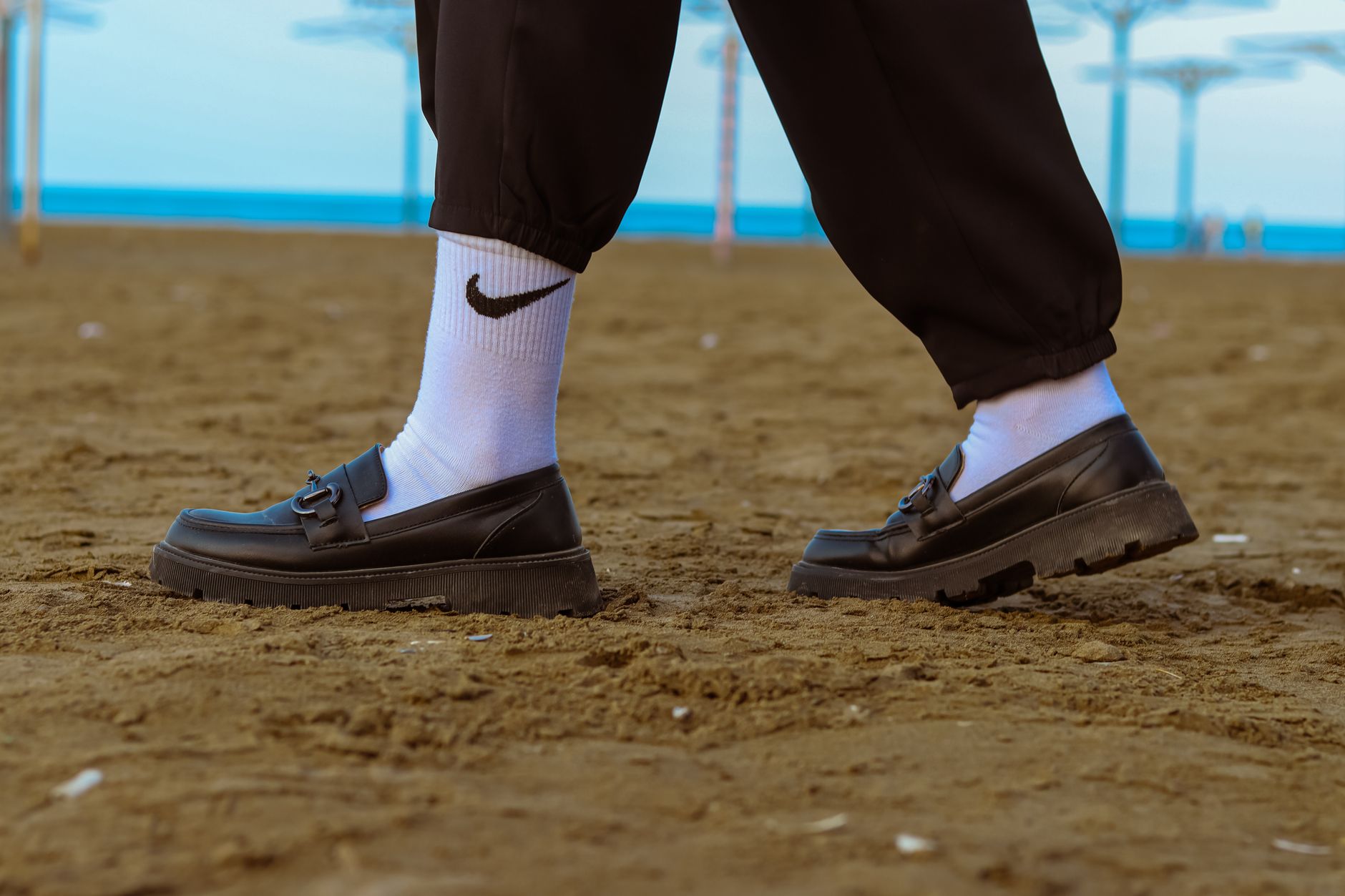
The no-sock pairing, now so standard it barely registers as a styling decision, also lands differently depending on the shoe. A canvas sneaker worn sockless looks deliberately casual – sometimes intentionally thrown-together. A mesh loafer worn the same way looks, oddly, more European. The breathability of the mesh makes the practicality obvious, which removes any sense of affectation from the choice. The shoe is ventilated by design, so going sockless reads as logical rather than studied.
There is still a price gap worth acknowledging. A canvas sneaker from a reliable brand costs a fraction of what most well-constructed mesh loafers run. For buyers who have been using canvas sneakers as a low-commitment daily shoe, the switch requires a slightly different mindset about cost-per-wear. The mesh loafer’s advantage is that it asks to be worn more broadly – to more occasions, more outfit configurations – which tends to justify the spend over time. Whether that math lands depends entirely on the wearer’s actual lifestyle, not an abstract ideal of versatility.