


The pointed-toe loafer had a long run. For the better part of three years, it anchored every capsule wardrobe edit, every street style roundup, every “one shoe to rule them all” conversation. Now, quietly and without much fanfare, the mesh ballet flat is stepping in.
Why the Shift Is Happening Now
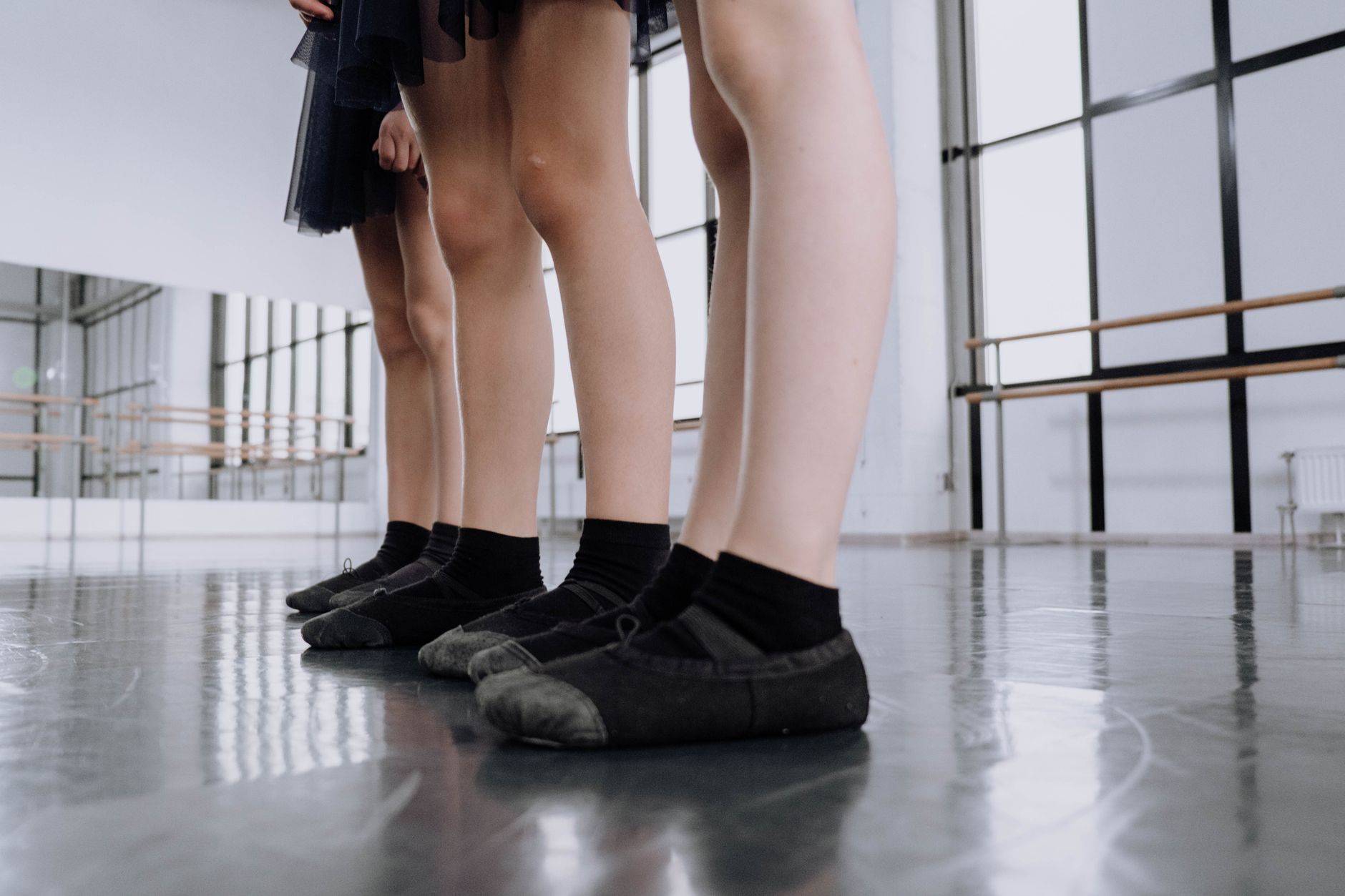
The mesh ballet flat is not a new invention. Sheer and semi-sheer footwear has cycled through fashion for decades, most notably in the late 1990s and early 2000s when barely-there aesthetics dominated runways. What’s different this time is the construction: modern versions feature reinforced toe boxes, structured insoles, and layered mesh that sits closer to athletic fabrication than to the flimsy slipper-sock hybrids of seasons past. The result is a shoe that actually functions as a shoe, not a styling exercise.
The pointed-toe loafer’s decline isn’t about quality or craft. Many of the best versions are beautifully made and genuinely versatile. The issue is saturation. When a silhouette reaches a certain point of ubiquity, it stops reading as a choice and starts reading as a default. The mesh flat, by contrast, still carries the mild surprise of something that hasn’t fully been claimed by the mainstream yet.
Seasonality plays a role too. Loafers, even slim-cut ones, carry a weight that belongs more naturally to autumn and winter. Mesh flats feel genuinely warm-weather appropriate without trying. The breathable upper does actual work in heat, and the lack of structure means they pack flat – a practical point that frequent travelers are starting to notice.
There’s also something happening at the styling level. The pointed-toe loafer demanded a certain outfit logic: tailored trousers, a structured bag, clean lines. The mesh flat is more tolerant. It works with a slip dress, with wide-leg jeans, with a linen suit, with a printed midi skirt. That versatility isn’t accidental – it’s baked into the flatness and the softness of the silhouette itself.

How the Mesh Flat Is Being Worn Right Now
The strongest styling direction emerging around the mesh flat is contrast pairing – setting the delicacy of the sheer upper against heavier, more substantial pieces. A chunky ribbed knit dress worn with a barely-there mesh flat creates exactly the kind of visual tension that makes an outfit feel considered rather than obvious. The foot becomes a kind of punctuation mark, light where everything else is heavy.
Color is where the mesh flat earns its complexity. Nude and skin-tone versions were the first wave, designed to elongate the leg by disappearing against the skin. But the more interesting iteration arriving now involves tonal layering: a black mesh upper over a black or dark navy lining, or a white mesh flat with a cream insole that shows through slightly. The shoe rewards a close look, which is rare for footwear at this price point and profile.
The sockless approach remains the dominant styling call, but a growing number of wearers are pairing mesh flats with sheer or fine-knit ankle socks, creating a tonal layering effect from the ground up. It’s a detail that works particularly well when the sock echoes a color in the outfit above – a pale pink sock picked up from a floral print, for instance, or a slate grey that matches the trousers.
What the mesh flat does to proportion is worth paying attention to. The flat silhouette and minimal visual weight at the foot tends to let wide-leg trousers pool more naturally, and allows midi skirts to find their hem length without competing with a shoe that’s making its own statement. For anyone who found that pointed-toe loafers were slightly shortening the leg line under certain cuts, the mesh flat offers a cleaner visual resolution.
It’s also worth considering the overlap with other flat categories. The grosgrain trim flat made a similar case last season for returning to low, decorated footwear – and the audience that embraced that trend is a natural fit for the mesh flat’s slightly softer, more architectural proposition. These two flat styles aren’t competing so much as building a wider argument that the flat shoe moment is real and extending beyond any single silhouette.
What Comes Next for the Pointed-Toe Loafer
The pointed-toe loafer isn’t going anywhere immediately. Its base of wearers is too broad and its wardrobe utility too established for it to disappear from stores or street style in the near term. But the energy around it has cooled. It’s moved from “the shoe everyone is seeking out” to “the shoe everyone already has,” which is a different position entirely.
The more pressing question is whether the mesh flat can hold its footing once it reaches full mainstream adoption. Transparent and semi-sheer footwear has historically had a short window before it tips from fresh into overdone – and the same qualities that make it feel surprising right now will make it feel expected the moment every high street retailer produces a version at scale. The pointed-toe loafer, for all its current fatigue, at least proved it could last. The mesh flat still has that test ahead of it.