

The Shift Nobody Announced
Cotton wide-leg trousers had a long run. For several seasons they were the default answer to every style question – easy to wear, easy to find, and flattering in that broad, uncomplicated way that makes a garment a wardrobe staple. But something has been changing on the rails of boutiques and in the edit selections of fashion buyers, and it’s happening without much fanfare: linen trousers, specifically in wide and relaxed cuts, are quietly becoming the preferred choice for the shopper who once would have reached automatically for cotton.
This is not a seasonal novelty or a single runway directive from one label.
The preference is moving because the logic behind it is sound. Linen carries properties that cotton simply cannot replicate – a natural breathability that comes from its open weave, a drape that gets softer and more elegant with each wear, and a textural quality that reads as intentional rather than casual. When those properties are cut into a wide-leg or relaxed trouser shape, the result is something that works harder across more occasions than its cotton equivalent ever managed.
Why Linen Wins on Texture
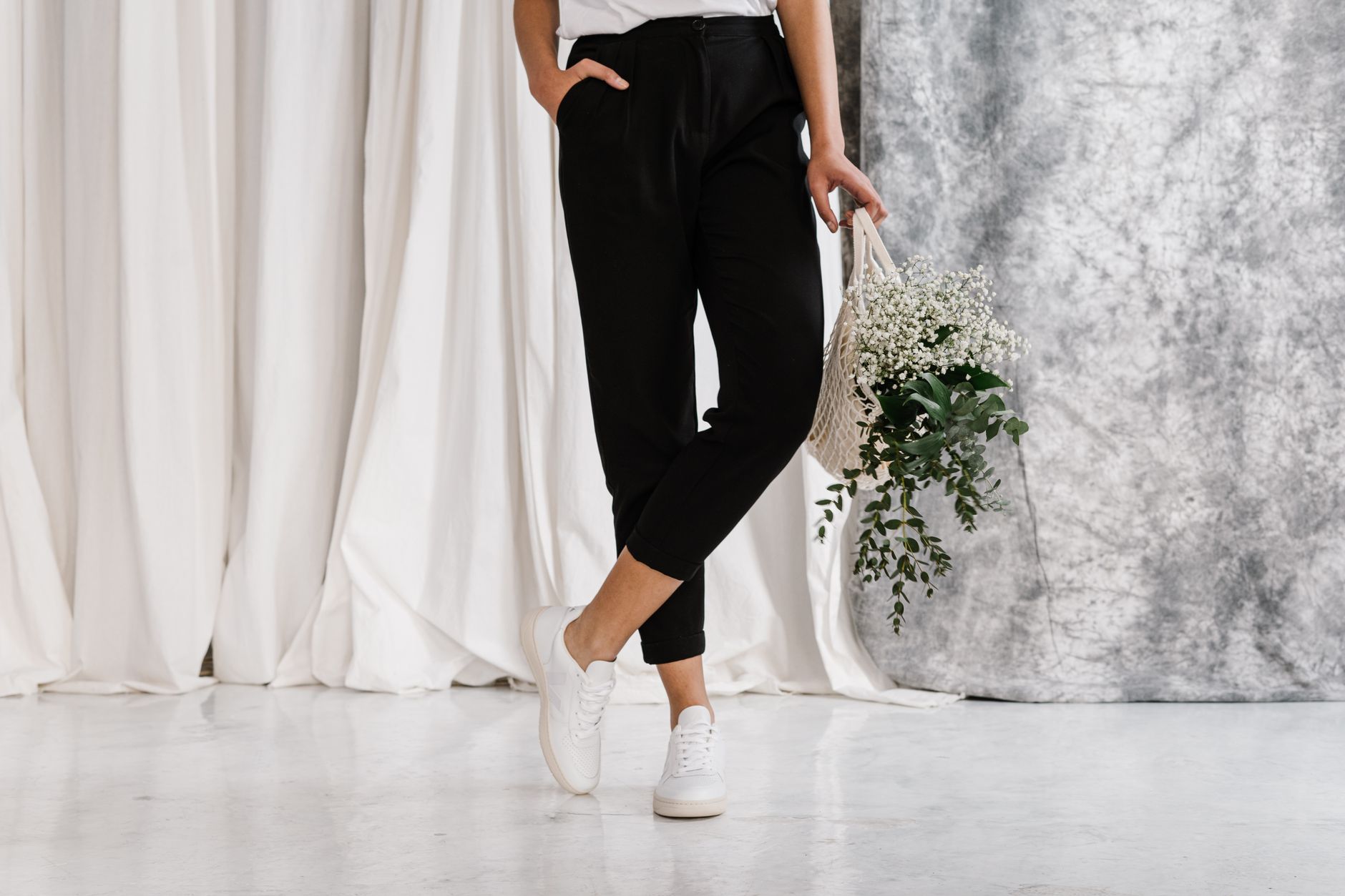
The visual argument for linen is its surface. Cotton wide-legs, particularly in heavier weights or plain weaves, can look flat on the body – competent but uninspiring. Linen has a natural slub and an irregular finish that catches light differently depending on the cut and the weight. That means even a very simple trouser in a neutral linen looks like a considered choice rather than a filler piece. The texture is doing work that the styling doesn’t have to do.
There is also the question of how each fabric behaves over the course of a day. Cotton, particularly lighter cotton, can hold body heat and sit against the skin in warm weather, losing its shape at the knee and seat by mid-afternoon. Linen moves differently – it sits away from the body, allows air to circulate, and even the wrinkling that happens through wear has a quality that most people find appealing rather than disheveled. A linen trouser that has been worn for several hours looks lived-in and relaxed. A cotton wide-leg in the same condition looks like it needs ironing.
The weight range available in linen has also expanded significantly. Where linen once skewed heavy and stiff – the kind of fabric associated with traditional tailoring or resort wear in a very specific register – brands working with the fabric now offer lighter weaves that drape more like a soft suiting material. That lighter weight changes what the trouser can do: it moves more fluidly, pairs more easily with different top weights, and doesn’t carry the formal connotations that heavier linen once had.
The Occasion Range Is Wider Than It Looks
One of the consistent criticisms of linen as a fabric is that it occupies a narrow style lane – holiday dressing, summer weekends, a certain kind of coastal aesthetic that doesn’t translate to everyday urban life. That criticism applied more cleanly to structured linen pieces. The wide-leg and relaxed linen trouser sidesteps most of it. Because the silhouette is already relaxed and volume-forward, the linen texture enhances rather than limits where the trouser can go.
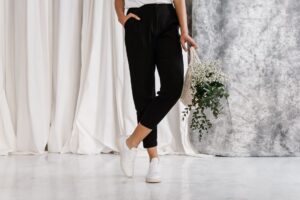
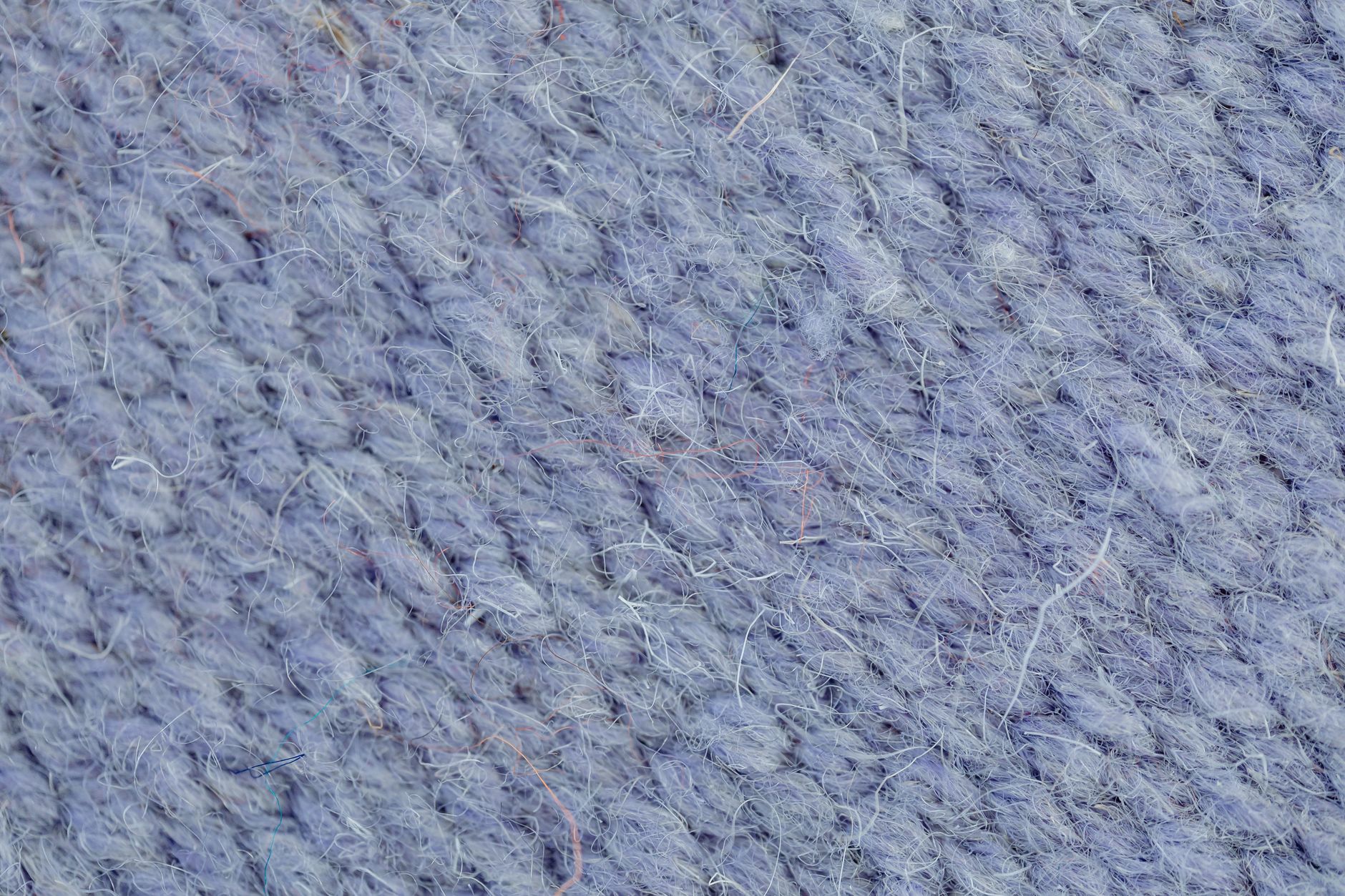
Worn with a simple fitted tank or a lightweight knit and flat sandals, a linen wide-leg reads as weekend dressing at its most polished. Add a tailored blazer – particularly in a contrasting fabric like wool crepe or a tighter weave suiting – and the same trouser moves into office-appropriate territory without any awkwardness. That fabric contrast between a structured top layer and a looser, textured trouser is exactly the kind of dressing tension that currently looks sharp rather than confused. The cotton wide-leg, by comparison, tends to read as more uniform and less interesting when the same layering logic is applied to it, because it doesn’t offer enough visual contrast to harder fabrics. For anyone building a wardrobe around fewer, more versatile pieces, the linen option is increasingly the smarter investment – and that thinking aligns with how the longline cardigan is replacing the structured coat in the same low-effort, high-return logic.
Color also plays differently in linen. The fabric absorbs dye in a way that produces slightly more muted, dusty tones – the kind of off-whites, warm taupes, and faded terracottas that are currently occupying the most desirable end of the palette. Cotton in the same shades often reads brighter and more synthetic-looking, even when the dye process is identical. The slight natural variation in linen fiber means colors settle into the fabric rather than sitting on its surface, which is a small detail that makes a visible difference in how expensive and considered a trouser looks in practice.
Where This Leaves the Cotton Wide-Leg
Cotton is not going away, and the wide-leg silhouette in cotton still has its loyalists – particularly for denim-adjacent styles, workwear-influenced cuts in heavier canvas weights, and the kind of relaxed tailoring that leans into utility aesthetics. But as a default warm-weather trouser, as the easy choice for a polished-casual outfit that doesn’t require much thought, the cotton wide-leg is ceding ground to a fabric that simply performs better in the specific use cases where it was dominant. The question worth sitting with is whether brands invested in cotton wide-leg production will respond by refining the fabric weights and finishes they’re working with, or whether the linen trouser simply keeps taking market share until the category looks completely different a few seasons from now.