

The cotton wrap dress had a good run. Flattering on nearly every body type, easy to knot and adjust, available at every price point from fast fashion to boutique luxury – it became a warm-weather staple so reliable that it stopped feeling like a choice and more like a default. Which is exactly when something new starts to look interesting.
The linen shirt dress is taking that space. Not loudly, not through a sudden runway decree, but through a steady accumulation of street-style moments, editorial features, and the kind of quiet word-of-mouth that moves faster than any campaign. Women who wore wrap dresses on rotation last summer are reaching for structured linen collars this year, and the reasons go deeper than novelty.
Why Linen Is Winning Right Now
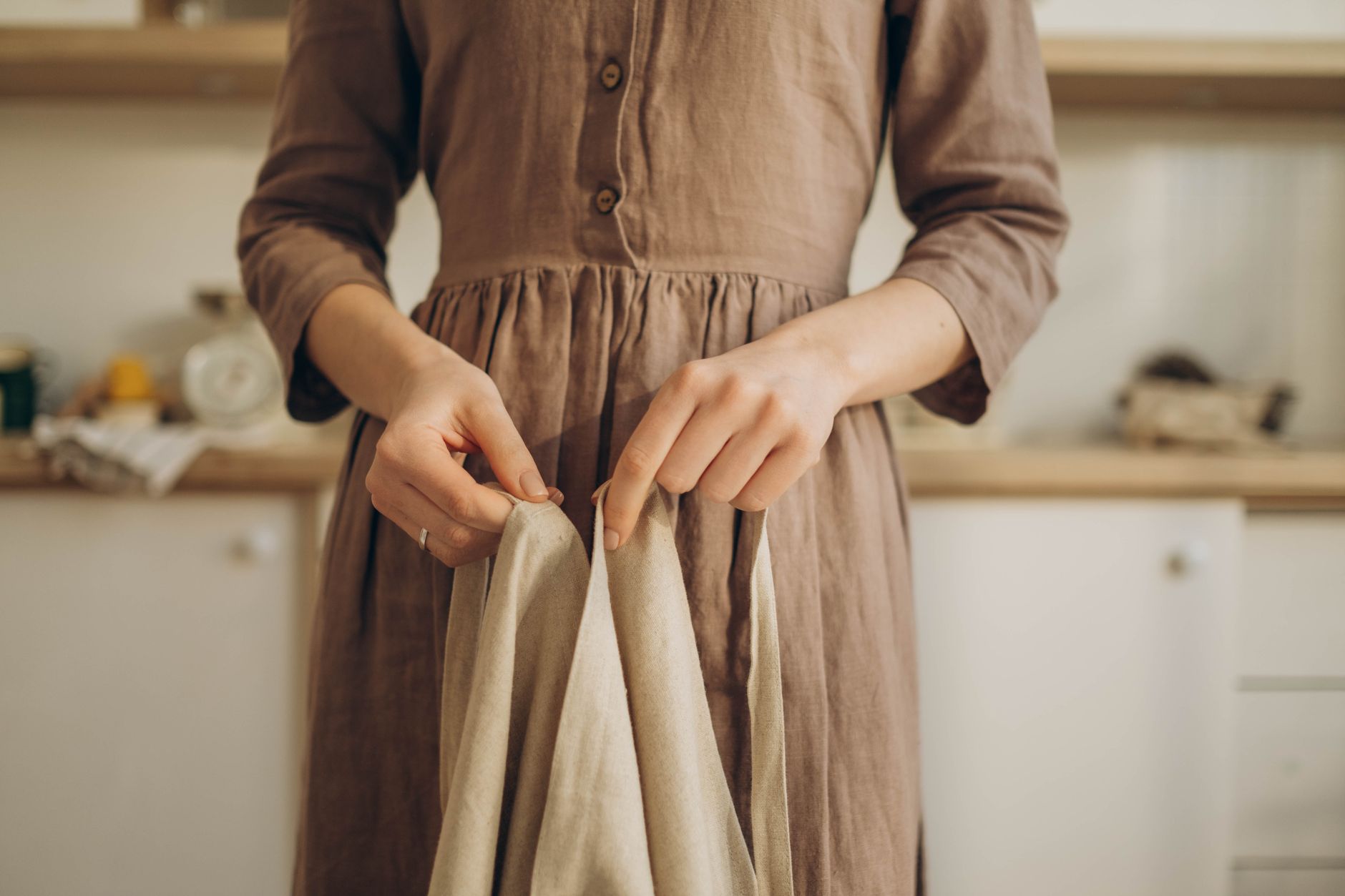
Linen has always had devoted followers, but for years it occupied a particular corner of the wardrobe – beachy, rustic, prone to wrinkling in ways that made office wear feel risky. The shirt dress format changes that calculation entirely. The structure of a collar, a button placket, and a defined hem gives linen a formality it never quite achieved in drawstring trousers or unstructured tunics. The result is a garment that reads as intentional rather than casual, even when you’re doing very little to style it.
The fabric’s natural breathability is doing real work here too. Linen pulls moisture away from the skin and dries faster than cotton in humid heat, which means a linen shirt dress at hour six of a summer day looks considerably better than its cotton counterpart tends to. For anyone who has watched a cotton wrap dress lose its shape by noon – the tie loosening, the fabric clinging, the hem pulling – that practical advantage is hard to ignore.
What the Shift Actually Looks Like
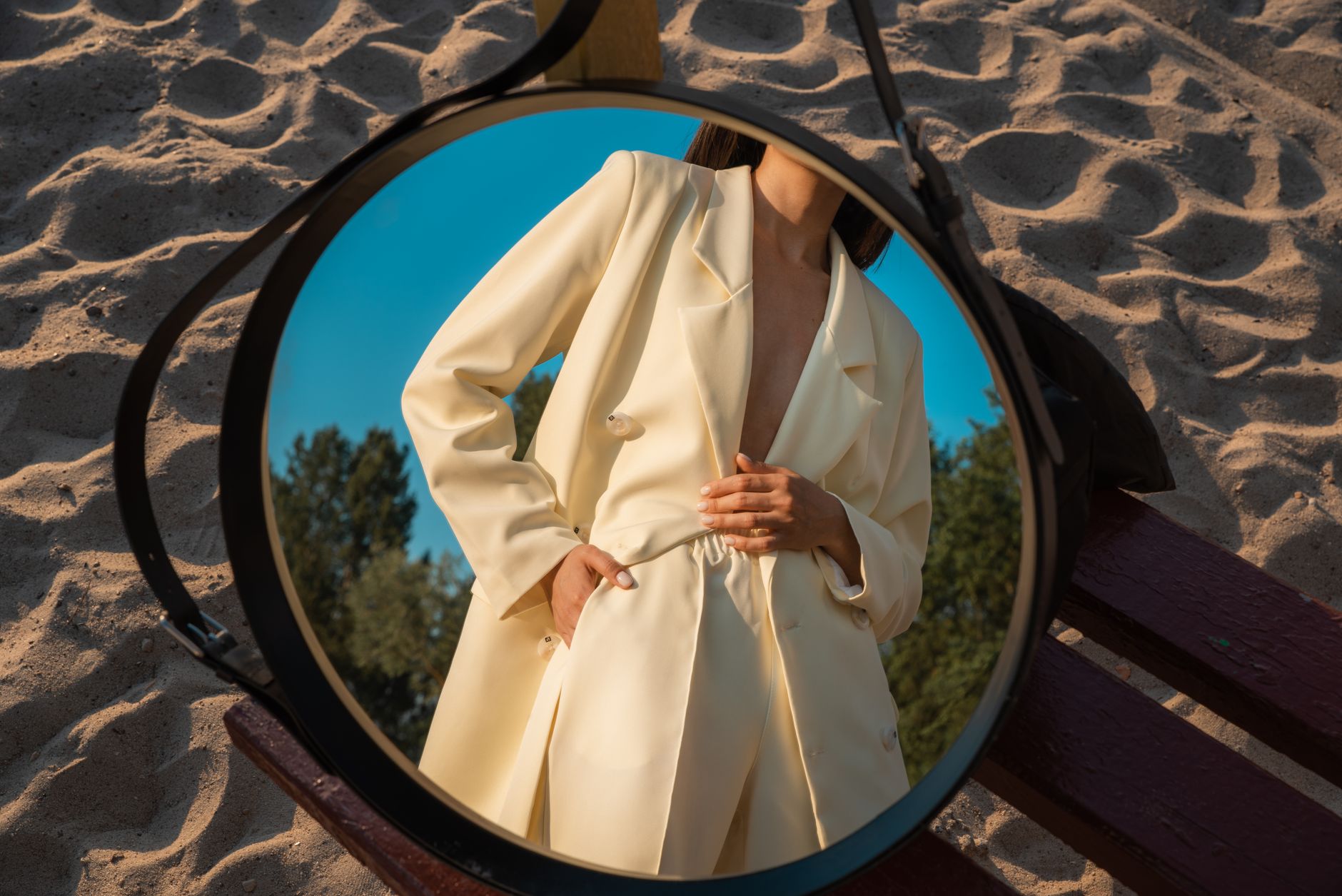
The styling vocabulary around the linen shirt dress is deliberately minimal. A leather belt cinched at the waist to create definition. Flat sandals or loafers rather than wedges. A small structured bag instead of a tote. The look borrows from menswear tailoring without committing to it fully, which is precisely the tension that makes it interesting right now.
Color plays a differently here than it does with wrap dresses. While wraps have historically leaned into prints – florals, abstract patterns, geometric repeats – the shirt dress trend is running largely on solids. Oatmeal, slate blue, olive, white, terracotta. The simplicity of the palette pushes the focus onto cut and fabric quality, which raises the perceived sophistication of the whole outfit even when it involves minimal effort.
Brands at multiple price points are responding to the demand. A growing number of independent labels are releasing linen shirt dresses as hero pieces rather than secondary offerings, investing in details like mother-of-pearl buttons, French seams, and longer back hems. Meanwhile, larger retailers are moving fast to meet the volume, which suggests this is not a niche preference held by a small group of fashion-forward buyers but something with broader traction.
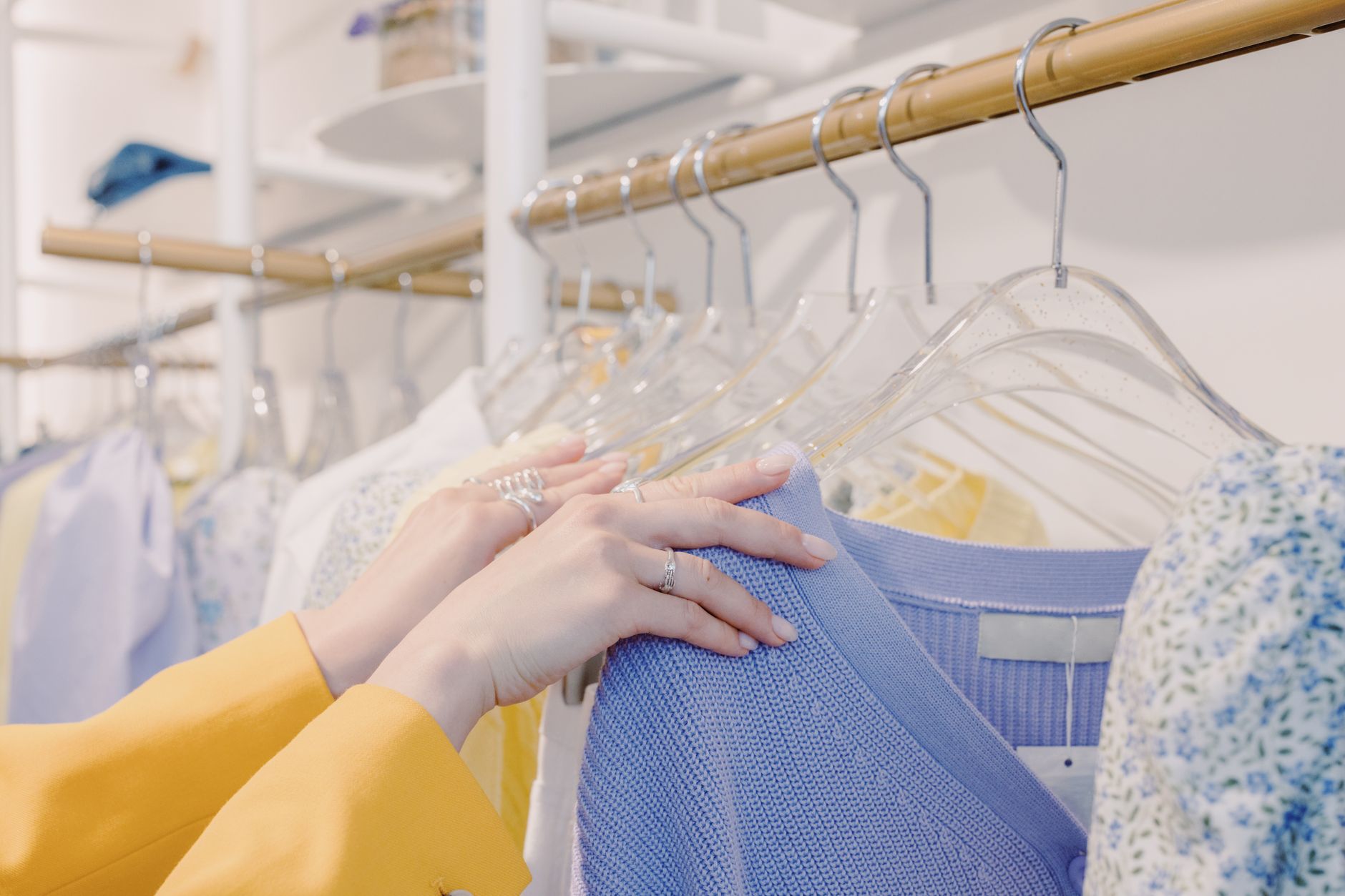
The wrap dress is not disappearing from those same floors and websites. But its placement has shifted – often marked down, moved to the “easy summer” section rather than the front of the layout. Retail positioning is one of the more reliable early signals of where category momentum is actually going.
The Silhouette Question
The wrap dress built its reputation on universality – the adjustable tie made it adaptable to different bodies in a way that fixed sizing cannot always replicate. The shirt dress, by contrast, relies on sizing to do the work, which has historically been its weakness. Brands that are gaining traction right now seem aware of that, offering more size runs in their linen pieces and cutting with enough fabric ease that the dress works across a range without pulling across the shoulders or sitting awkwardly at the hip.
The length question matters too. The most-worn versions landing on social platforms and street-style feeds are hitting at or just below the knee – long enough to feel considered, short enough to stay light. Mini versions exist but are attracting less attention than the midi silhouette, which carries a slightly more grown-up register that feels consistent with the rest of what is selling well this season.
Where This Goes From Here
Autumn will test whether the linen shirt dress holds its ground or retreats to pure warm-weather use. The fabric’s association with summer is strong, but some designers are already showing it in heavier weights – a medium-weight Belgian linen, for instance, layers reasonably well under a blazer or over a long-sleeve top. If that styling direction catches on, the dress could extend its season significantly.
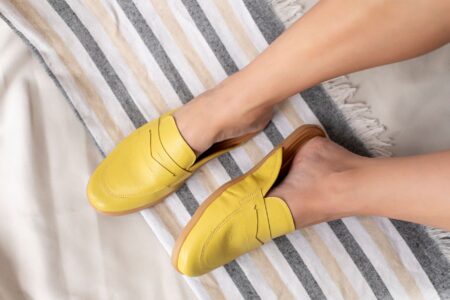
The shoe conversation is relevant here. The linen shirt dress pairs naturally with flat footwear – specifically the kind of ballet flat and simple loafer that has been gaining ground over heeled options generally. The low-heeled, flat aesthetic shares a visual logic with the shirt dress’s relaxed-but-structured character. For anyone already exploring that direction – and the bow ballet flat is increasingly part of that conversation – the linen dress becomes an easy anchor for the whole outfit.
The wrap dress replaced something too, at some point – pushed out the sheath, the sundress, the maxi skirt moment that preceded it. Every reliable wardrobe formula eventually accumulates enough familiarity that it stops generating excitement. The linen shirt dress is arriving at exactly the right time: when the wrap feels finished, but the desire for something easy, flattering, and adaptable has not gone anywhere at all.