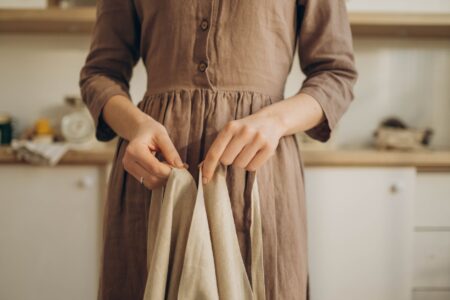


The shirt dress had a long run. Structured, belted, and decidedly practical, it dominated warm-weather wardrobes for the better part of a decade. But a quieter, softer silhouette is now taking its place on rails, runways, and resort hotel pools alike – and it is made of linen.

Why the Linen Maxi Is Winning This Season
The appeal of the linen maxi dress is not accidental. It works because it solves a very specific problem that the shirt dress never quite cracked: how to look dressed without feeling dressed. A maxi cut in linen sits at the intersection of effort and ease – long enough to feel intentional, textured enough to avoid looking like sleepwear, and breathable enough that wearing it in July is not an act of suffering. The shirt dress, by contrast, always required a little management: buttons to check, a collar to straighten, a belt that shifted by noon.
Linen as a fabric has been cycling through fashion credibility for several years now, but this season it has moved past trend status into something closer to wardrobe logic. The maxi length has helped accelerate that shift. Where cropped or knee-length linen felt casual and occasionally sloppy, the maxi version carries a different visual weight. The length adds gravity. It reads as considered, even when thrown on quickly. That combination – fabric that wrinkles beautifully rather than badly, and a silhouette that flatters without structure – is a hard formula to argue against.
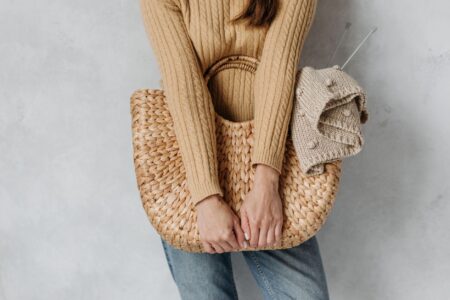
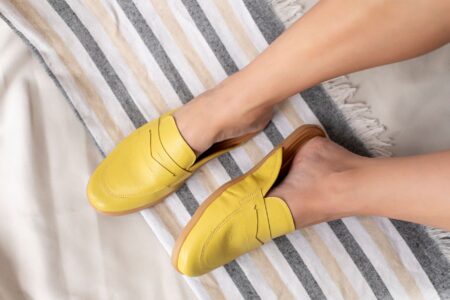
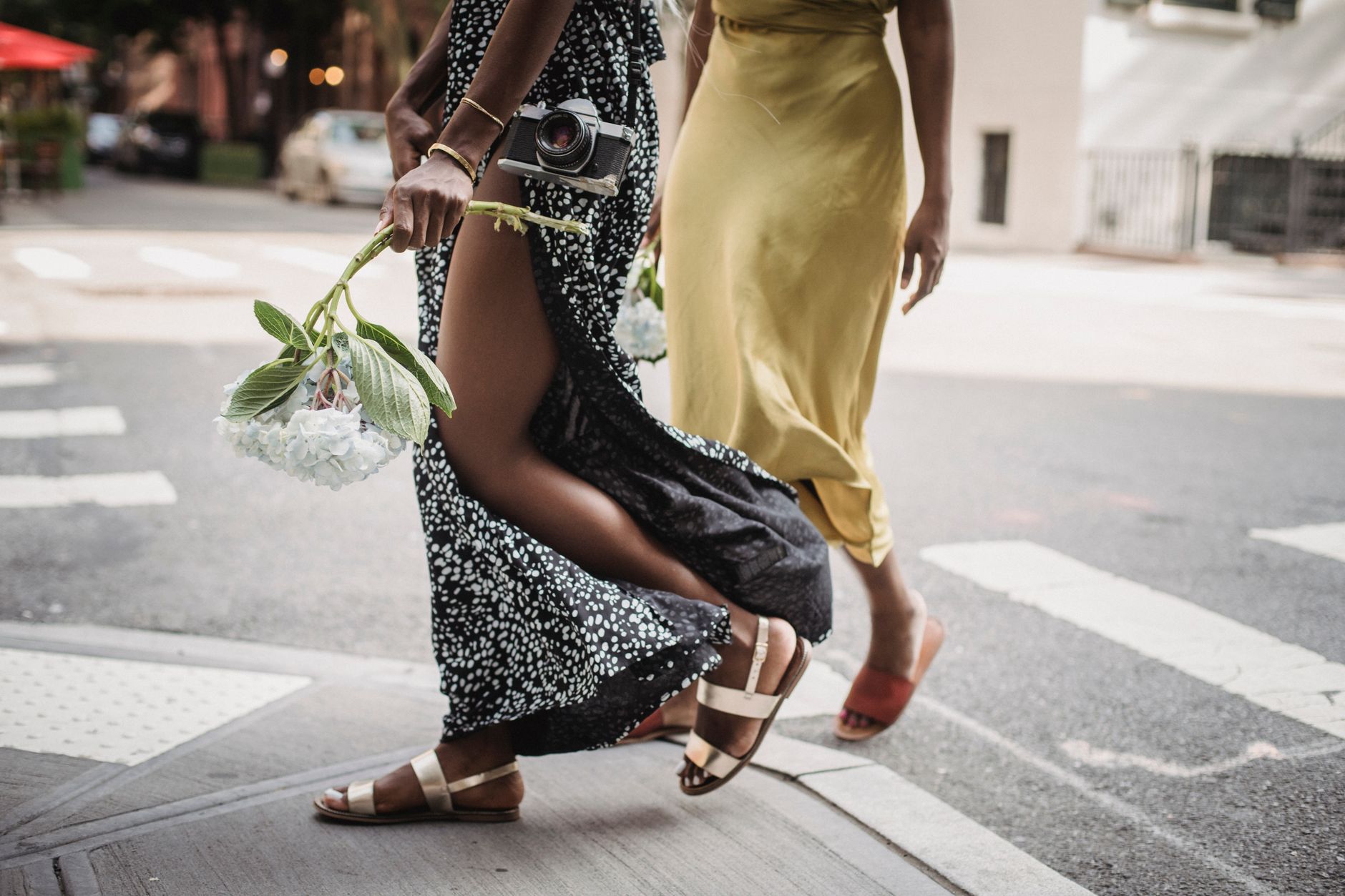
Styling has kept pace with the dress itself. The linen maxi is showing up with flat leather sandals, with kitten heel slingbacks, with woven bags and barely-there gold jewelry. It does not demand a particular shoe the way a shirt dress did – a shirt dress worn too casually read as underdressed, while the same shirt dress with heels risked looking like officewear on a day off. The maxi sidesteps that tension entirely. Almost any shoe works, and that versatility is part of why it has spread so quickly from beach towns to city streets to dinner-out dressing.
Color and print choices this season are also favoring the maxi. Earthy terracottas, dusty sage, washed-out ivory, and soft stripes are all landing better on a longer, less structured silhouette. The shirt dress, at its peak, leaned into bold prints and graphic florals that suited its tailored lines. The linen maxi absorbs quieter, more sun-faded palettes and makes them feel expensive rather than muted. That tonal shift in what colors are selling well tells its own story about where the mood in fashion is moving right now.
How the Shirt Dress Lost Its Edge
The shirt dress did not fall out of favor because it became unfashionable in any dramatic sense. It became too familiar. After years of being the default answer to every warm-weather occasion – the holiday capsule wardrobe staple, the travel outfit, the smart-casual solution for every ambiguous dress code – it stopped feeling like a choice and started feeling like a fallback. Fashion moves when something starts to feel automatic, and the shirt dress had reached that point.
There was also a fit issue that was never fully resolved. The shirt dress looked genuinely good on a narrow range of body types and required more deliberate tailoring to flatter others. The standard silhouette, belted at the waist with a collar and button placket, could read boxy on some frames and tight across the shoulders on others. Ready-to-wear versions at most price points did not always account for that variation, which left a portion of the market lukewarm about the style despite its cultural ubiquity. The linen maxi, with its forgiving drape and lack of hard structure, removes those fit anxieties almost entirely. A looser cut in a fluid fabric does not require the same precision to look right on a range of bodies.
The formalness of the shirt dress also started to work against it. Dress codes have been loosening for years, and the shirt dress – with its references to menswear tailoring and office-adjacent construction – carries a certain association with dressing up rather than dressing well. The distinction matters. Dressing well now often means looking stylish without looking like you are trying to meet a dress code. The linen maxi reads as personal rather than institutional. It suggests a point of view rather than a requirement being met.
Social media has played a role too, though perhaps not in the way most fashion coverage would frame it. The linen maxi photographs well in natural light, in outdoor settings, against old stone walls and on market streets and beside the sea. It suits the kind of image that performs well on visual platforms – unhurried, textured, a little dreamy. The shirt dress, crisper and more structured, suits those settings less naturally. When a garment starts generating more aspirational imagery than its competition, it tends to pull the market behind it.
Brands that built significant shirt dress business are noticeably pivoting. A growing number of mid-range and contemporary labels are leading their warm-weather collections with maxi silhouettes in linen or linen blends, with the shirt dress moved back in the lineup or reworked entirely – softer fabrics, dropped hems, looser collars – absorbing some of the maxi’s DNA. That kind of quiet reformulation is usually a sign that the direction of travel has been decided.
What Comes Next for the Linen Maxi
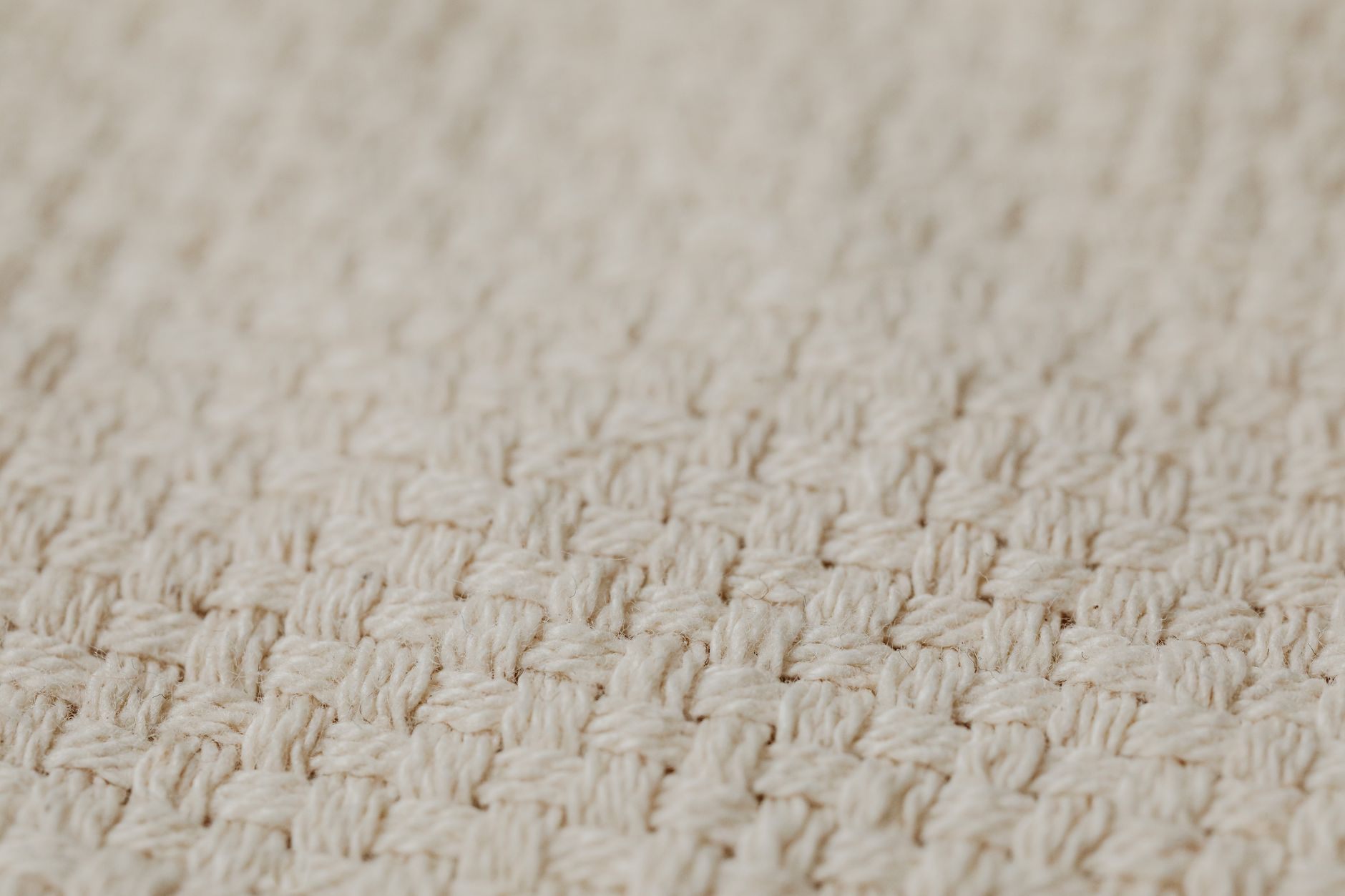
The linen maxi dress has a ceiling, and it is worth being clear about what that is. Linen wrinkles. Badly, in some circumstances. The fabric that looks artfully rumpled at 10 a.m. after a slow morning can look genuinely creased and worn by mid-afternoon in a way that not everyone is comfortable with. Linen blends – mixed with cotton, Tencel, or a small percentage of synthetic fiber – are addressing this, but they also soften the texture that makes the fabric distinctive in the first place. There is a version of this trend that smooths itself out into something that barely resembles linen at all, and that is the point where it risks losing the quality that made it appealing.
For now, the dress that held the top spot is watching from a rail further down the shop floor. Whether the shirt dress stages a return – as tailored things tend to do, once casual hits saturation – depends on whether the appetite for softness and ease is a genuine long-term shift in how people want to dress, or whether the pendulum swings back toward structure as soon as linen starts to feel as automatic as the belted cotton dress it replaced.