



The cotton overshirt had a good run. Relaxed, utilitarian, easy to throw over a T-shirt on a mild morning – it became the default layering piece for a certain kind of dressed-down ease. But something has been shifting quietly on the rails this season, and the linen blazer is the piece doing the pushing.
Why the Linen Blazer Is Winning Right Now
The overshirt’s appeal was always rooted in its informality. It sat below a blazer in the formality hierarchy but above a hoodie, occupying a comfortable middle ground that worked well for years of office-optional dressing. The problem is that middle grounds have a way of feeling safe to the point of invisible. A cotton overshirt in 2025 reads as a wardrobe default rather than a deliberate choice, and that distinction has started to matter to shoppers who want their casual pieces to look considered.
The linen blazer fills that gap in a more interesting way. It carries the structural suggestion of tailoring without demanding much from the wearer – no dry cleaning, no pressing anxiety, no sense that you’ve tried too hard. Linen’s natural texture does the heavy lifting aesthetically. Even an unstructured linen blazer with a relaxed shoulder reads as intentional, which is precisely what gives it an edge over the softer, shapeless silhouette of an overshirt.
There’s also the question of versatility in a narrower temperature window. The overshirt was designed for that specific moment when a jacket feels like too much and a shirt feels like too little. The linen blazer covers the same ground but extends further in both directions. Worn open over a tank top in warm weather, it functions as a lightweight layer. Closed over a fine-knit in cooler evenings, it holds its own as actual outerwear. That range makes it feel like a smarter buy.
Retailers have noticed the momentum. A growing number of high street brands have expanded their linen tailoring sections ahead of the warmer months, while the overshirt rail has quietly contracted. The shift isn’t happening overnight, and the overshirt isn’t disappearing entirely – but its floor space is shrinking, and the linen blazer is occupying the gap.
How the Linen Blazer Is Being Styled
The most common styling approach right now leans into deliberate contrast. A linen blazer in a neutral – oat, sand, ecru, pale sage – worn over a white cotton T-shirt and straight-leg jeans. It’s a formula that works because the blazer’s structure gives the rest of the outfit permission to be completely relaxed. The jeans don’t need to be tailored. The T-shirt doesn’t need to be pristine. The blazer does enough.

What’s also worth observing is how the linen blazer is performing in contexts the overshirt never really cracked. It works for smart-casual events – a garden lunch, a gallery opening, a summer wedding where the dress code says “casual” but the photos will last forever. An overshirt never quite solved that problem. A linen blazer does, without demanding the wearer commit to anything that feels like a suit.
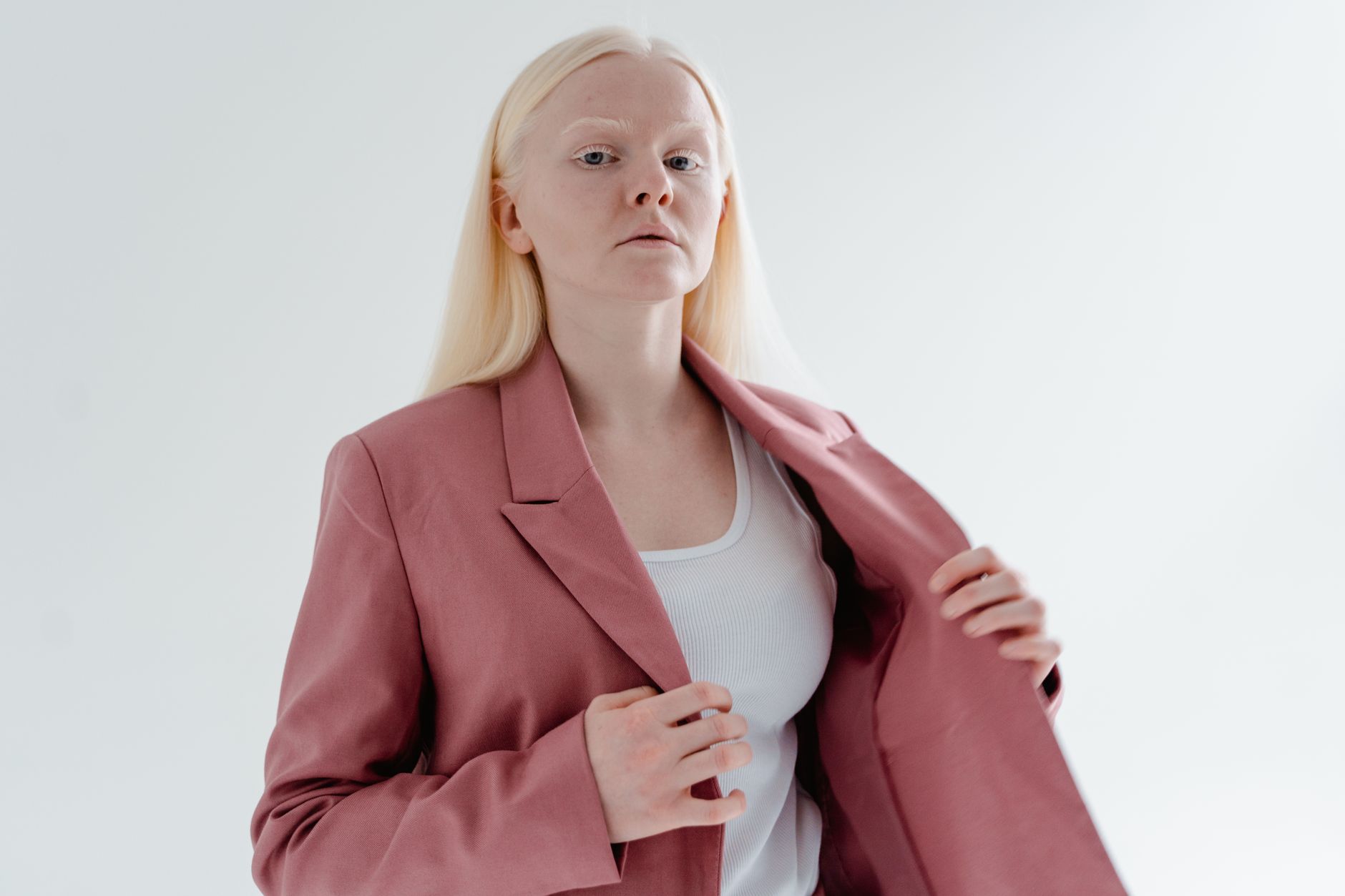
Color is playing a bigger role than it did in previous linen seasons. Beyond the expected neutrals, dusty pinks, warm terracottas, and faded blues are appearing in both women’s and men’s linen blazer ranges. The overshirt often leaned into utility colors – olive, navy, chambray – which over time started to feel workwear-adjacent in a way that limited styling options. The softer, more tonally interesting palette emerging in linen blazers this season opens up more combinations without requiring a complete wardrobe overhaul.
Fit has also evolved. Early iterations of the linen blazer trend skewed oversized to the point of formlessness, which made them harder to sell as a step up from the overshirt. The cuts appearing now are more considered – still relaxed, but with enough shoulder definition and waist-awareness to avoid looking like a linen sack. That adjustment in fit has made a real difference in how the piece photographs, how it looks in-store, and crucially, how it looks on a wide range of body types when customers try it on.
The overshirt, by contrast, has stayed mostly static. The silhouette, the fabric weight, the button-through front – there hasn’t been much evolution, and that stasis has started to show. Fashion doesn’t require constant reinvention, but it does require some. The linen blazer is offering something the overshirt simply isn’t right now: a reason to look again.
What This Means for Summer Wardrobes
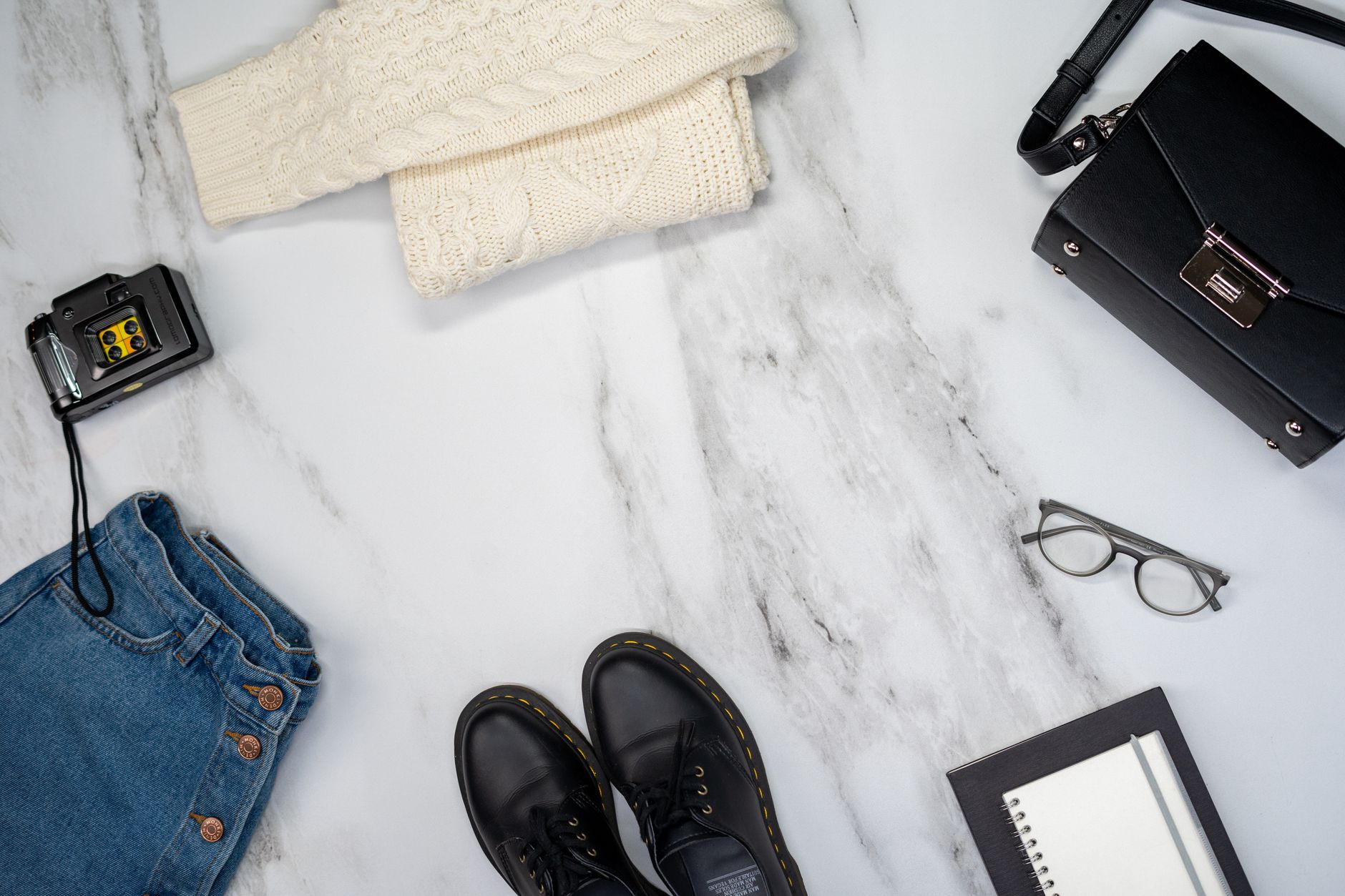
For anyone building out a warm-weather wardrobe this season, the case for investing in a linen blazer over another overshirt is straightforward. It travels well, resists the kind of permanent creasing that makes cotton pieces look tired mid-trip, and pairs with everything from tailored trousers to summer sandals without looking mismatched. It’s also a piece that photographs distinctly – in an era where outfits are documented as much as they’re worn, that visibility matters more than it used to.
The overshirt will find its loyalists, and there are wardrobes where it still makes perfect sense. But the linen blazer is offering something more flexible, more photo-friendly, and frankly more interesting at the same price point – and that combination is a difficult argument to counter when you’re standing in a changing room deciding between the two.
Frequently Asked Questions
Can a linen blazer replace a cotton overshirt in a capsule wardrobe?
Yes – a linen blazer covers the same layering function as an overshirt but works across a wider range of occasions and styling combinations, making it a more versatile single investment.
What colors are trending for linen blazers this season?
Beyond classic neutrals like oat and ecru, dusty pinks, warm terracottas, and faded blues are appearing widely in both men’s and women’s linen blazer ranges this season.