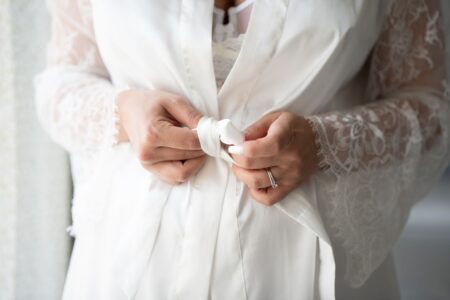



The cotton overshirt had a good run. Loose, breathable, endlessly styled over white tees and tucked into wide-leg trousers, it became the default layering piece for anyone who wanted to look put-together without trying too hard. Now, quietly and without much fanfare, the linen blazer is taking its place.

Why the Shift Is Happening Now
The overshirt’s appeal was always rooted in ease – it asked nothing of you. Button it, leave it open, roll the sleeves, done. But that same formlessness is starting to work against it. As dress codes across offices, restaurants, and social events have grown more intentionally relaxed rather than accidentally casual, people are reaching for pieces that signal effort without requiring a full suit. The linen blazer does exactly that.
Linen as a fabric has never fully fallen out of fashion, but it spent years saddled with a reputation for wrinkles and dad-on-vacation energy. What changed is how designers are now cutting it. Structured shoulders, a slightly cropped hem, and a single-button closure give the fabric a cleaner silhouette than the floppy, oversized shapes of the past. The wrinkle problem hasn’t disappeared – it’s been reframed. A slightly rumpled linen blazer now reads as intentional texture rather than carelessness.
The overshirt, by contrast, has started to feel like it belongs to a specific moment that’s closing. It peaked alongside wide-leg jeans, chunky sneakers, and the broader move toward workwear-adjacent dressing. Those trends haven’t vanished, but they’re softening. As styling choices inch toward something slightly more refined – thinner fabrics, quieter colors, less volume overall – the overshirt’s boxy cut can look heavy and dated next to slimmer trouser silhouettes.
There’s also a seasonal argument for the switch. Cotton overshirts occupy an awkward middle ground: too warm for summer, often too thin for autumn. Linen blazers handle that temperature window more gracefully. Light enough to wear over a tank top in late July, they still carry enough weight to function over a knit in early September. That range matters to anyone building a wardrobe around fewer, more versatile pieces.
How People Are Actually Wearing It
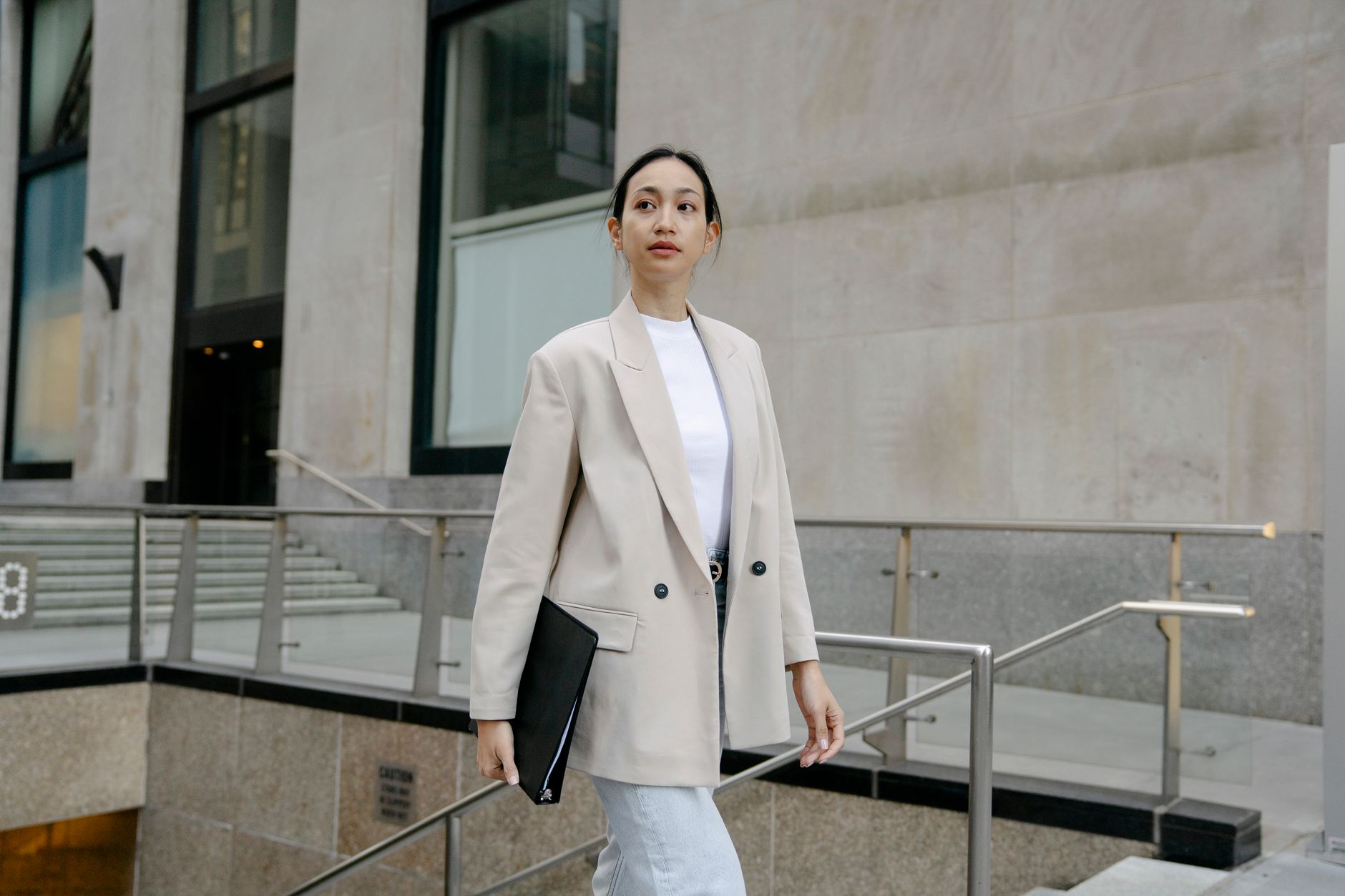
The linen blazer’s real strength is how much styling territory it covers without requiring a wardrobe overhaul. Thrown over a slip dress, it pulls beach or brunch into something that works for an afternoon gallery visit. Paired with tailored shorts and loafers, it occupies the same smart-casual space the overshirt used to claim, but with cleaner lines. The fact that it can go both up and down the formality scale – something the overshirt struggled with – explains a lot of its growing appeal.
Color is doing meaningful work here. The overshirt leaned heavily on utility tones: olive, tan, navy, grey. Linen blazers are appearing in those same shades but also in oat, dusty terracotta, sage, and warm white – hues that feel lighter and more considered. A cream linen blazer over straight black trousers is doing the same casual-elevated job that a tan overshirt used to do, but with a bit more intention behind it.
Men’s styling has absorbed this shift as noticeably as women’s. The linen blazer over a plain white or pale blue shirt, with chinos or even relaxed jeans, has become a reliable uniform for anyone navigating the space between business casual and off-duty. It’s the kind of outfit that photographs well and reads differently depending on what it’s paired with – which is exactly the utility that made the overshirt popular in the first place.
Fit is the variable that determines whether this works or collapses. A linen blazer cut too long or too wide slides back into that dated, shapeless territory the fabric used to be known for. The versions getting the most traction right now sit at the hip or just above it, with a slightly tapered body and sleeves that stop before the wrist bone. That proportional specificity is less forgiving than the overshirt’s one-size logic, but the payoff in polish is worth it.
Accessories are shifting alongside the blazer. The overshirt era leaned into utility accessories – canvas totes, chunky watches, worn leather belts. The linen blazer is pairing more naturally with refined minimalism: a simple chain, a structured small bag, clean-lined sandals or pointed flats. It’s a micro-adjustment in the overall aesthetic that adds up to a noticeably different look. And much like the quiet takeover happening in footwear – where the kitten heel D’Orsay is edging out the pointed-toe mule – the change isn’t about drama, it’s about proportion and refinement.
What This Means for the Overshirt
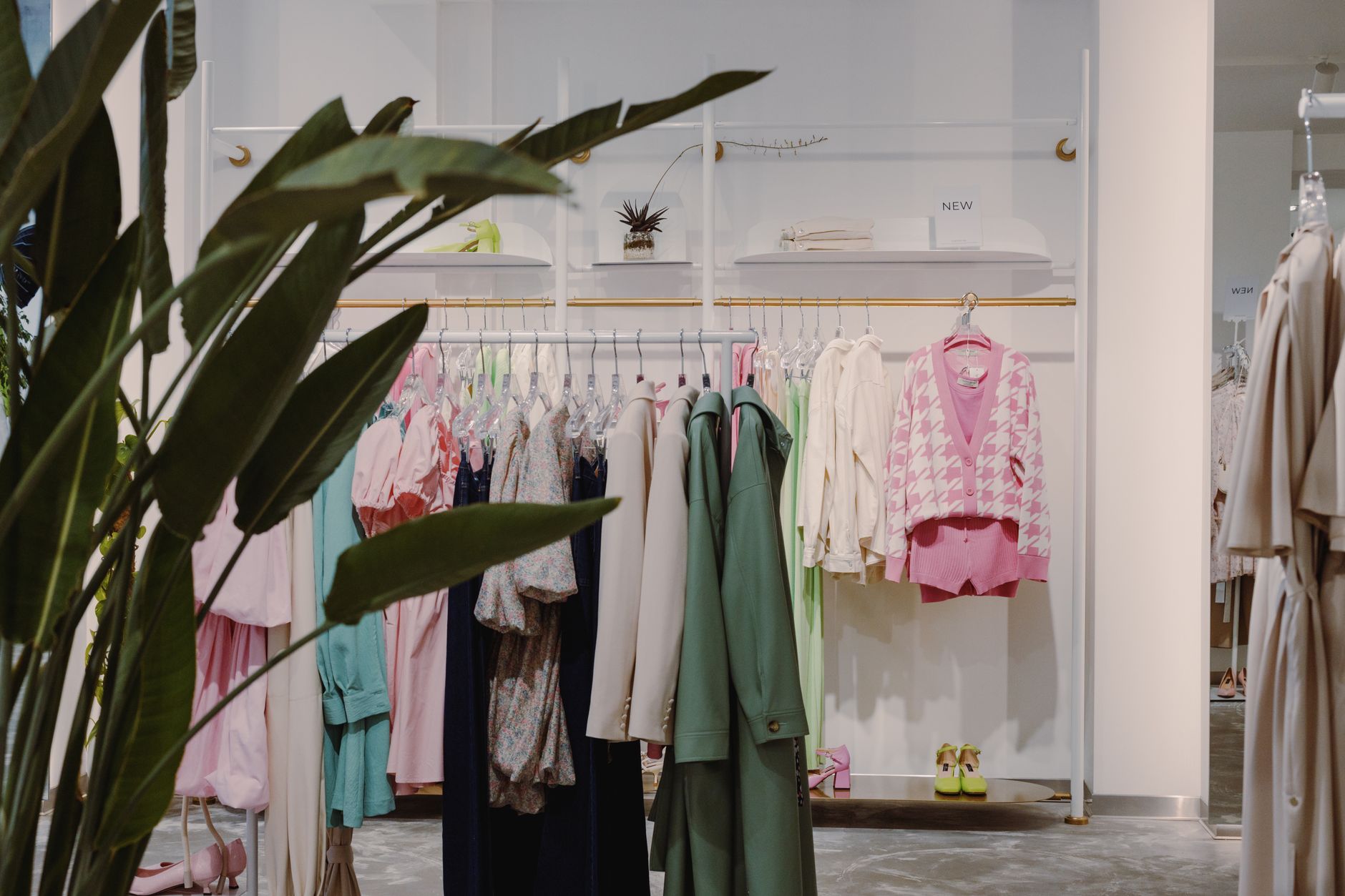
The cotton overshirt isn’t disappearing from closets or stores anytime soon. It remains genuinely useful for casual weekends, travel, and the kind of off-duty dressing where structure would feel out of place. But its moment as the go-to smart-casual layer – the piece people reached for when they wanted to look like they’d made an effort – is passing to something with a bit more shape.
The more interesting question is whether the linen blazer can hold that position through trend cycles, or whether it’s about to peak and slide back toward occasional use. The difference between the two outcomes comes down to how broadly it gets adopted – once a piece moves from style-forward circles into mass retail at every price point, the clock usually starts ticking. Several mid-market retailers already have their versions on floor, priced well under what the fashion crowd is paying. Whether that kills the appeal or simply confirms it as a genuine wardrobe staple is the open question this season hasn’t answered yet.