


The Flat That’s Taking Over
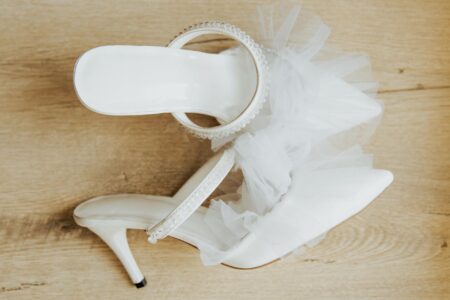
Strappy sandals have ruled warm-weather dressing for the better part of a decade – barely-there silhouettes, toe rings, thin ankle ties that photograph beautifully and feel like an afterthought by 3pm. But something is shifting on the street, in the editorials, and quietly across the shoe sections of every retailer worth watching. The lace-up flat is back, and it isn’t positioned as a trend. It’s positioning itself as a replacement.
The style in question isn’t the gladiator sandal of the early 2010s, nor the clunky lace-up boot of the mid-2010s grunge revival. What’s gaining ground now is something more considered: a flat shoe with structured lacing that sits closer to an Oxford or a ballet flat than to anything that reads as seasonal or costume-y. It looks intentional. It reads as put-together without trying. And that combination is proving harder to ignore than expected.
Why the Strappy Sandal Started to Slip
The strappy sandal peaked when minimalism peaked. Clean lines, exposed skin, a certain effortless quality that aligned with the mood of fashion in the mid-to-late 2010s. The problem is that fashion’s mood has changed, and the strappy sandal hasn’t adapted particularly well. It still looks like summer 2017 in a lot of contexts – which isn’t a compliment in 2025.
There’s also a practical argument gathering force. A shoe built almost entirely from thin straps offers very little support, very little visual weight, and requires a specific kind of outfit to carry. It doesn’t layer well. It doesn’t transition into autumn. It struggles with anything below ankle length in terms of trouser or skirt styling. In short, it’s a specialist tool that fashion is increasingly less interested in building entire wardrobes around.
What the Lace-Up Flat Actually Offers
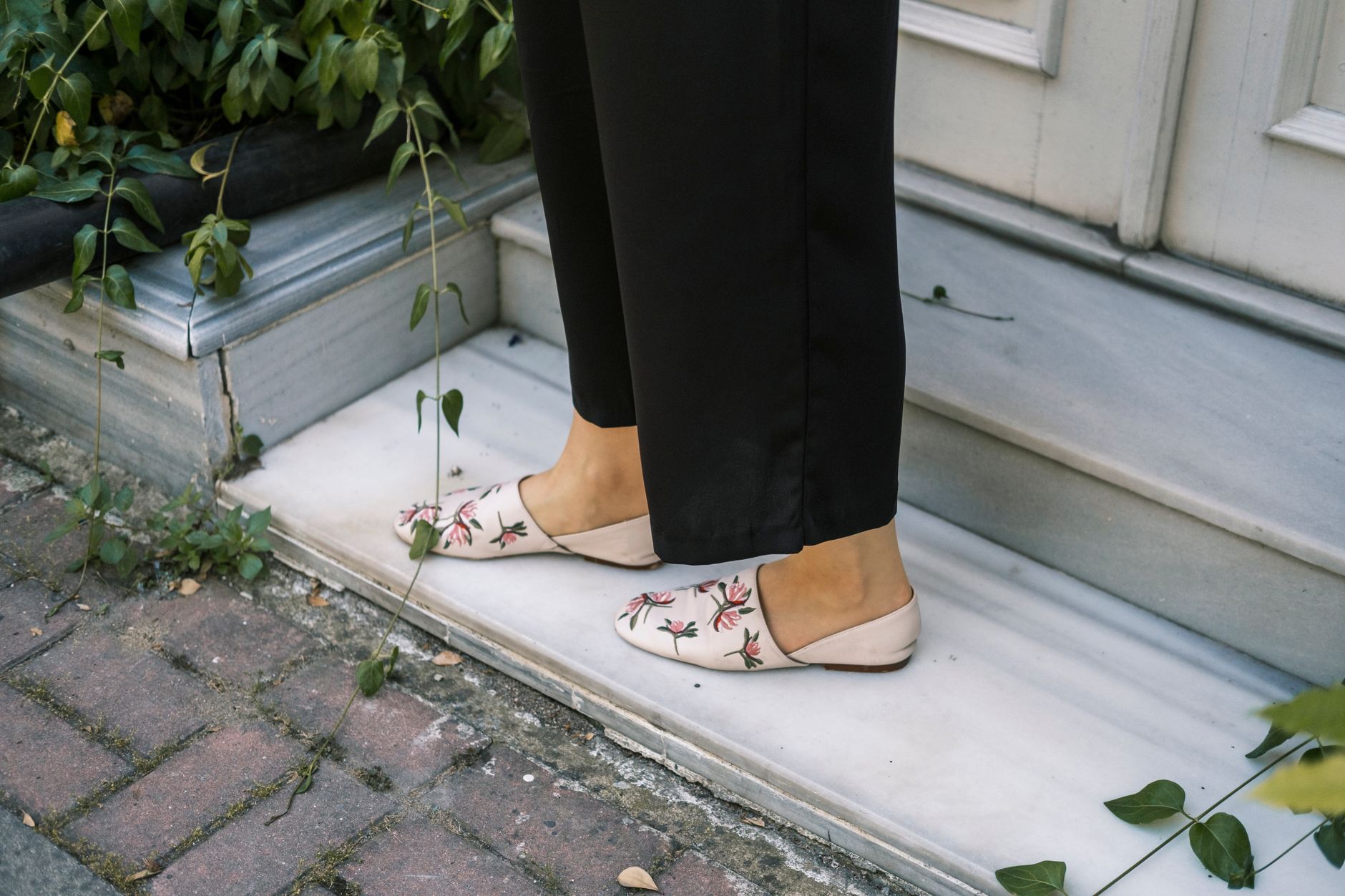
The appeal of the lace-up flat is partly aesthetic and partly architectural. The lacing creates visual interest without adding height or bulk, which means the shoe works across a wider range of outfits than its strappy predecessor. Pair it with wide-leg trousers and the lacing detail peeks out at the ankle. Wear it with a midi skirt and the shoe grounds the look rather than disappearing beneath it. Wear it with cropped denim and it reads almost like a sneaker – casual but deliberate.
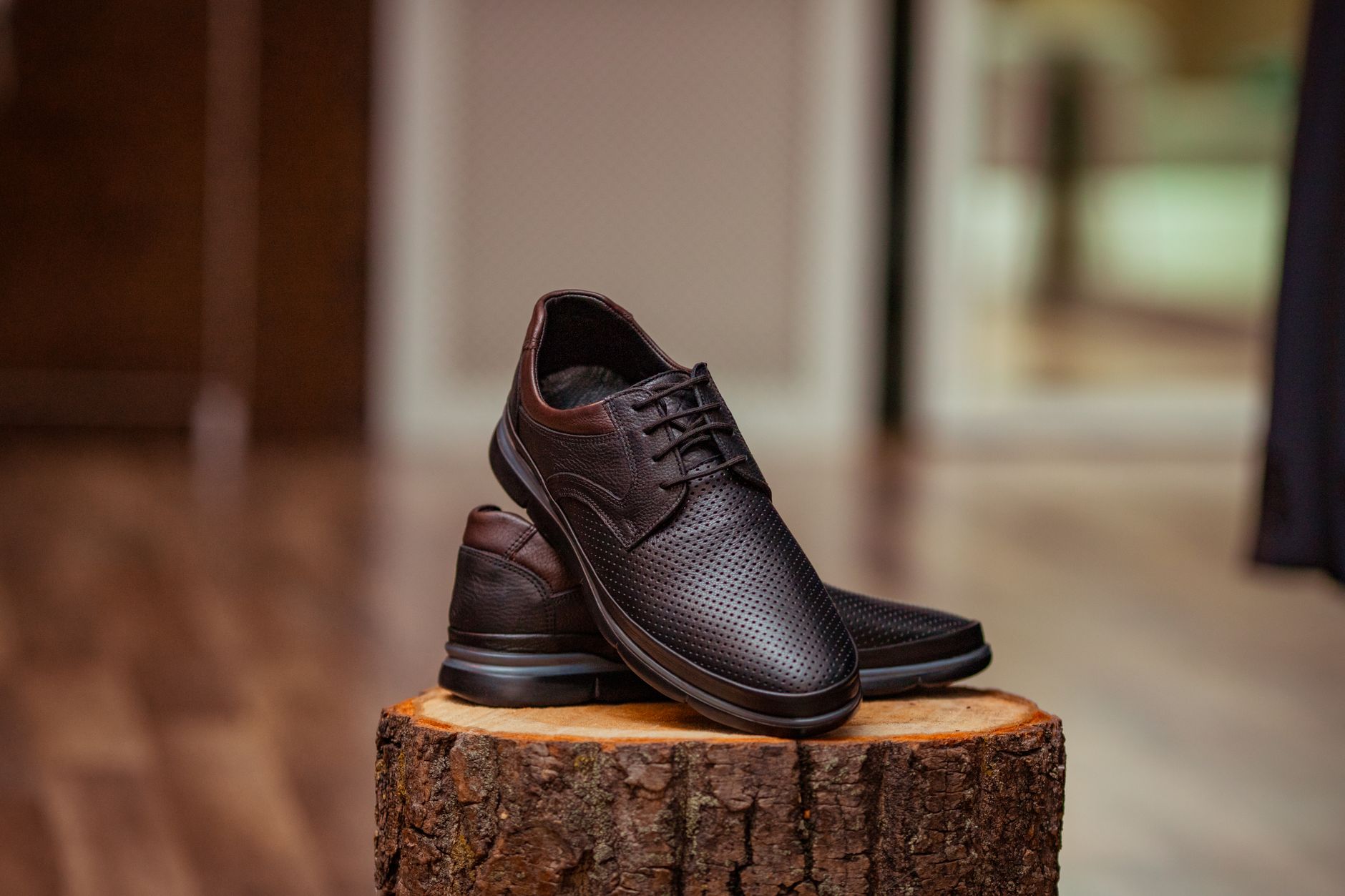
The silhouettes appearing most consistently right now sit somewhere between a Mary Jane and a traditional Oxford. The toe is often almond-shaped or slightly squared – not aggressively so, but enough to feel modern. The lacing is sometimes asymmetrical, sometimes central, sometimes wrapping around the ankle. The material ranges from smooth leather to suede to canvas, which keeps the shoe from feeling like a single-season investment.
Color is where the trend gets interesting. While strappy sandals leaned heavily on nude, tan, and metallic – colors designed to elongate the leg by blending into the skin – lace-up flats are showing up in black, ivory, burgundy, and forest green. The shoe is no longer trying to disappear. It wants to be noticed. That confidence in the silhouette suggests something about where fashion’s priorities currently sit: less about the illusion of effortlessness, more about deliberate choice.
This shift toward footwear with presence connects to a broader move away from “quiet” dressing in the accessories category specifically. Bags have gotten bigger and more structured. Belts are back and visible. Shoes are expected to do work as a look’s anchor, not just its footnote. The lace-up flat fits that expectation well – it has enough detail to register as a choice without overwhelming the rest of the outfit.
How It’s Being Styled Right Now
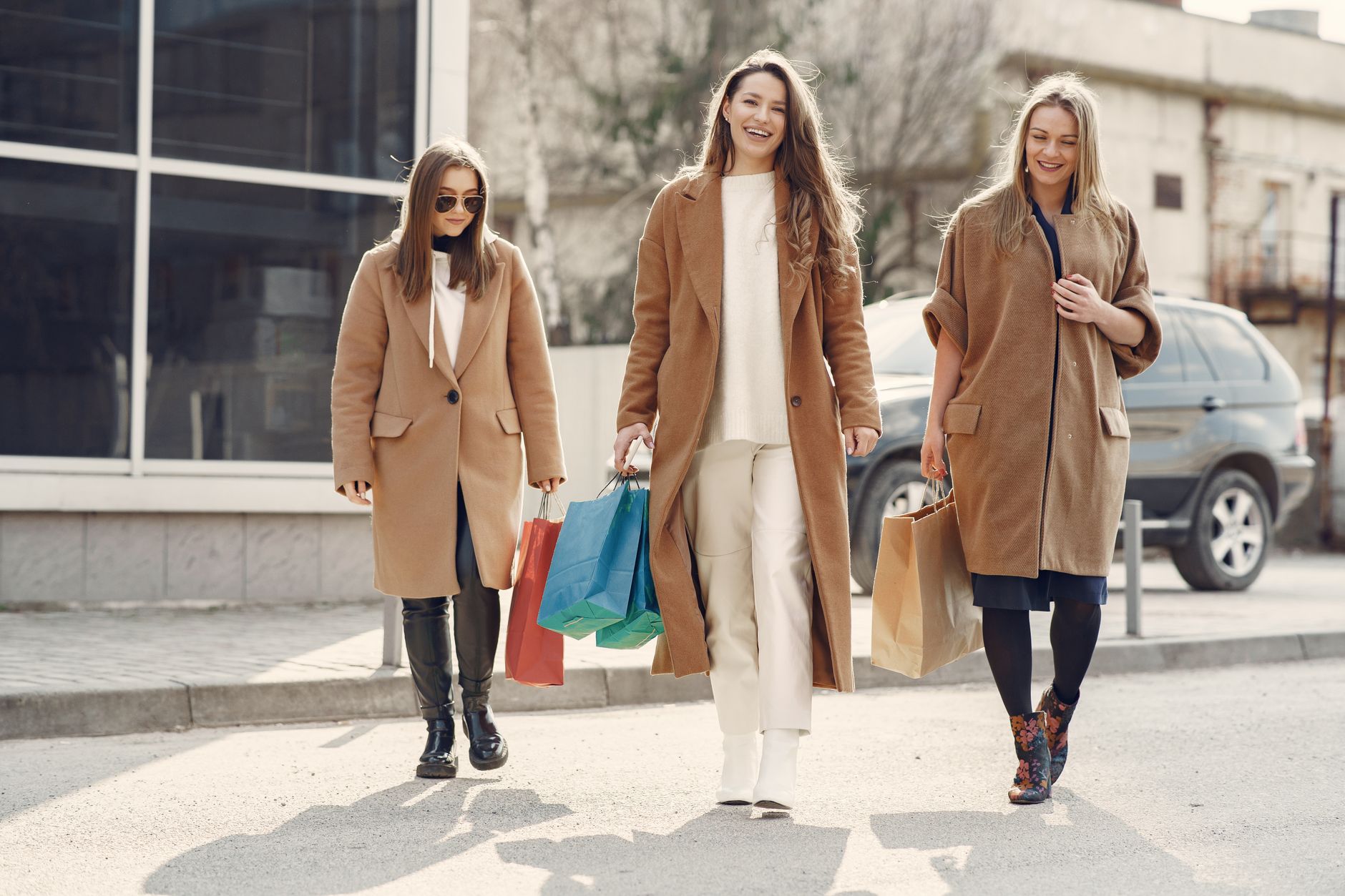
The most common pairings appearing across street style coverage and editorial shoots involve either very relaxed tailoring or very feminine silhouettes – two ends of the spectrum that the shoe bridges unexpectedly well. A slouchy suit with a lace-up flat in black reads as sharp and slightly androgynous. The same shoe with a floral slip dress pulls the look back toward the ground and away from the floaty quality that strappy sandals tend to amplify.
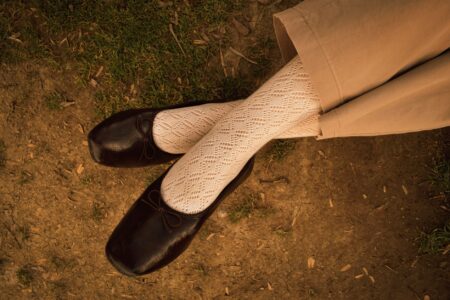
Sock styling is making it more versatile still. A sheer ankle sock or a low crew sock worn with a lace-up flat was a combination that felt eccentric a few years ago. Now it reads as deliberate and fashion-forward. The sock adds texture, breaks the silhouette slightly, and allows the shoe to function across more months of the year – which matters when people are thinking about cost-per-wear more carefully than they were a decade ago.
The Brands Reading the Room
Independent footwear labels and heritage brands alike are expanding their lace-up flat offerings. The styles selling through fastest tend to be those with cleaner lacing – fewer eyelets, a more minimal construction – which suggests the customer wants the detail without the complication. Heavily decorated versions, those with braiding or chain elements woven into the lacing, are moving more slowly.
Price points are climbing relative to the category average. A well-made lace-up flat is retailing consistently above where strappy sandals landed for comparable materials, partly because the construction is more involved and partly because demand is currently outpacing the more established styles. Leather versions from smaller European-made labels are particularly popular at the higher end, where the craftsmanship argument carries real weight with buyers. The knit ballet flat drew a similar customer when it first started edging out the leather loafer – someone who wants comfort and personality in the same shoe without sacrificing either.
What remains unresolved is whether the lace-up flat can fully capture the resort and vacation wardrobe where the strappy sandal still reigns. Poolside, on a boat, in extreme heat – the case for a shoe with more structure and more coverage becomes harder to make. That’s the corner of the market the strappy sandal may hold onto, not because it’s the better shoe in most contexts, but because some contexts still ask for as little shoe as possible.