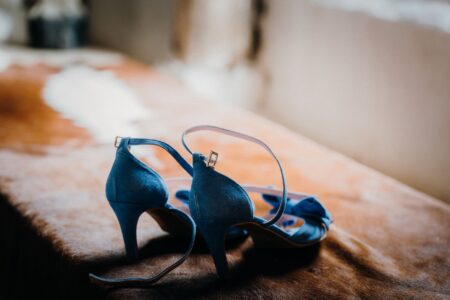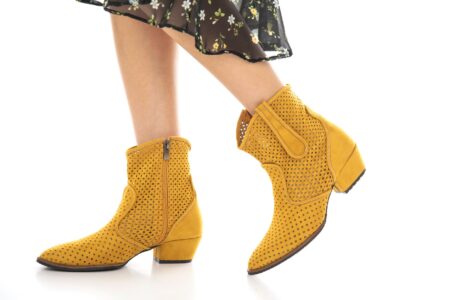



The strappy flat had a good run. For several seasons it served as the sensible, stylish answer to heel fatigue – easy to pack, easy to wear, easy to pair with nearly anything. But something has shifted on the shop floor, and the kitten heel sandal is taking its place without much fanfare.
A Small Lift With a Big Impact
The kitten heel sandal sits at a specific intersection that fashion tends to circle back to every few years: femininity without fuss, elevation without pain. The heel itself – typically between one and two inches, tapered or block – adds just enough height to elongate the leg and change the posture slightly, but not enough to make a cobblestone street feel like a minefield. That calibrated middle ground is exactly what’s driving the current appetite for it.
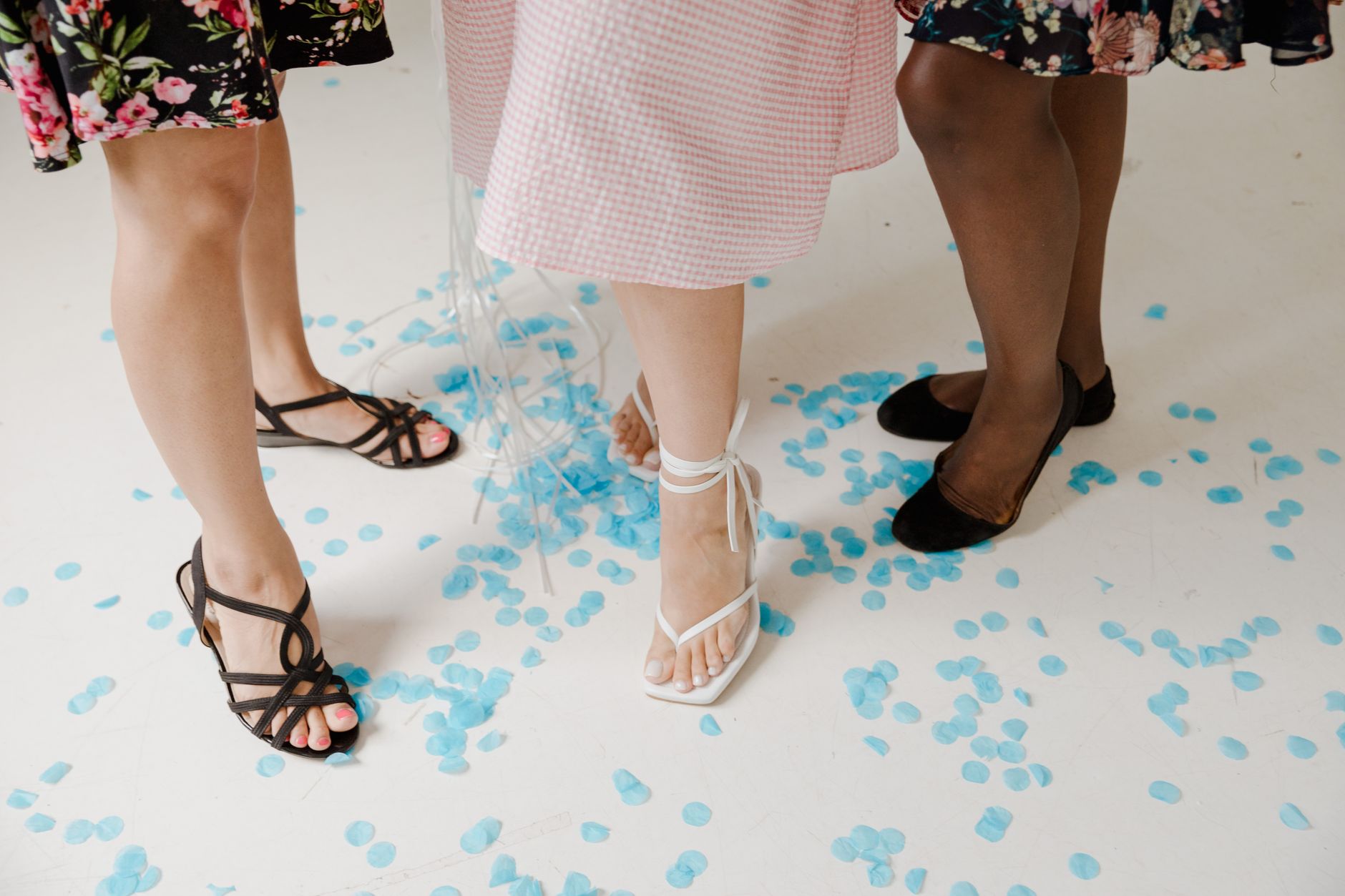
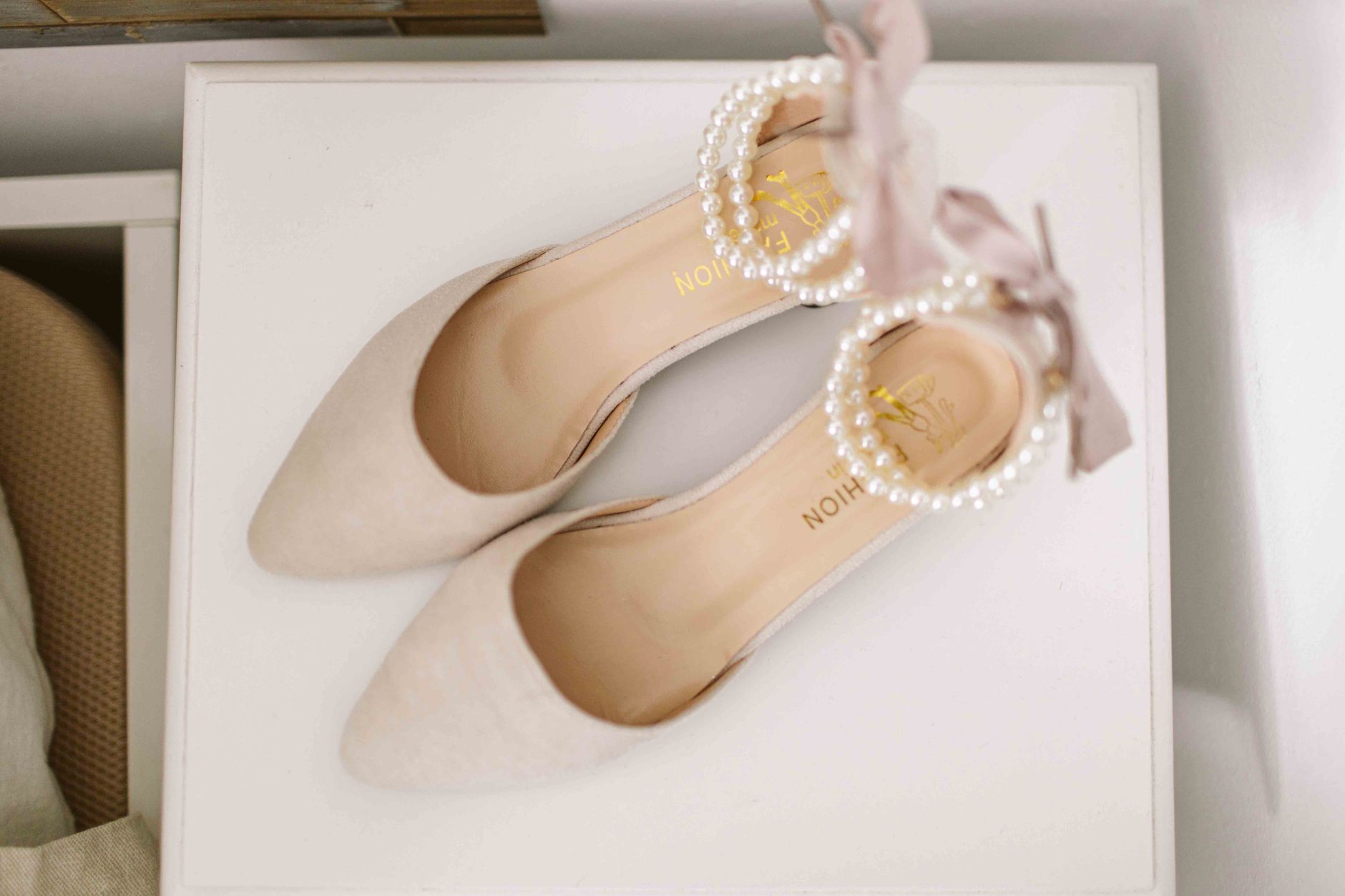
What’s changed this season is the silhouette of the sandal portion. Designers are pairing the kitten heel not with the delicate ankle straps of previous iterations, but with wider toe straps, architectural crisscross detailing, and mule-style open backs. The result is a shoe that feels modern rather than retro, even if the heel height itself is borrowed from the 1950s. This is not your grandmother’s court shoe with a slightly lower heel – it’s genuinely rethought footwear.
The strappy flat, by contrast, has started to feel like it’s running out of ideas. There are only so many ways to arrange thin leather straps across a flat sole before the category starts repeating itself. Brands that built strong summer lines around strappy flats are quietly introducing kitten heel versions of the same designs, testing how shoppers respond. The response, based on early sell-through patterns at mid-range and luxury retailers, appears to be positive.
This is also a comfort conversation, not just an aesthetic one. Many women who spent years avoiding heels entirely have discovered that a one-inch kitten heel, particularly on a well-constructed sandal with proper arch support, doesn’t register as a heel in any meaningful way. The shoe functions closer to a flat in terms of wearability, but delivers the visual payoff of added height. That combination is difficult for the strappy flat to compete with.
How the Kitten Heel Sandal Became the Season’s Quiet Standout
Part of what makes the kitten heel sandal’s rise interesting is how undramatic it has been. There was no single red carpet moment, no viral pairing with a particular outfit, no celebrity-driven launch that pushed it into the mainstream overnight. It has arrived through accumulation – styling choices, street style photography, and a gradual sense among shoppers that the flat they bought two summers ago looks slightly less current than it did.
Neutral colorways are leading the charge. Bone, sand, cognac, and classic black kitten heel sandals are outselling bolder options, which suggests shoppers are buying these as genuine wardrobe staples rather than statement pieces. That’s a meaningful distinction. When a shoe sells in beige, it’s selling as a replacement for something else – in this case, the strappy flat that used to occupy the same wardrobe slot.
The styling versatility of the kitten heel sandal is doing a lot of work here. It pairs with tailored trousers in a way that a strappy flat rarely achieves without looking underdressed, and it works under a midi dress without competing with the hemline. Denim styling – one of the more reliable indicators of what shoe is winning a given season – has tilted noticeably toward the kitten heel sandal, particularly with straight-leg and wide-leg cuts where the slight heel creates a cleaner line at the ankle. This is also part of a broader quiet-heel moment: the kitten heel slingback has been making similar inroads against the pointed-toe flat, suggesting the heel height itself, not just the sandal format, is having its season.
Price point is another factor worth examining. Kitten heel sandals tend to carry a slightly higher retail price than comparable strappy flats, partly because the construction is more involved and partly because the category skews toward brands with stronger leather craft credentials. But shoppers seem willing to absorb that difference. A shoe that functions across more occasions – day meetings, outdoor dinners, weekend events that require something slightly more polished than casual – effectively costs less per wear, and that logic is not lost on the buyer who’s grown more deliberate about what she adds to her closet.
Color and material experimentation is also more active in kitten heel sandals right now than in the flat category. Metallic leathers, woven straps, and square-toe adaptations are appearing across a range of price points, from accessible high street brands to independent designers working in small runs. The flat, by comparison, has become slightly conservative in its material choices – a sign that the category has matured past its moment of peak creative energy.
What This Means Going Forward
The strappy flat is not disappearing. It’s too practical, too packable, and too beloved by a specific type of traveler and minimalist dresser to vanish from shelves. But its position as the default warm-weather shoe – the one women reach for when they want something polished but effortless – is no longer guaranteed. The kitten heel sandal is making a credible case that it can do the same job with slightly better results.
The interesting question for next season is whether the kitten heel sandal holds this position or tips into overexposure. Shoes that win quietly often do so because they fill a genuine need rather than a manufactured trend moment – and genuine need tends to sustain longer than buzz. But the speed at which brands are expanding their kitten heel sandal offerings means the market could saturate faster than the category’s organic growth would suggest. A shoe this versatile deserves more than one season to prove itself, but fashion rarely waits for permission.