



Musicians are ditching digital releases and betting everything on 12-inch plastic discs. While streaming dominates the music landscape, a surprising number of artists are choosing to release albums exclusively on vinyl first, forcing fans to dust off their turntables or visit record stores for the complete listening experience.
This vinyl-first strategy represents a dramatic shift from the industry’s digital-first mentality. Artists like Jack White, Arctic Monkeys, and Phoebe Bridgers have all experimented with vinyl-exclusive releases, creating artificial scarcity that drives both sales and cultural conversation. The approach taps into vinyl’s resurgence while challenging the instant-access culture that streaming has created.
Record sales data supports this bold strategy. Vinyl sales reached 43 million units in 2022, marking the 16th consecutive year of growth according to the Recording Industry Association of America. More telling is that vinyl now accounts for 71% of all physical music sales, creating a market ripe for exclusive releases that can command premium prices and generate significant buzz.
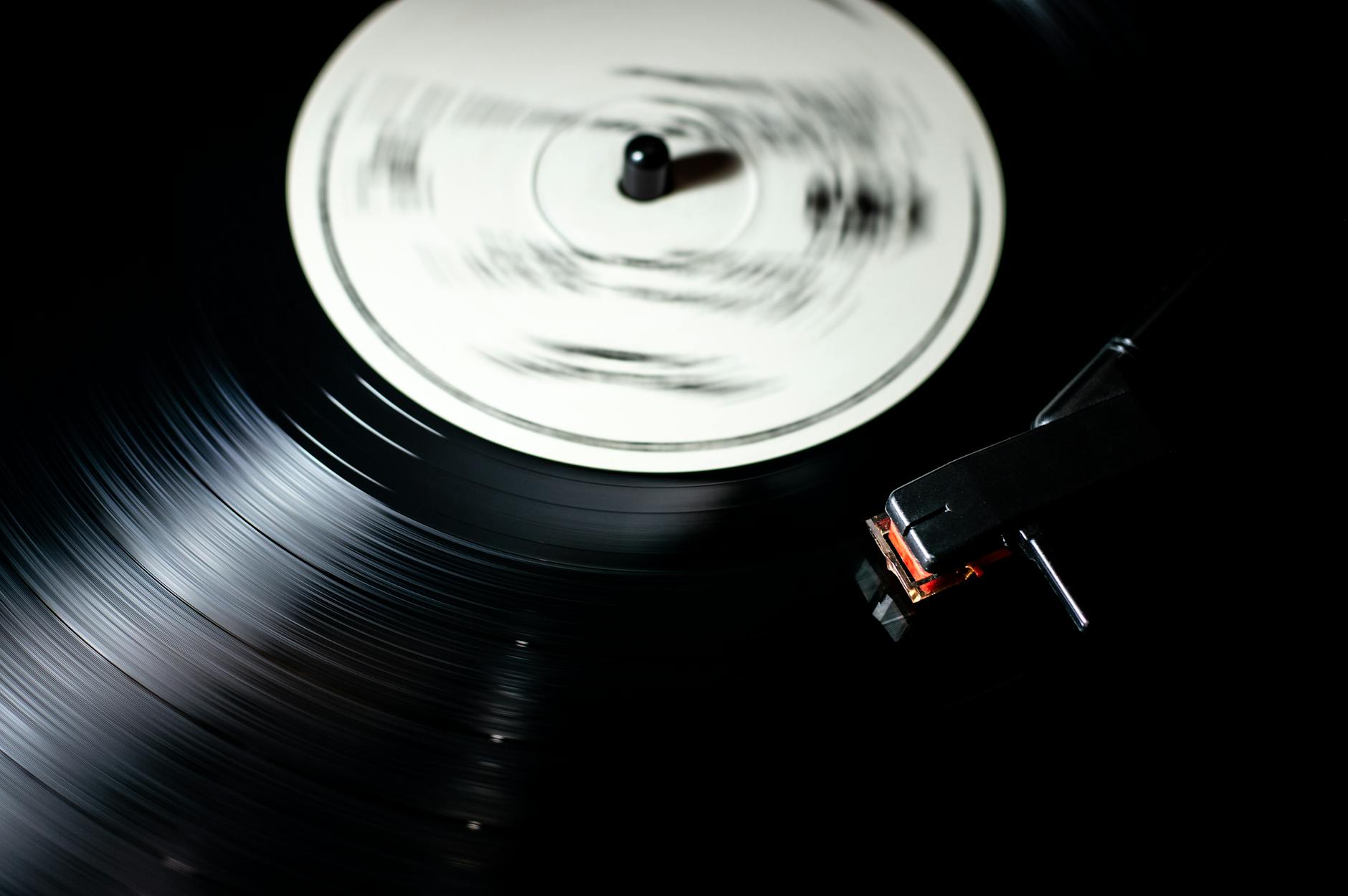
The Economics Behind Vinyl Exclusives
The financial math of vinyl exclusives makes compelling sense for certain artists. Limited vinyl pressings typically sell for $25-40, compared to $10-15 for standard releases. When Arctic Monkeys released “The Car” as a vinyl exclusive for the first 48 hours, pre-orders sold out within hours, demonstrating the pent-up demand for physical music experiences.
Independent artists particularly benefit from this model. Clairo’s “Sling” generated substantial revenue through vinyl-first releases, allowing her to maintain creative control while building a dedicated fanbase willing to invest in physical media. The model works because vinyl buyers tend to be more engaged fans who purchase multiple variants and limited editions.
Record labels are taking notice. Smaller labels like Matador Records and Sub Pop have built entire marketing campaigns around vinyl exclusives, using colored variants, special artwork, and limited pressings to create collectible items that transcend simple music consumption. These releases often include download codes, bridging the gap between physical and digital ownership.
The production constraints of vinyl manufacturing also create natural scarcity. With pressing plants backed up for months, artists who commit to vinyl-first releases must plan far in advance, but this limitation becomes a marketing asset. Fans know that missing a vinyl exclusive often means waiting months for a general release.
How Artists Are Reimagining Album Rollouts
Traditional album rollouts followed predictable patterns: single releases, streaming debut, then physical copies weeks later. Vinyl-first artists are flipping this script entirely. Tyler, The Creator experimented with this approach on “Igor,” releasing limited vinyl editions that included tracks not immediately available on streaming platforms.
The strategy forces fans to engage differently with new music. Instead of instant streaming gratification, listeners must actively purchase the album, creating a more intentional relationship with the music. This mirrors how albums were consumed in vinyl’s original heyday, when buying a record was a commitment and discovery happened through repeated listening.
Social media amplifies the vinyl-first approach. Instagram and TikTok are flooded with unboxing videos, turntable shots, and vinyl collection displays. Artists like Billie Eilish have leveraged this visual culture, creating Instagram-worthy packaging that fans eagerly share, generating organic marketing that traditional digital releases rarely achieve.
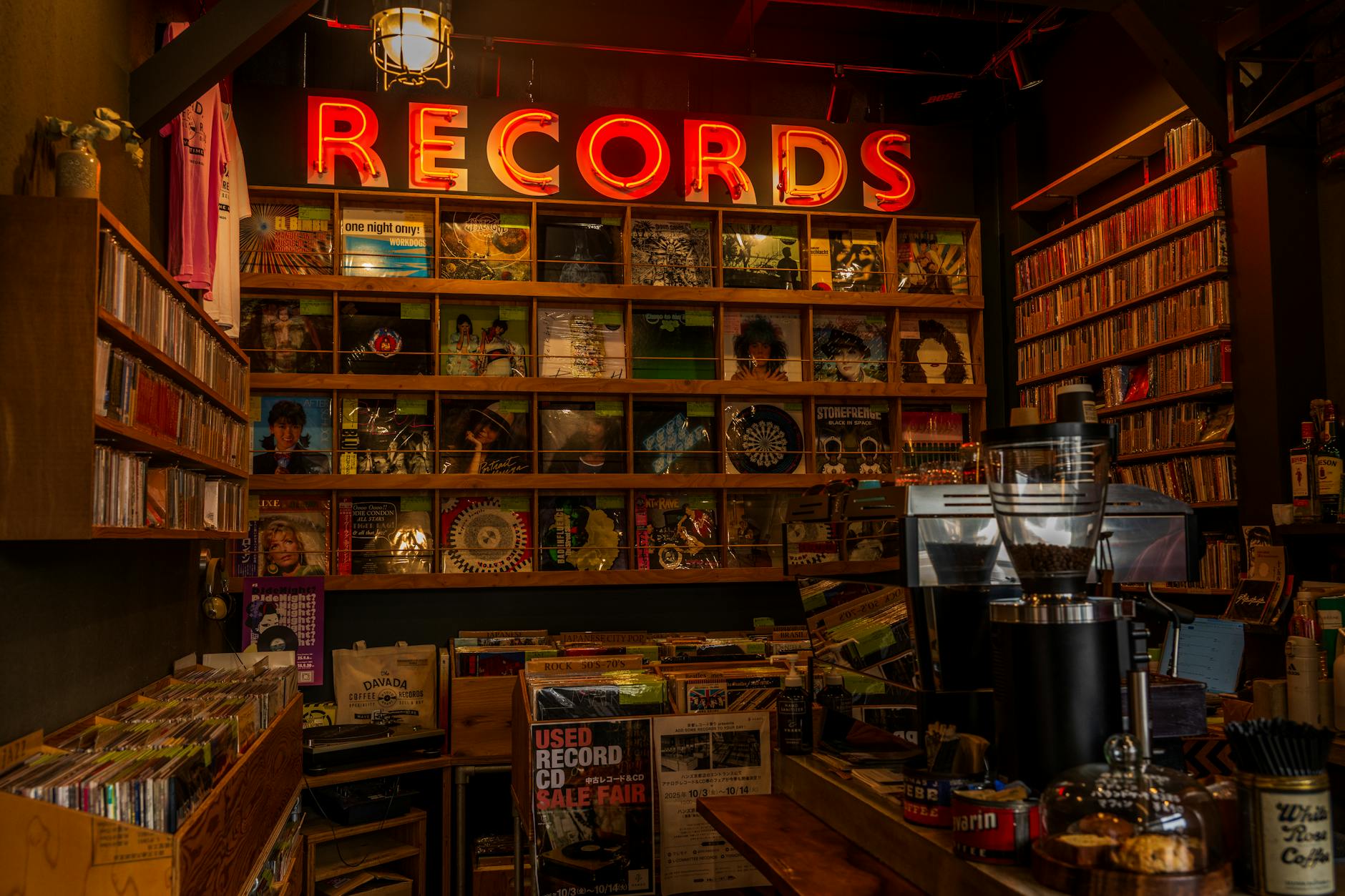
Record Store Day has become a crucial platform for vinyl exclusives. The annual event, held in April, sees artists releasing special editions available only at independent record stores. Foo Fighters, Pearl Jam, and countless others use Record Store Day to test vinyl-exclusive concepts before broader releases. The event regularly generates lines around blocks and social media frenzies.
Some artists are taking the concept further by partnering directly with specific record stores. Mac DeMarco worked with Amoeba Music for exclusive pressings, while King Gizzard & The Lizard Wizard has built an entire business model around limited vinyl variants sold through their own channels and select retailers.
The Collector Culture Driving Demand
Vinyl collecting has evolved from nostalgic hobby to serious investment culture. Limited pressings from popular artists routinely sell for hundreds of dollars on secondary markets, creating an ecosystem where exclusive releases hold significant value beyond their musical content. This economic reality incentivizes both artists and labels to pursue vinyl-first strategies.
The variant game has become increasingly sophisticated. Artists now release multiple colored versions, picture discs, and limited artwork editions that cater to completionist collectors. Frank Ocean’s “Blonde” vinyl release became legendary partly due to its scarcity and unique pressing, with copies selling for over $500 on resale markets.
Streaming fatigue also plays a role. Music fans increasingly seek tangible connections to their favorite artists in an age of algorithm-driven playlists and ephemeral digital files. Vinyl represents permanence and intentionality that streaming cannot match. The physical act of playing a record creates ritual around music consumption that many listeners crave.
Record collecting communities on platforms like Discogs have created global marketplaces where rare pressings command premium prices. This secondary market success encourages more artists to create scarce vinyl releases, knowing that limited availability can increase both immediate sales and long-term value for fans.
The Future of Vinyl-First Releases
As vinyl manufacturing capacity slowly increases and pressing costs remain high, more artists will likely experiment with exclusive releases. The model works particularly well for established artists with dedicated fanbases and independent musicians seeking to maximize revenue from smaller audiences.
Technology is beginning to bridge the vinyl-digital divide. Some new releases include NFT components or digital bonuses accessible only through vinyl purchase codes. These hybrid approaches maintain vinyl’s exclusivity while acknowledging digital listening habits.
The trend faces challenges from production bottlenecks and environmental concerns about vinyl manufacturing. However, the cultural cache and economic benefits of vinyl exclusives suggest this strategy will continue evolving rather than disappearing. As streaming revenues plateau and artists seek new revenue streams, vinyl-first releases offer a proven path to both profit and cultural relevance.
Young artists particularly embrace vinyl exclusives as a way to build authentic connections with fans in an oversaturated digital landscape. The strategy demands patience from both artists and listeners, but rewards that patience with deeper engagement and stronger artistic communities than streaming-first releases typically achieve.
Frequently Asked Questions
Why are artists releasing albums on vinyl first?
Vinyl exclusives create scarcity, command higher prices, and build stronger fan engagement than immediate streaming releases.
How much more do vinyl exclusive albums cost?
Limited vinyl pressings typically sell for $25-40, compared to $10-15 for standard releases, generating higher revenue per sale.