


Pod Save America’s Television Ambitions Take Shape
The podcast revolution that began in cluttered bedrooms and basement studios has officially arrived in network boardrooms. Jon Favreau, Jon Lovett, and Tommy Vietor, the trio behind the political commentary juggernaut Pod Save America, are making their move into traditional television programming with multiple projects in development across major networks and streaming platforms.
This transition represents more than just a medium shift. The hosts are bringing their signature blend of insider political knowledge and irreverent humor to visual storytelling formats that demand different skills entirely.
Their production company, Crooked Media, has secured development deals that span everything from late-night comedy shows to documentary series exploring American political culture.
From Audio Commentary to Visual Storytelling
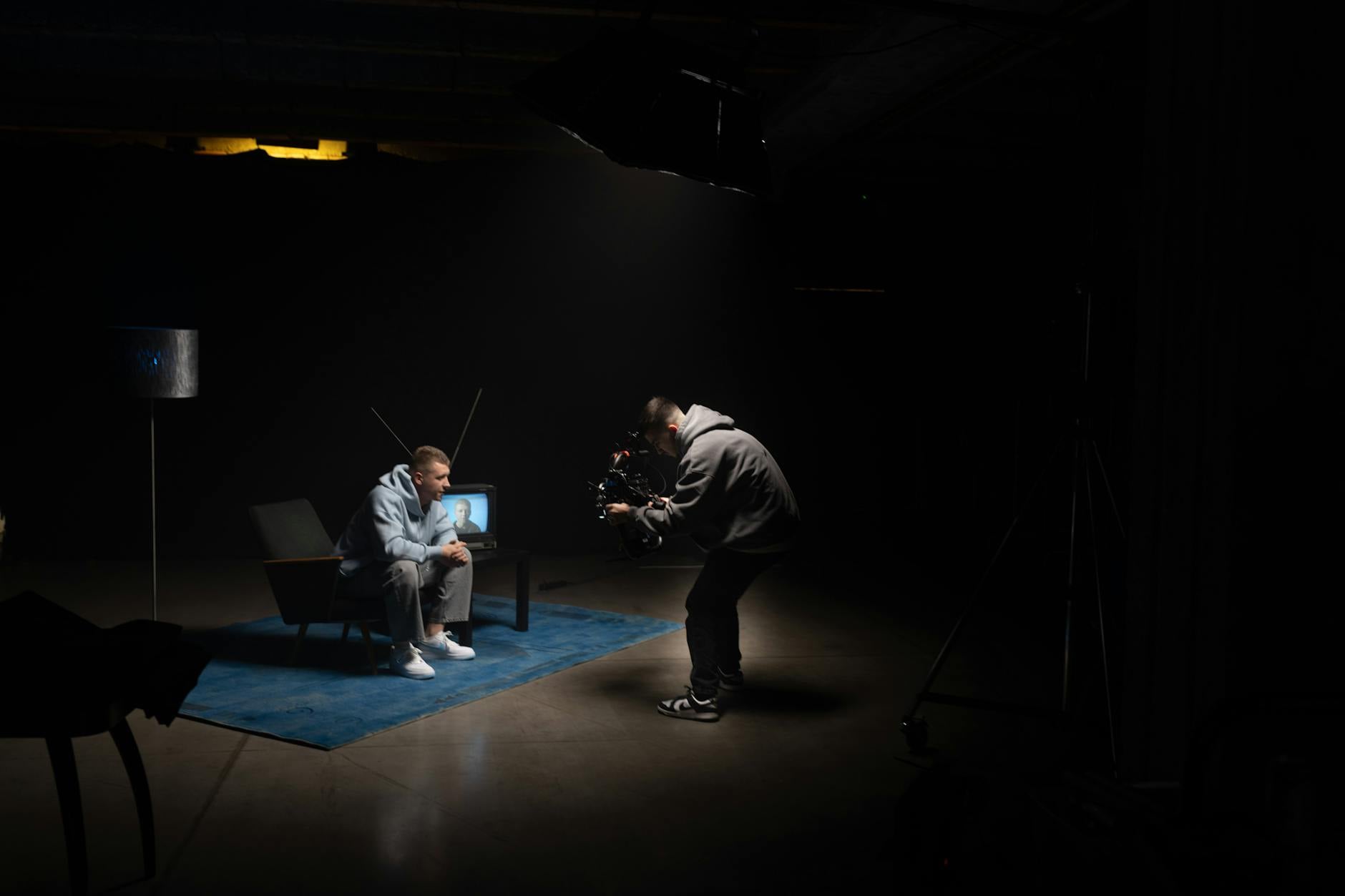
Television programming requires hosts to master elements that podcasting simply doesn’t demand. Where Pod Save America thrives on conversational intimacy and the kind of casual political analysis that feels like overhearing a strategy session, television forces performers to consider camera angles, lighting, audience reaction shots, and the visual language that supports their commentary.
Favreau’s background as a former Obama speechwriter gives him natural on-camera presence, but the transition from audio-only content to visual media has required all three hosts to develop new presentation skills. They’ve been working with television producers and directors to understand how their political insights translate when viewers can see their facial expressions, body language, and the studio environment around them.
The challenge extends beyond performance. Television production operates on stricter timelines than podcast recording, with network approval processes, advertiser considerations, and broadcast standards that don’t exist in the podcast space. Where a podcast episode can be recorded, edited, and released within hours of a major political development, television shows must navigate layers of corporate oversight and technical requirements that can slow down the response time that makes political commentary most effective.
Network Interest and Format Experiments
Multiple networks have expressed interest in Pod Save America’s television concepts, though the specific details of these deals remain closely guarded. The hosts are reportedly exploring formats that range from traditional panel discussion shows to more experimental hybrid formats that combine live audience interaction with pre-recorded segments and field reporting.
One area of particular network interest involves their ability to explain complex political developments to audiences who may not follow politics as closely as their core podcast listeners. Television executives see value in their talent for breaking down policy details and political strategy without condescending to viewers or losing the humor that makes their content engaging. This skill could prove valuable for networks looking to capture audiences who want political information but find traditional news programming either too dry or too sensationalized.
The timing of their television push coincides with broader changes in how podcasters are launching traditional radio show comebacks and expanding into legacy media formats. Networks are actively seeking content creators who already have established audiences and proven ability to generate consistent engagement around topical subjects.
Audience Translation Challenges
Moving from podcast audiences to television viewers presents unique obstacles that go beyond technical production concerns. Pod Save America’s core audience consists largely of politically engaged listeners who seek out their content specifically for in-depth political analysis and commentary. Television audiences, however, include casual viewers who might stumble across their programming while channel-surfing or watching other content on the same network.
This audience expansion requires the hosts to maintain their authenticity and political edge while making their content accessible to viewers who may not share their level of political knowledge or engagement. They must balance keeping their existing fanbase satisfied while not alienating potential new viewers who might find their inside-baseball political discussions impenetrable or off-putting.
Network television also operates under different content standards than podcasting platforms. While Pod Save America can use explicit language and tackle controversial political topics without restriction in their podcast format, television programming must navigate broadcast standards and advertiser sensitivities that could limit their creative freedom. The hosts have acknowledged that adapting their content for television will require finding ways to maintain their voice while working within these constraints.
The real test will be whether their political commentary can maintain its urgency and relevance when filtered through television’s slower production cycles and corporate approval processes – a challenge that could determine whether podcast expertise truly translates to television success.