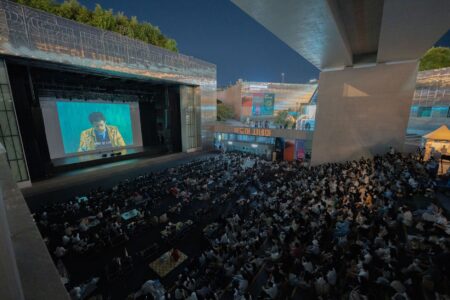



Comedy Central has quietly dismantled its traditional late-night programming model, replacing established hosts with a rotating cast of stand-up comedians under 35. The network’s decision to abandon the conventional desk-and-guest format signals a recognition that younger audiences consume comedy differently than previous generations.

The Economics Behind the Youth Movement
The financial mathematics driving this shift are stark. Traditional late-night shows require massive production budgets, permanent studio spaces, and long-term host contracts that can stretch into eight figures annually. Comedy Central’s new approach slashes these costs by roughly 60%, according to network executives who spoke on background about the restructuring.
Stand-up specials and showcase formats require minimal set construction, smaller production crews, and no permanent host salaries. A single comedian can tape multiple segments in one evening, creating weeks of content for the price of a single traditional episode. The network books emerging talent at rates significantly lower than established hosts commanded.
This cost structure allows Comedy Central to experiment with diverse voices without the financial pressure of immediate ratings success. If a comedian’s segment fails to connect, the network can pivot to new talent within weeks rather than being locked into multi-year commitments. The model transforms comedic failure from a catastrophic loss into a manageable learning experience.
The approach also addresses the network’s demographic crisis. Viewership data shows that audiences under 30 increasingly discover comedy through social media clips rather than full episodes. These younger viewers prefer authentic, unscripted moments over polished monologues and celebrity interviews. The stand-up format delivers exactly this type of raw, personal content.
How Social Media Changed Comedy Consumption
TikTok and Instagram have fundamentally altered how comedy reaches audiences, creating direct pathways between performers and viewers that bypass traditional gatekeepers. Comedians can build substantial followings before ever appearing on television, arriving at Comedy Central with pre-existing fan bases rather than starting from zero.
This social media ecosystem has produced a generation of performers who understand viral content creation intuitively. They craft material designed for clip-ability, knowing that a 30-second segment might reach millions more people than the original broadcast. The network benefits from this organic promotion, as successful segments generate free marketing across multiple platforms.
The demographic data reveals why this matters so much to Comedy Central’s survival. Viewers aged 18-34 spend an average of three hours daily consuming short-form video content but less than 45 minutes watching traditional television. Comedy specials and showcase segments translate more naturally to mobile consumption than hour-long talk shows.
Young comedians also bring cultural perspectives that resonate with diverse audiences in ways that traditional late-night hosts often missed. The network’s programming now reflects experiences around mental health, social justice, and economic anxiety that define younger generations. This authenticity translates into higher engagement rates across social platforms.
The shift has created an unexpected feedback loop where social media success influences television booking decisions. Comedians with strong online presence receive priority consideration, while those who struggle digitally find fewer opportunities regardless of their stage presence. This represents a complete inversion of traditional comedy industry hierarchies.

Industry Resistance and Adaptation Challenges
Established comedy institutions initially resisted this transformation, arguing that traditional late-night formats provided essential cultural commentary that stand-up segments cannot replicate. Veteran producers worried that abandoning interview segments and topical monologues would eliminate comedy’s role in political discourse.
The transition has also created uncomfortable dynamics for older comedians who built careers around the traditional television model. Many performers over 40 find themselves competing directly with creators who understand digital platforms instinctively. Virtual reality technology is now adding another layer of complexity to performance formats, further accelerating the industry’s technological evolution.
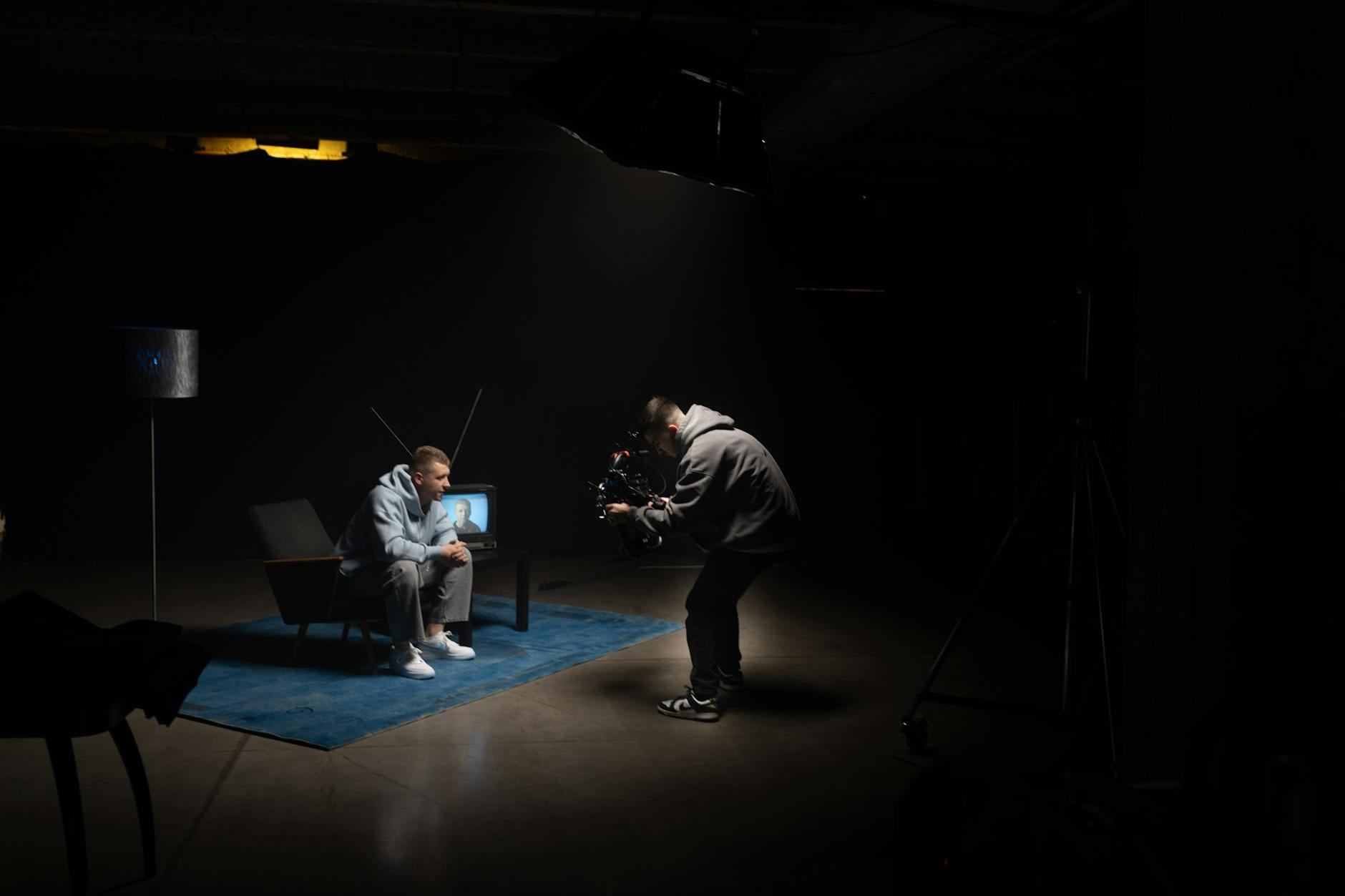
Comedy Central’s bet on younger talent represents more than cost-cutting or trend-chasing. The network is attempting to rebuild comedy television around the consumption habits of audiences who have already abandoned traditional media. Whether this strategy can generate sustainable revenue while maintaining comedy’s cultural influence remains an open question that will define the industry’s next decade.