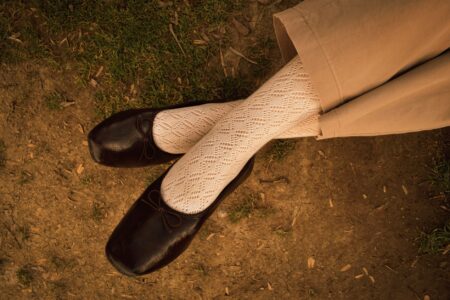

The ballet flat had a long run. For the better part of two decades, it defined the idea of effortless dressing – the shoe you reached for when you wanted polish without pain. But a quieter, more structured alternative is taking up space in its lane: the grosgrain bow flat, with its ribbon detailing and precise silhouette, is showing up on more feet and fewer wish lists.
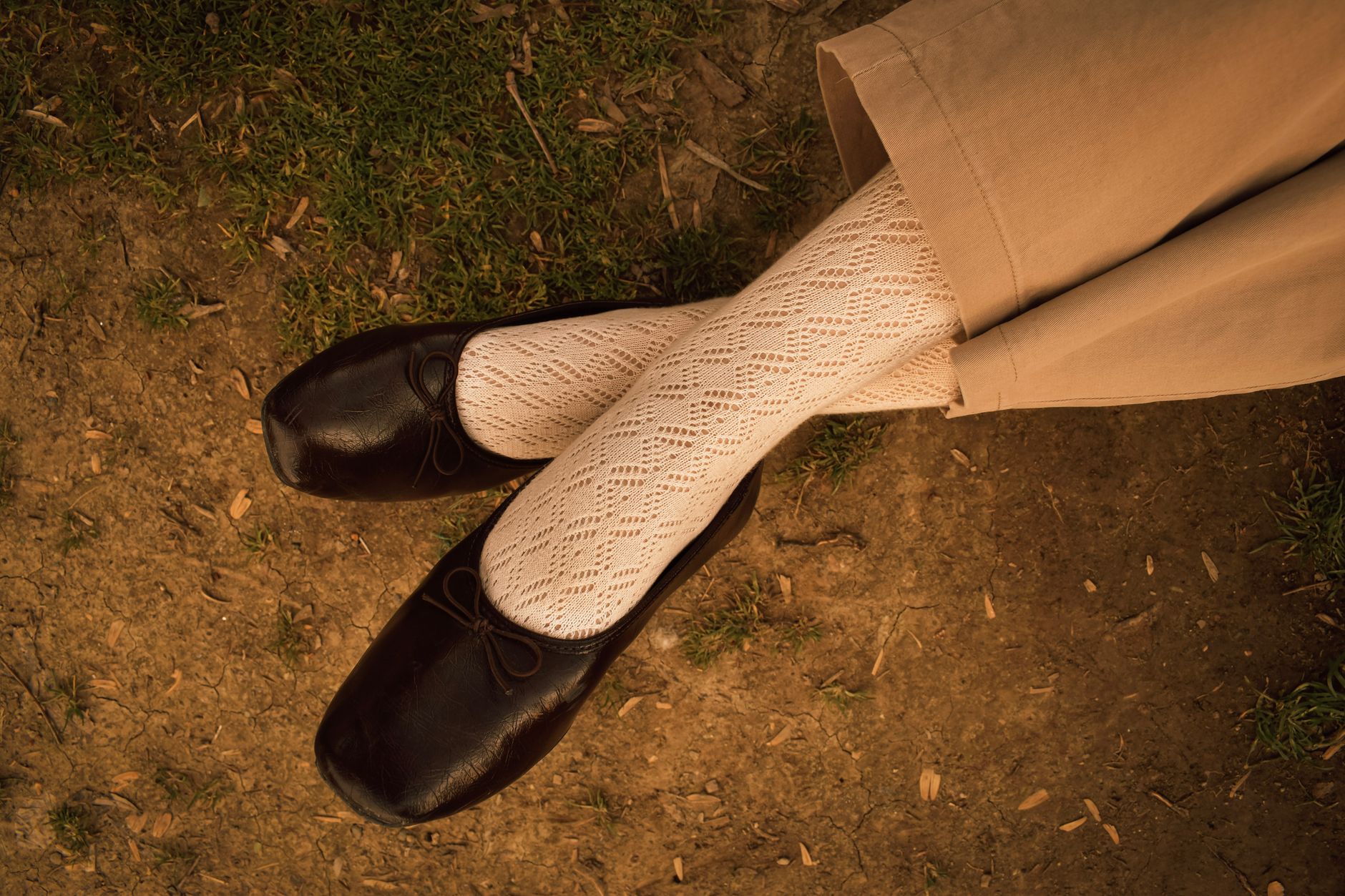
Why the Bow Flat Is Having Its Moment
The grosgrain bow flat is not a new invention. The ribbon trim, the low profile, the rounded toe – these are references that go back to formal dressmaking traditions and decades of European shoe craft. What has changed is context. Where the bow flat once read as costume or vintage cosplay, it now sits comfortably in the same wardrobe as tailored trousers and oversized blazers. The shift is in how it is being worn, not in what it is.
Credit the current appetite for detail. Across every category – knitwear, accessories, outerwear – the appetite for embellishment has been growing steadily, and footwear is no exception. The plain ballet pump thrived in an era that prioritized minimalism and discretion. As fashion moves toward surfaces with more to say, a shoe with a ribbon at the toe suddenly reads as considered rather than fussy. The grosgrain bow functions as an architectural detail, not an afterthought.
Grosgrain specifically matters here. The material has a weight and structure that differentiates it from a satin or organza bow, which can tip easily into sweet or bridal. Grosgrain has a matte finish, visible ribbing, and a firmness that keeps the bow from flopping. It is the kind of detail that holds its shape across a full day of wear, and it photographs in natural light as well as it reads in person. These are not small things when you are talking about a shoe that competes in a market where aesthetics drive decision-making at every price point.
At the accessible end of the market, grosgrain bow flats are appearing in high-street collections as statement pieces rather than basics – often in unexpected colorways like chocolate brown, burgundy, or moss green, rather than the nude and black palette that defines most ballet pump ranges. That move away from neutral signals something: this shoe is meant to be seen.
How It Wears Differently Than a Ballet Pump
The ballet pump’s entire identity is built on disappearing into an outfit. Flesh-toned, sleek, and low-cut, it elongates the foot by minimizing the visual break at the ankle. It works because it does not compete. The grosgrain bow flat works differently – it draws attention directly to the foot and asks the outfit to accommodate that intention. These are two genuinely different styling philosophies.
With straight-leg denim or wide-leg trousers cropped at the ankle, the bow flat acts as a punctuation mark. The ribbon creates a focal point where the trouser hem hits the shoe, giving an otherwise streamlined silhouette something to pause on. Stylists have been photographing this combination extensively, and the look has moved from editorial curiosity to repeatable formula. The ballet pump would have been invisible in the same position – functional, but silent.
Skirts and dresses are where the grosgrain bow flat makes its most direct case. Worn with a midi skirt – particularly in a heavier fabric like tweed or denim – the bow flat adds a layer of formality that the ballet pump simply cannot match at the same heel height. It borrows from the vocabulary of Mary Janes and court shoes without the commitment to height. For anyone who wants the dressiness of a heeled shoe without the physical cost, this is a real solution rather than a compromise.

There is also a tonal conversation happening between the grosgrain bow and a season that has gone deep on ribbon as a fashion material broadly. Ribbon belts, ribbon-trimmed broderie anglaise cardigans, ribbon-handled bags – the material has become a through-line in current dressing. Wearing a grosgrain bow flat no longer requires building an entire outfit around the detail. The rest of the wardrobe is already speaking the same language.
Where the ballet pump genuinely still has the upper hand is comfort over long distances. The ballet pump’s construction – especially in a leather or stretch version – tends to conform to the foot more readily than a structured flat with a firmer toe box. This is not a minor consideration. But grosgrain bow flats are increasingly being made with padded insoles and wider toe beds that close that gap without compromising the silhouette. The practical argument for choosing the ballet pump is getting narrower.
What This Means for the Flat Shoe Market
The ballet pump is not going away. It is too deeply embedded in the workwear and everyday wardrobe to be displaced by a single trend cycle. What is happening is a gradual repositioning – the ballet pump is becoming the default option, reliable but increasingly overlooked, while the grosgrain bow flat is becoming the deliberate choice. When shoppers move from buying the safe flat to buying the interesting flat, the aesthetic center of gravity moves with them.
The more telling signal is what younger buyers are choosing as their entry point into the flat shoe category. Where a first flat shoe purchase once defaulted almost automatically to the ballet pump, the grosgrain bow flat is competing for that position – and in some corners of the market, winning it. If a shoe earns its place as someone’s first choice rather than their backup option, that says more about where the category is headed than any sales figure.
Frequently Asked Questions
What is a grosgrain bow flat?
A grosgrain bow flat is a low-heeled flat shoe featuring a bow made from grosgrain ribbon – a firm, ribbed fabric – typically positioned at the toe or vamp of the shoe.
How do you style a grosgrain bow flat?
Grosgrain bow flats work well with cropped wide-leg trousers, midi skirts, and tailored dresses. The bow acts as a focal point, so the shoe pairs best with clean, unfussy silhouettes.