
The Shift Nobody Announced
Platform sandals had a long run. The chunky, sky-high silhouette dominated warm-weather fashion for several seasons, showing up on red carpets, resort collections, and sidewalks alike. But something has been happening quietly in boutiques and on street style feeds this season: the espadrille wedge is taking back its territory, and it is doing so without any particular fanfare.
The espadrille wedge never fully disappeared, but it spent a few years playing a supporting role while platforms collected the headlines.
What is driving the switch now has less to do with nostalgia and more to do with what women actually want from a warm-weather shoe. The espadrille wedge delivers height without the visual weight of a thick platform sole, it reads as casual and polished at the same time, and it travels from a farmers market to a dinner terrace without requiring a costume change. That versatility is exactly the argument the platform sandal struggles to make.
Why the Espadrille Works Right Now
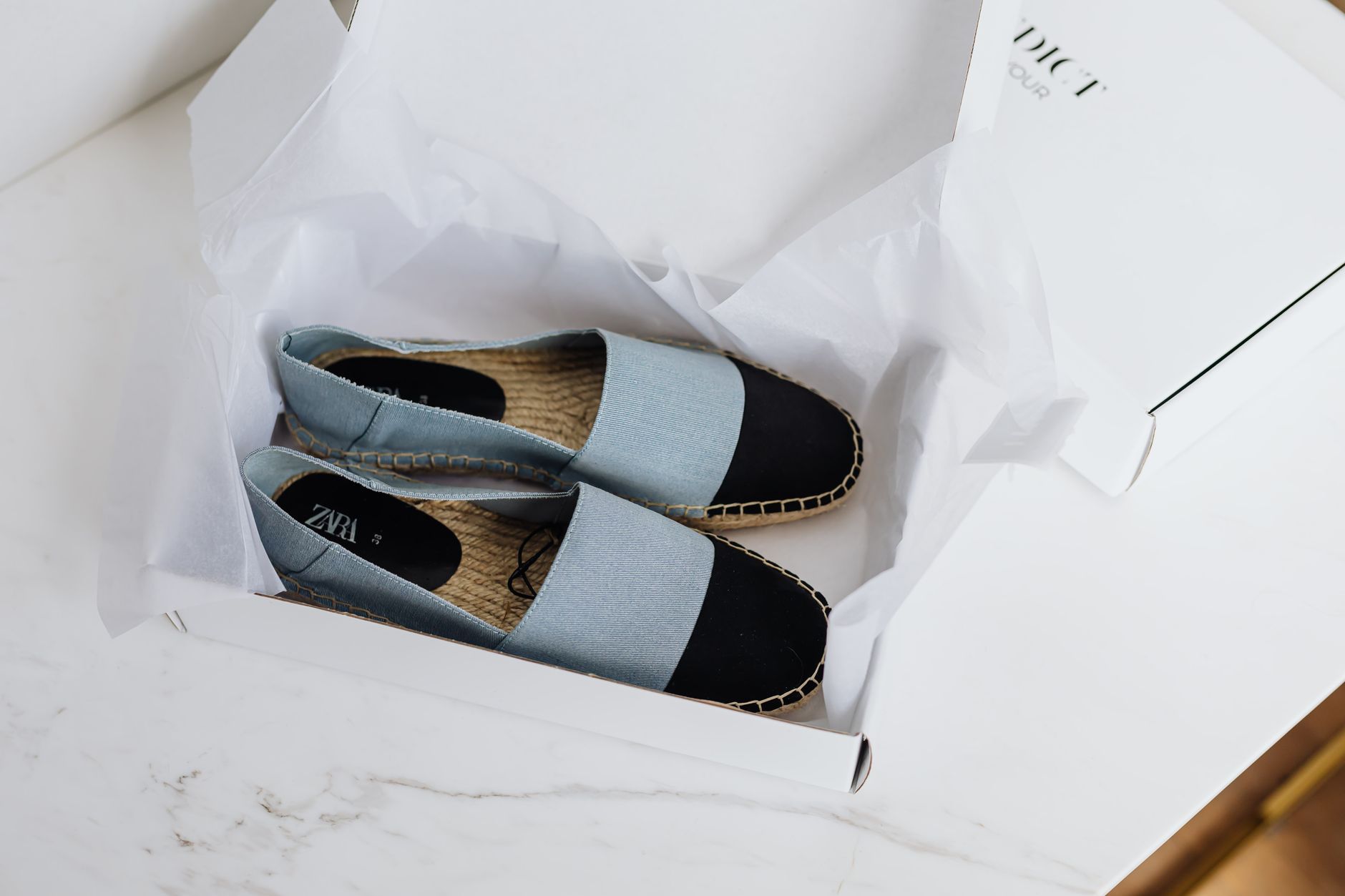
Fashion has been pulling toward texture and natural materials for a few seasons now. Raffia bags, linen coordinates, woven leather accessories – the appetite for organic-looking finishes has not slowed down. The espadrille wedge fits directly into that current because its defining feature is the jute-wrapped sole, a material that photographs beautifully, ages well, and communicates a certain effortless Mediterranean quality that synthetic platform soles simply cannot replicate. It is not just a shoe; it is a texture story.
The height proposition is also worth examining. A well-constructed espadrille wedge typically runs between two and four inches, which sits in a practical sweet spot. It is enough elevation to elongate the leg and add presence to an outfit, but the wedge base distributes weight more evenly than a stiletto or a stacked platform heel, making it easier to wear for extended periods. For anyone navigating cobblestones, beach boardwalks, or uneven restaurant patios, that stability matters far more than an extra half-inch of height. The platform sandal, by contrast, often sacrifices wearability for visual impact.
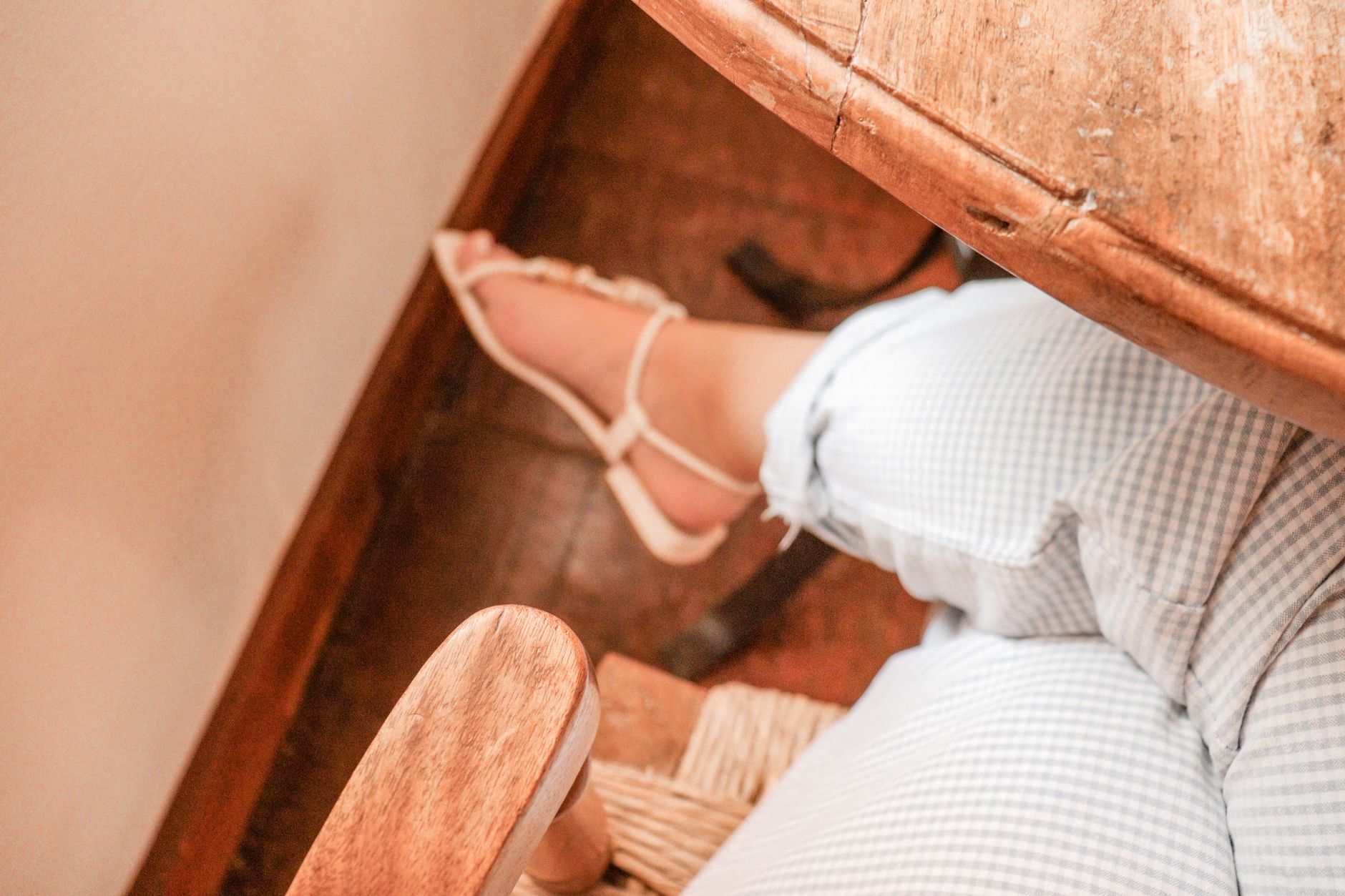
Color and finish options have also expanded considerably. Early espadrille designs leaned heavily on natural jute and white or navy canvas uppers. The current generation comes in everything from waxed leather to metallic linen, with ankle wraps, block toe caps, and embroidered details that push the silhouette well past its beach-town origins. That range gives stylists and shoppers more room to experiment, which keeps the shoe relevant across more contexts than it once occupied.
What This Means for the Platform Sandal
Platform sandals are not vanishing from shelves, but the styling conversation around them has cooled. A shoe that requires deliberate outfit engineering – one where the platform itself becomes the focal point and everything else must work around it – has a narrower use case than it first appears. Platforms command attention, and sometimes that is exactly the goal. But the broader shift in how people are dressing, toward pieces that work together rather than compete, has made the platform’s dominant visual energy harder to integrate on a daily basis.
There is also a comfort reckoning happening. The platform sandal’s thick sole can create a disconnected feeling underfoot, particularly on styles where the platform is rigid and the footbed lacks cushioning. Wearers have started paying closer attention to how a shoe actually feels over the course of a full day, not just how it looks in a mirror at home. The espadrille wedge, with its slightly flexible jute base and typically padded insole, tends to score better on that front. It is a shoe that rewards walking, which the platform sandal, in many of its iterations, does not.
Worth noting for anyone tracking the broader footwear moment: the metallic sandal has been quietly edging out the strappy wedge in elevated casual dressing, which means the wedge category overall is being reshaped from multiple directions. The espadrille is gaining from below while metallics apply pressure from above. The platform sandal sits in the middle of those forces, looking for a clear lane.
The Styling Math
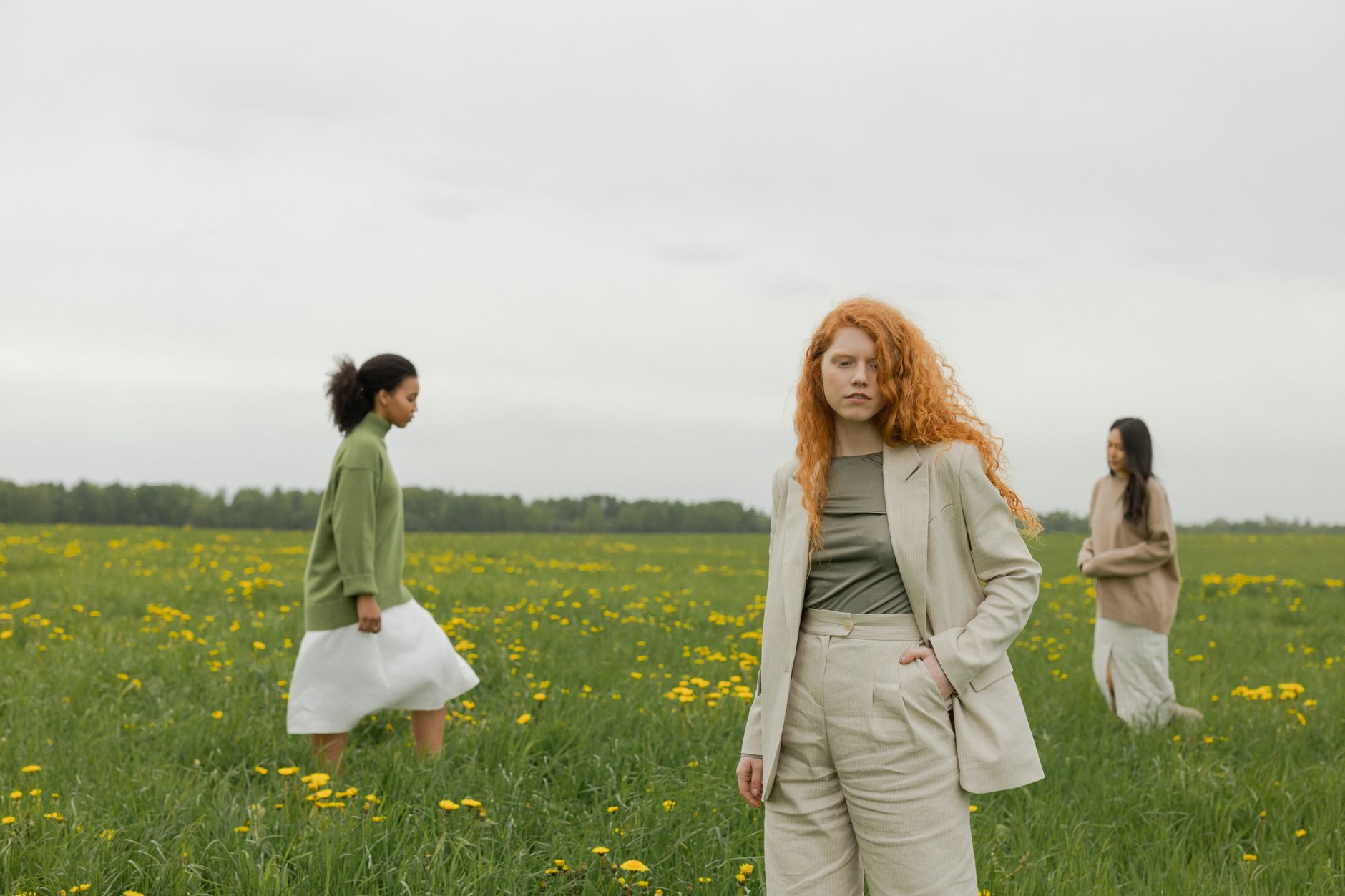
Pull up any collection look book aimed at resort or summer dressing this year and the pattern is consistent: espadrille wedges appear alongside wide-leg trousers, midi skirts, relaxed linen sets, and lightweight wrap dresses. That range covers most of what people actually wear in warm weather. The shoe is not being treated as a statement piece but as a foundation, which is the surest sign that a silhouette has real staying power rather than moment-specific buzz.
The platform sandal held its position partly because it was the bolder choice, the option that read as fashion-forward when maximalism was the prevailing mood. That mood has not reversed entirely, but it has tempered. The espadrille wedge is capturing the consumer who wants to look intentional and put-together without broadcasting effort – and that consumer turns out to be a large portion of the market. Whether the platform sandal finds a way to evolve its proportion and become more wearable, or whether it retreats to a niche role in statement dressing, will depend entirely on how designers reinterpret the sole. Right now, nobody is asking them to rush.