
The broderie anglaise jacket has been circling the edges of mainstream fashion for a couple of seasons now, and it is finally moving to the center. What started as a quiet presence on resort collections and European street style accounts has become a genuine wardrobe contender – one that is making the denim overshirt feel a little tired by comparison.
Why the Denim Overshirt Is Losing Ground
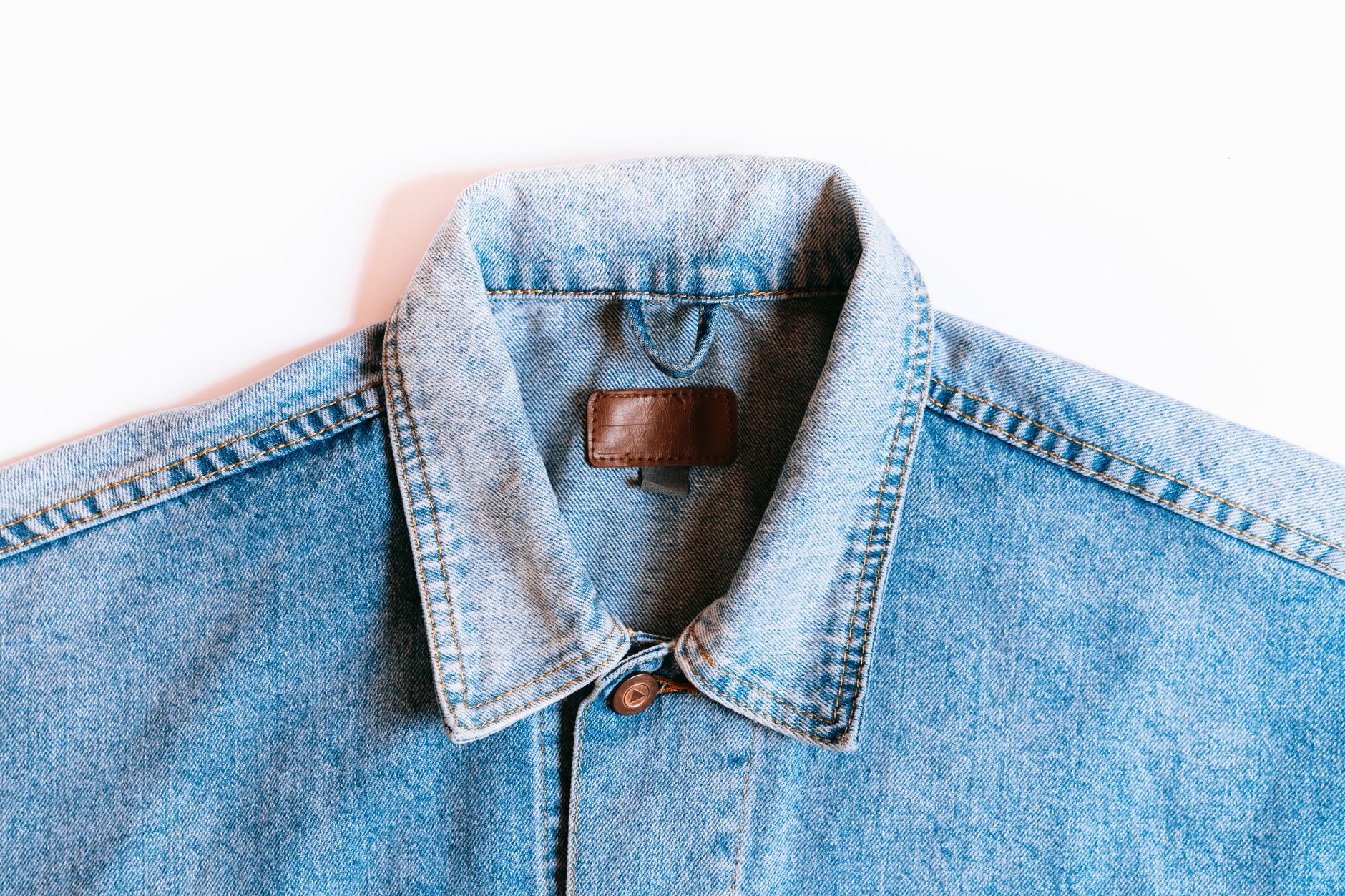
The denim overshirt had a good run. It filled a specific wardrobe gap – something lightweight enough to layer over a t-shirt in spring, sturdy enough to double as an outer layer in early autumn, casual enough to wear with everything from tailored trousers to weekend joggers. For a certain kind of low-effort dressing, it was close to perfect.
The problem with denim overshirts now is not that they stopped working – it is that they stopped feeling considered. When a piece becomes ubiquitous enough to appear in every fast-fashion haul and airport outfit photo simultaneously, it shifts from staple to background noise. That is where the denim overshirt sits right now: everywhere, which means nowhere in particular.
Fashion moves on the axis of contrast. When one texture dominates – and denim has dominated casual layering for years – the appetite for something softer, more detailed, and more deliberately feminine grows strong. Broderie anglaise delivers exactly that contrast. The fabric carries history without feeling costume-y, and the white-on-white or tonal embroidery reads as intentional in a way that washed indigo rarely does anymore.
There is also a seasonal logic at play. Broderie anglaise, with its perforated weave and cotton base, breathes in a way that denim never truly does. As warm-weather dressing leans further into lightness and texture over structure, a stiff denim overshirt starts to feel like the wrong answer to the right question.
What the Broderie Anglaise Jacket Actually Offers
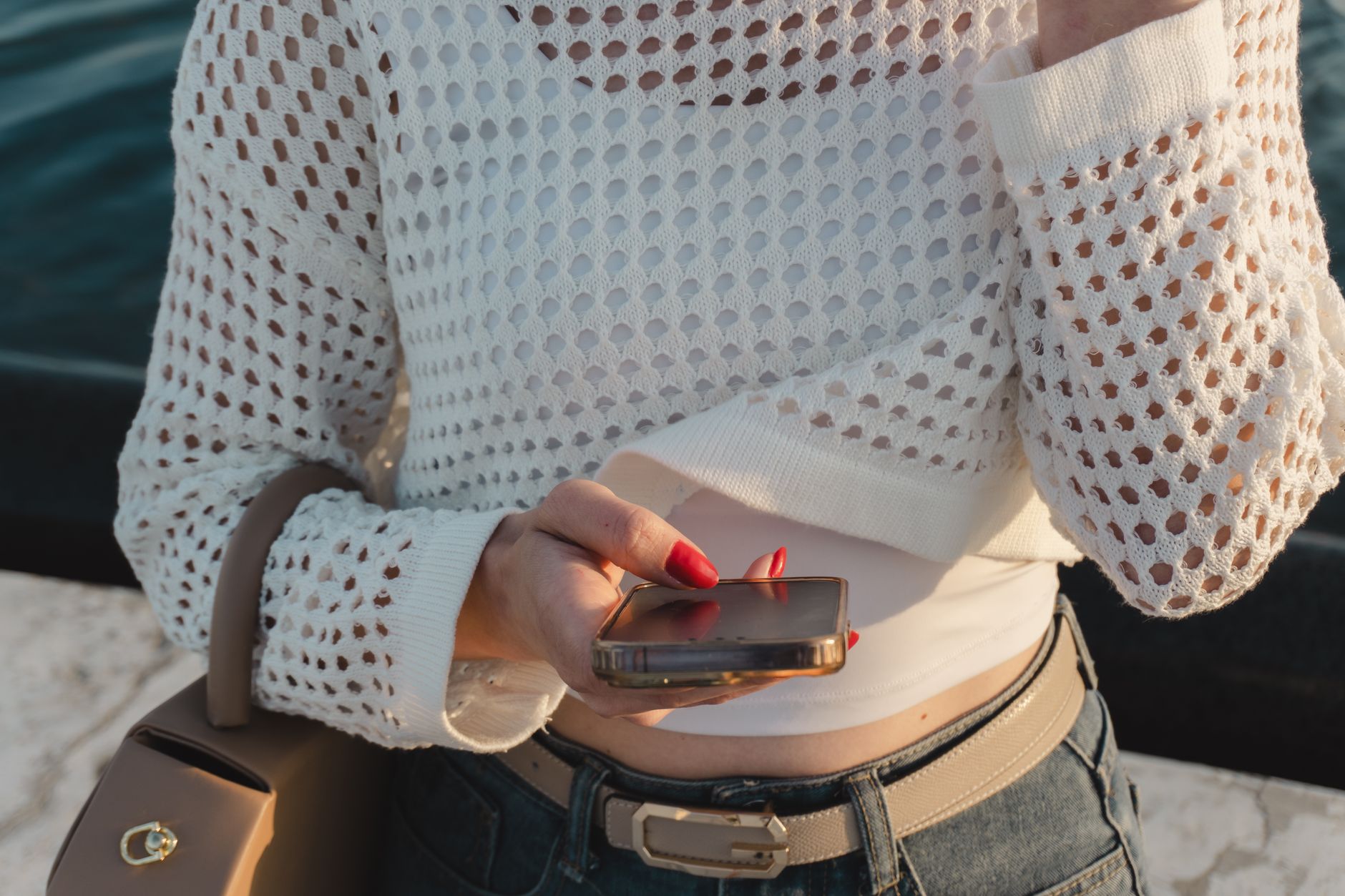
The silhouette showing up most consistently is a cropped or boxy jacket cut – something that sits at the hip rather than below it, with a relaxed collar and either a full button front or a simple tie closure. It borrows the layering function of the overshirt but carries it with considerably more visual interest. The eyelet detail catches light differently throughout the day, which gives even a simple white cotton jacket a quality that reads expensive without requiring an expensive price tag.
Styling flexibility is where the broderie anglaise jacket genuinely earns its placement. Over a slip dress or a linen midi skirt, it adds texture without competing. Worn over a fitted black tank and straight-leg trousers, it softens what would otherwise be a stark outfit. Some are pairing it with cargo trousers and chunky sandals to prevent the look from reading too precious – that mix of rough and delicate is exactly the tension contemporary dressing tends to reward. For anyone already leaning into the natural materials trend, the broderie anglaise jacket works alongside the raffia flat in a way that feels cohesive rather than over-coordinated.
Color is part of the appeal. The majority of broderie anglaise jackets circulating right now are white, off-white, or cream – a palette that denim simply cannot offer in the same way. That brightness functions as a neutral in spring and summer without the visual weight of a structured blazer. It also photographs well, which in an era where wardrobes are partly curated for visual documentation matters more than anyone tends to admit out loud.
The construction quality of a good broderie anglaise piece is also worth considering. The embroidery process – whether done by hand or machine – adds a layer of craft to the fabric that denim weave does not replicate. Even a mid-range cotton broderie anglaise jacket carries the impression of something made with more care than a standard denim overshirt at the same price point. That perception of value is hard to overstate when shoppers are increasingly thinking about cost-per-wear and whether a piece will hold its relevance across multiple seasons.
It is not only runway collections pushing this shift. Street style from Copenhagen, Milan’s Navigli district, and London’s East End has been saturated with the silhouette across the past two seasons. When a trend spreads across multiple style cultures with different aesthetics and climates, it signals staying power rather than a single-market moment.
The Limits of the Trend
Broderie anglaise is not without its complications. White fabric requires upkeep, and a jacket worn as a daily layer picks up grime faster than denim – which actually ages more gracefully under that kind of wear. The delicacy of the eyelet embroidery also means it is less forgiving in situations where a denim overshirt would shrug off contact: a packed commute, a festival field, a day that requires more movement than a lunch terrace allows.
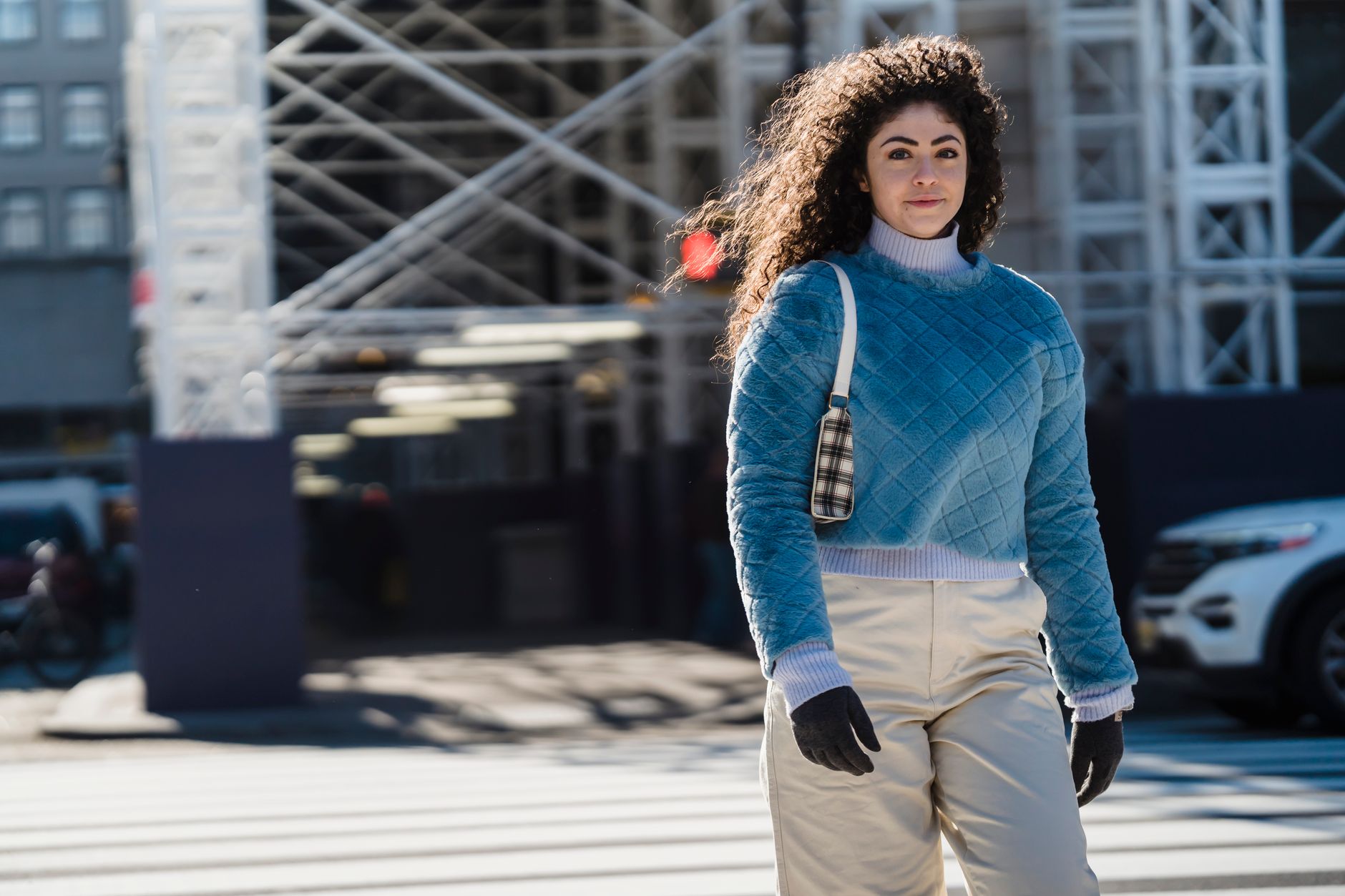
The more pressing question for broderie anglaise’s longevity is whether it can fully detach from its historical associations with country summers and garden parties – or whether that nostalgia is exactly what makes it interesting right now. Denim earned its wardrobe permanence by being genuinely utilitarian. Broderie anglaise is making its case on different terms entirely: texture, lightness, and a deliberate softness that feels like a direct response to years of raw hems and rigid silhouettes. Whether that is enough to hold the position it is currently gaining, or whether the overshirt eventually reclaims its territory, depends on how fashion decides to feel about effort next season.
Frequently Asked Questions
What is a broderie anglaise jacket?
A broderie anglaise jacket is a lightweight cotton outer layer featuring eyelet embroidery. It typically comes in white or cream tones and works as a casual layering piece.
How do you style a broderie anglaise jacket?
Wear it over a slip dress, linen trousers, or a fitted tank. Mixing it with more structured or utilitarian pieces like cargo trousers prevents the look from feeling overly delicate.