

The classic white leather trainer has dominated casual footwear for the better part of a decade. Clean, minimal, versatile – it became the default shoe for anyone who wanted to look put-together without trying too hard. But something is shifting on the street style circuit, in the boutique shoe aisles, and in the wardrobes of people who pay close attention to what their feet are saying. The slip-on sneaker is moving in, and it is doing so without much fanfare.
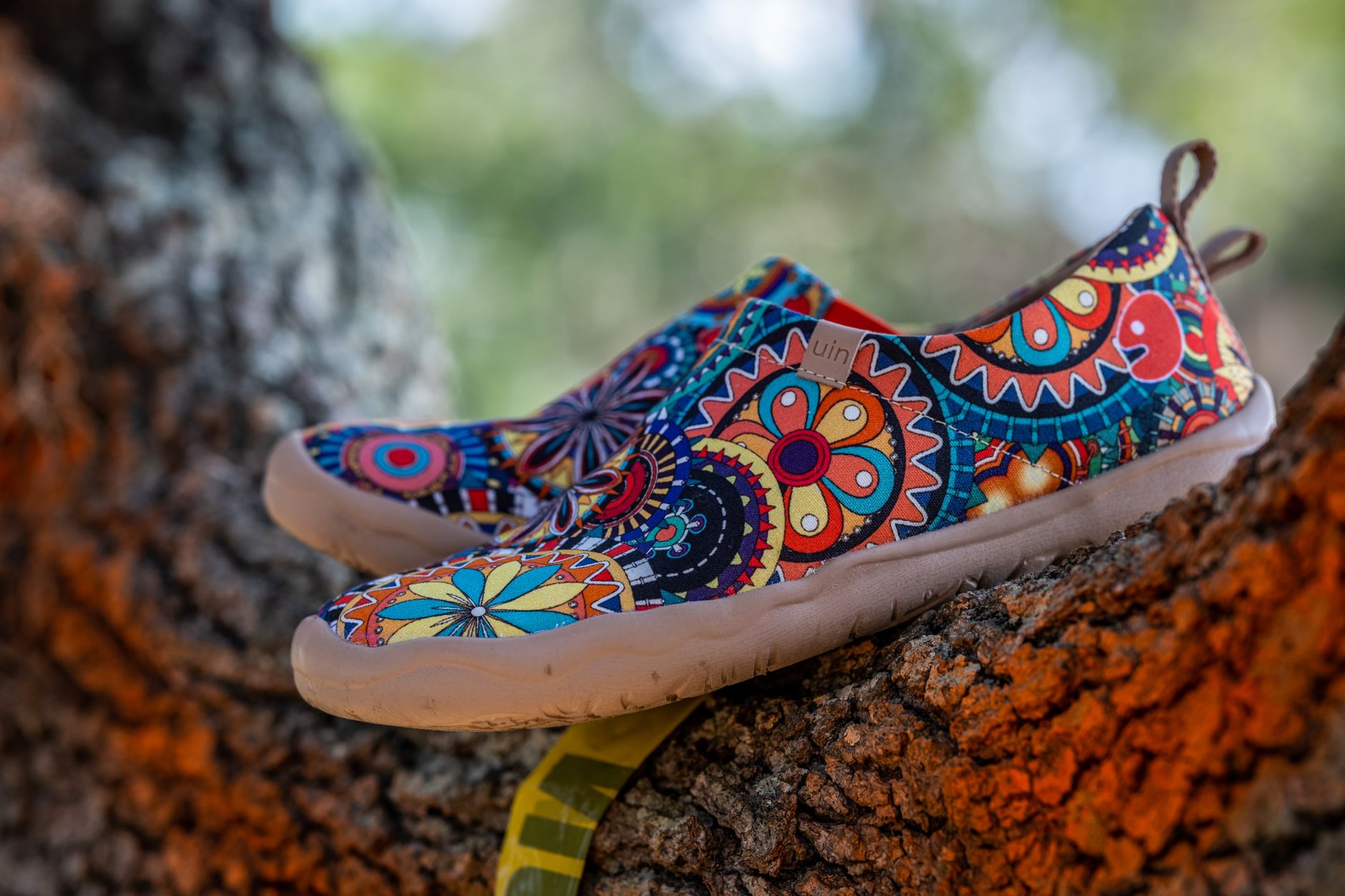
This is not the platform slip-on of the mid-2010s or the logo-heavy velvet style that had a brief viral moment. The current iteration is cleaner, more considered, and built for everyday use. Structured uppers, minimal silhouettes, and materials that toe the line between athletic and refined – the new slip-on is positioning itself not as a trend piece but as a wardrobe staple, and that distinction matters enormously.
Why the Lace-Up Lost Its Appeal
Part of what made the white trainer so dominant was its perceived effort. You laced it up, kept it clean, and it read as intentional. But that same quality is now working against it. There is a growing appetite for footwear that moves fast – that you can pull on with tailored trousers, drop off your kid at school in, and wear to a casual dinner without changing. The slip-on answers that demand directly, while the white trainer increasingly feels like it requires upkeep that does not match how people actually live.
The broader context here is that fashion has been quietly rejecting visible effort for a few seasons now. The aesthetic running through ready-to-wear – from tonal dressing to the linen blazer replacing the cotton overshirt – is one of ease that still reads as deliberate. The slip-on fits that logic perfectly. It looks chosen rather than grabbed, but it behaves like the most practical shoe you own.
What the New Slip-On Actually Looks Like
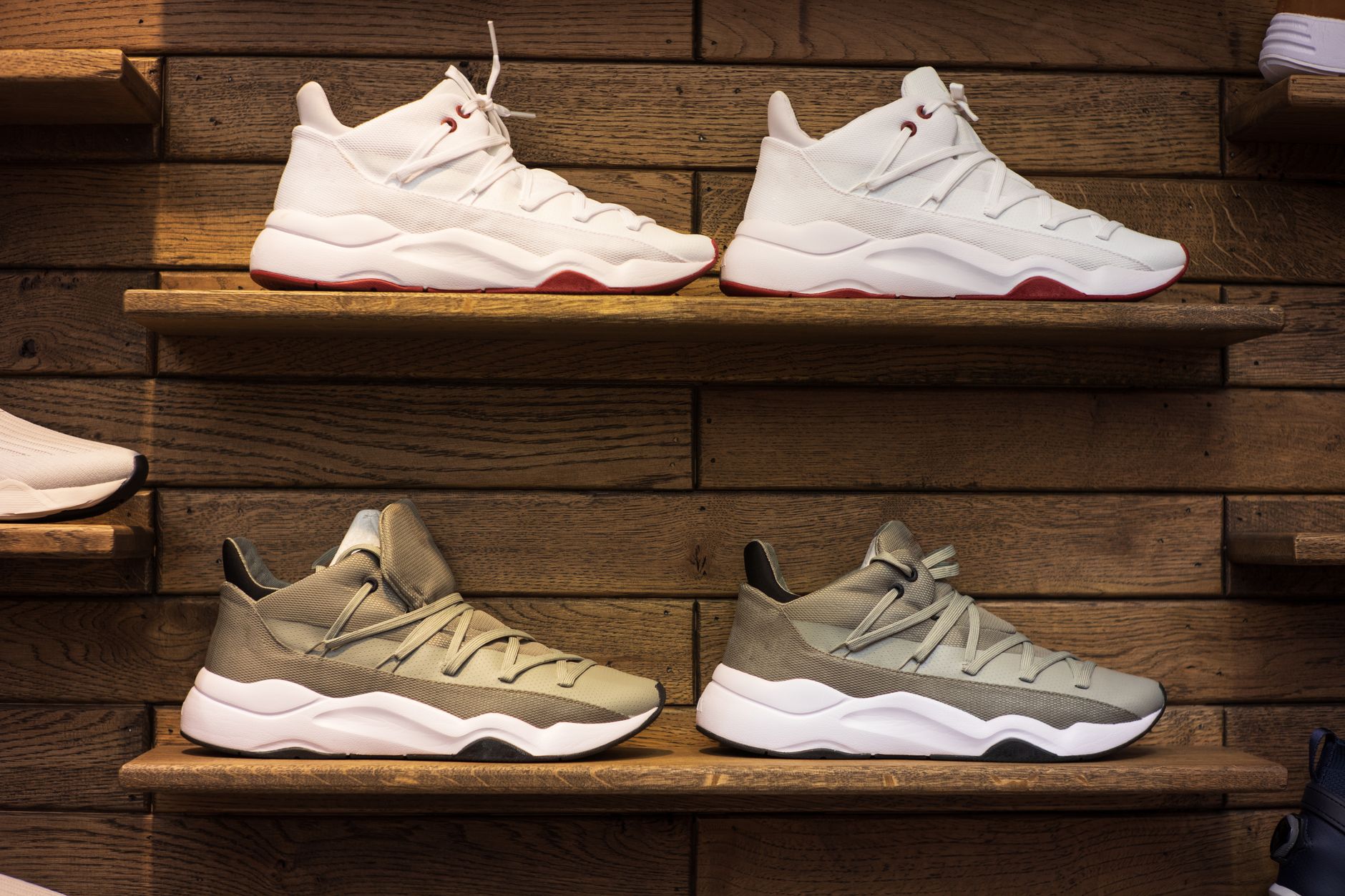
The styles gaining traction right now are notably restrained. Think low-profile canvas or leather uppers in neutral tones – off-white, warm grey, putty, deep navy. The silhouette is often slightly elongated, borrowing a bit of the pointed aesthetic that has been running through women’s footwear, while men’s versions tend toward a wider, more relaxed toe box that sits somewhere between a driving shoe and an athletic sneaker. Neither category is quite right, which is exactly the point.
Some brands are experimenting with textured knit uppers that give the shoe a more elevated finish than traditional canvas. This move toward material variation is key – it allows the slip-on to read differently depending on what it is paired with. Worn with a midi skirt and a light jacket, the knit version almost disappears into the outfit. Worn with loose linen trousers and a plain t-shirt, it anchors the look without competing with it.
The sole profile is also changing. Where older slip-on styles often sat flat and pancake-thin – which limited how long you could actually wear them – newer versions are incorporating slightly cushioned, chunky rubber outsoles that give a visual weight without adding bulk. The result is a shoe that photographs well, feels better than it looks like it should, and holds its shape across a full day of wear. That last point is not trivial. Comfort has become a genuine design priority, not an afterthought.
Color is doing interesting work here too. While the white trainer lived and died by its whiteness – any yellowing, any dirt, and it looked neglected – the slip-on is embracing tones that age gracefully. A warm oat leather develops character. A faded navy canvas looks intentional rather than worn out. This is a shoe designed with the understanding that most people are not cleaning their footwear after every outing.

The Styling Logic That Makes It Work
The slip-on’s versatility is not just about ease – it is about proportion. The cleaner the shoe, the more it recedes and lets clothing do the work. With the white trainer, the shoe itself was often part of the statement. With the slip-on, the statement shifts upward. A strong coat, an interesting trouser cut, a well-chosen bag – these become the focal points, and the shoe simply closes the look.
This makes the slip-on particularly useful for anyone building a wardrobe around longer-term investment pieces rather than rotating seasonal trends. It pairs with tailoring without looking incongruous, handles denim without looking too casual, and sits alongside dressier separates without the jarring contrast that athletic trainers can create. It is a shoe that solves problems rather than creates them.
Where the White Trainer Goes From Here
The white trainer is not going anywhere in the immediate term. It is too embedded in casual fashion culture, too widely stocked, and too reliably bought as a gift or a replacement purchase. But its role is changing. It is becoming more of a sport-adjacent choice – something you wear to the gym, on a long walk, or in contexts where performance credentials matter more than aesthetic flexibility. The slip-on is taking over the territory the white trainer used to occupy when people wore it purely for how it looked.
There is also a generational dimension worth noting. Younger buyers entering the footwear market have not spent years associating the white trainer with a particular cultural moment the way older millennials have. For them, the slip-on is not a departure from something beloved – it is simply the better option available right now. That lack of nostalgia-based loyalty makes it easier for the style to gain ground quickly.
The real test will come in how the slip-on holds up across seasons. Summer is easy – the style is inherently warm-weather-friendly, and the bare-ankle silhouette plays well against lighter clothing. But autumn and winter are where footwear decisions get harder. A few brands are already releasing slip-on styles in heavier materials and with slightly more structured uppers that suggest the category is planning for year-round relevance rather than a seasonal spike. Whether buyers follow that logic into colder months – or reach back for their lace-ups when the temperature drops – is the question the slip-on has not yet had to answer.
Frequently Asked Questions
Are slip-on sneakers still in style in 2025?
Yes – slip-on sneakers are gaining significant traction in 2025, with cleaner silhouettes and elevated materials making them a strong alternative to the classic white trainer.
What should I wear with slip-on sneakers?
Slip-on sneakers work well with tailored trousers, linen separates, midi skirts, and denim – they sit well across casual and smart-casual outfits without competing with the clothing.