


The linen shawl has had a long, comfortable run as the warm-weather layering piece of choice. Draped over bare shoulders at garden parties, tossed over summer dresses on breezy evenings, it became the default answer to the question of what to wear when it’s too warm for a jacket but too cool to go without. But something is shifting in how women are approaching that particular styling problem, and the broderie anglaise capelet is the piece quietly filling that space.
Capelets – those short, cape-like shoulder pieces that stop well above the waist – are nothing new. They’ve cycled through fashion history from Victorian outerwear to 1960s mod silhouettes. What’s different now is the fabric and the mood. Broderie anglaise, with its delicate embroidered cutwork and distinctly feminine texture, brings a softness and intentionality to the capelet format that reads less like costume and more like considered dressing. The result is something that functions like a shawl but looks like a choice.
Why the Linen Shawl Is Losing Ground
The linen shawl’s decline isn’t about quality – linen remains one of the most versatile warm-weather fabrics around, and linen pieces broadly are having a strong moment. The issue is more about how the shawl itself performs as a styling tool. It requires constant management. It slips off shoulders during dinner. It needs to be held, adjusted, or pinned. For a piece meant to make an outfit look effortless, it demands a surprising amount of effort to maintain that appearance.
There’s also a formality problem. A draped rectangle of linen reads as casual regardless of how it’s worn. It works beautifully on a beach or at a farmers’ market, but it struggles to hold its own at events where the dress code tips slightly more polished. The broderie anglaise capelet doesn’t have that ceiling. Its structure gives it presence, and the embroidery work – even on the simplest versions – reads as intentional rather than improvised.
The other factor is silhouette. Shawls blur the shoulder line and can overwhelm smaller frames or swallow the visual detail of the outfit underneath. A capelet, by contrast, sits on the shoulders and frames them, creating a clean, defined top half. It adds dimension without bulk, and because it’s a closed garment rather than an open drape, it maintains its shape through the entire course of an evening without any intervention from the wearer.

The Broderie Anglaise Factor
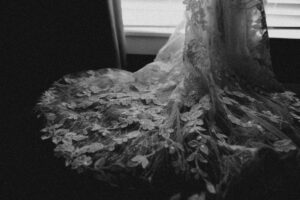
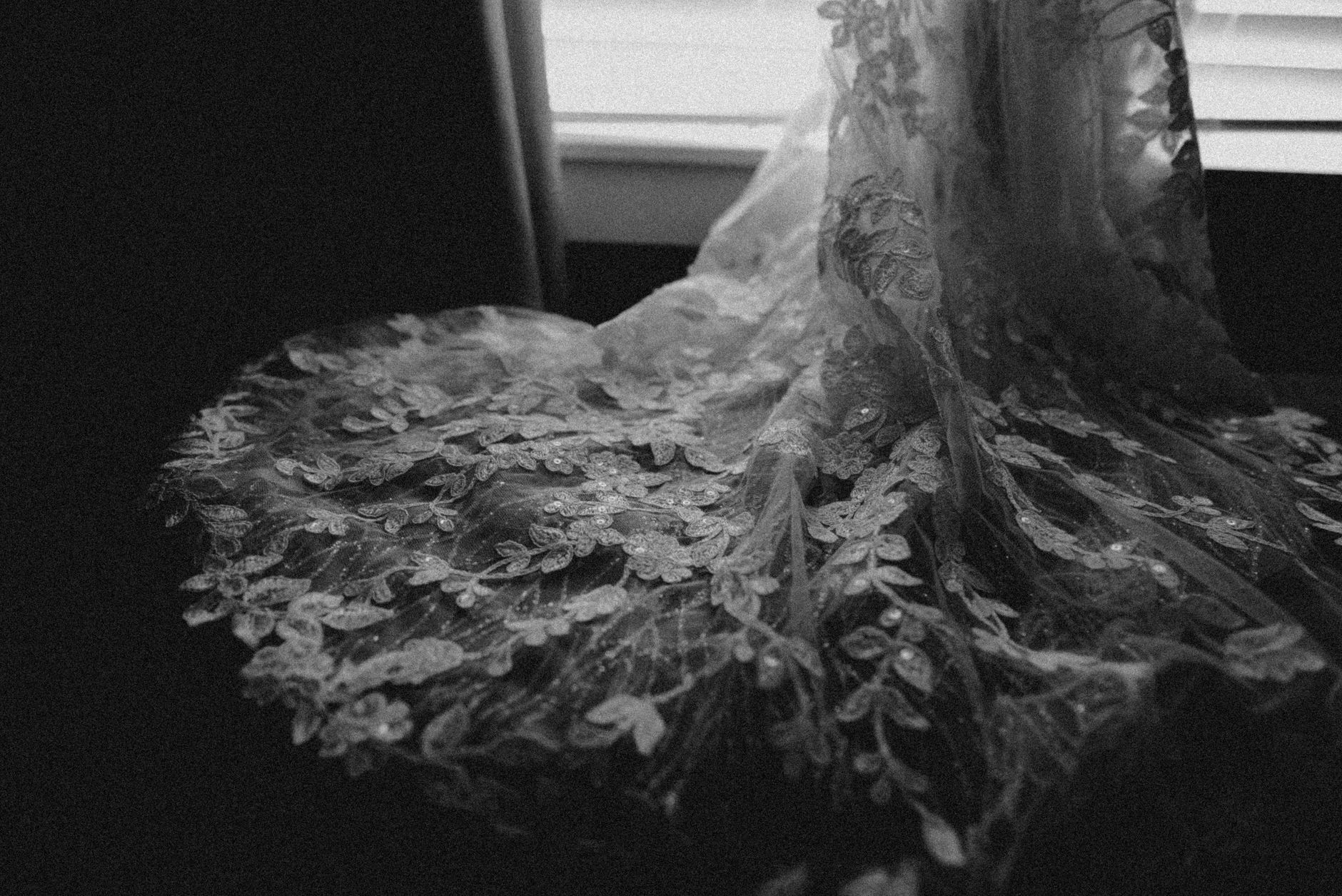
Broderie anglaise – sometimes called “English embroidery” – is a whitework embroidery technique characterized by small, oval or round cutouts edged with close-knit stitching, often combined with satin stitch floral or vine patterns. It has historically appeared on christening gowns, petticoats, and summer blouses. Its current resurgence doesn’t come from nostalgia exactly, but from the way it photographs, layers, and moves. The cutwork creates lightness and airiness without sacrificing the sense that the fabric has been worked on, that craft went into it.
On a capelet specifically, broderie anglaise solves what might otherwise be a visual weight problem. A capelet in a heavy woven fabric can look overly structured or period-costume adjacent. In broderie anglaise cotton – typically a crisp white or ivory, though dusty pastels are appearing more frequently – the capelet becomes something light enough to sit naturally on the body while still holding its shape. The scalloped edges that usually finish broderie anglaise pieces give the capelet’s hemline its own detail, so the piece looks complete rather than truncated.
How Women Are Actually Wearing It
The most common pairing right now is the broderie anglaise capelet over a solid-colored sleeveless dress or a simple slip. The embroidery does the visual work that jewelry or a statement neckline might otherwise handle, which means the outfit can stay clean and minimal from the waist down. A navy midi dress with a white broderie capelet is the kind of combination that photographs well, travels well, and holds up across a full day of events without looking tired by evening.
A growing number of women are also wearing capelets over wide-leg trousers and a tucked-in tank, treating the piece as a top layer rather than a cover-up. This styling reads slightly more editorial than the dress combination, and it works particularly well when the trousers are in a complementary neutral – stone, ecru, pale olive. The capelet’s length, which typically falls between the bust and the natural waist, is exactly right for this proportion. It doesn’t compete with the trouser’s visual line but instead punctuates it.
Where capelets are gaining the most traction is in the gap between casual and dressed-up that so many summer occasions occupy. Baby showers, outdoor wedding receptions, gallery openings in warm months, rooftop dinners – these are events where showing up in something with obvious craft signals effort without the weight of full formality. A broderie anglaise capelet handles all of those scenarios in a way that a linen shawl, however well-chosen, simply doesn’t. The shawl reads as comfort dressing; the capelet reads as style dressing. Right now, the latter is what women seem to want.
What makes the trend durable rather than just seasonal is that broderie anglaise capelets are available across a wide price range, from fast-fashion versions to artisan-made pieces in heavier cotton with hand-finished embroidery. The quality difference is significant – cheaper versions tend to have looser stitching around the cutwork that frays quickly and loses definition after washing – but the silhouette works regardless of price point. The question for anyone considering the switch from shawl to capelet is mostly about how much structure they want from the embroidery itself, and whether they’re buying something to wear once or to reach for repeatedly over several summers.