

The peasant top had a long run. Loose, billowy, threaded with smocking or embroidery at the neckline – it became the default “feminine but casual” option for anyone who wanted something softer than a fitted tee. But something has been shifting on the racks and in the styling choices of the women who tend to set the pace. The broderie anglaise blouse is taking up that space, and it is doing it quietly, without the fanfare of a trend announcement.
What makes broderie anglaise different is not just the fabric technique – those precise, punched-out eyelets and cutwork patterns stitched into cotton or lawn – but what it communicates. Where the peasant top reads as relaxed and a little folk-inspired, broderie anglaise reads as considered. There is craft in it. It suggests intention without effort, which is exactly the register that fashion keeps returning to.
1. The Texture Does the Work the Print Used to Do
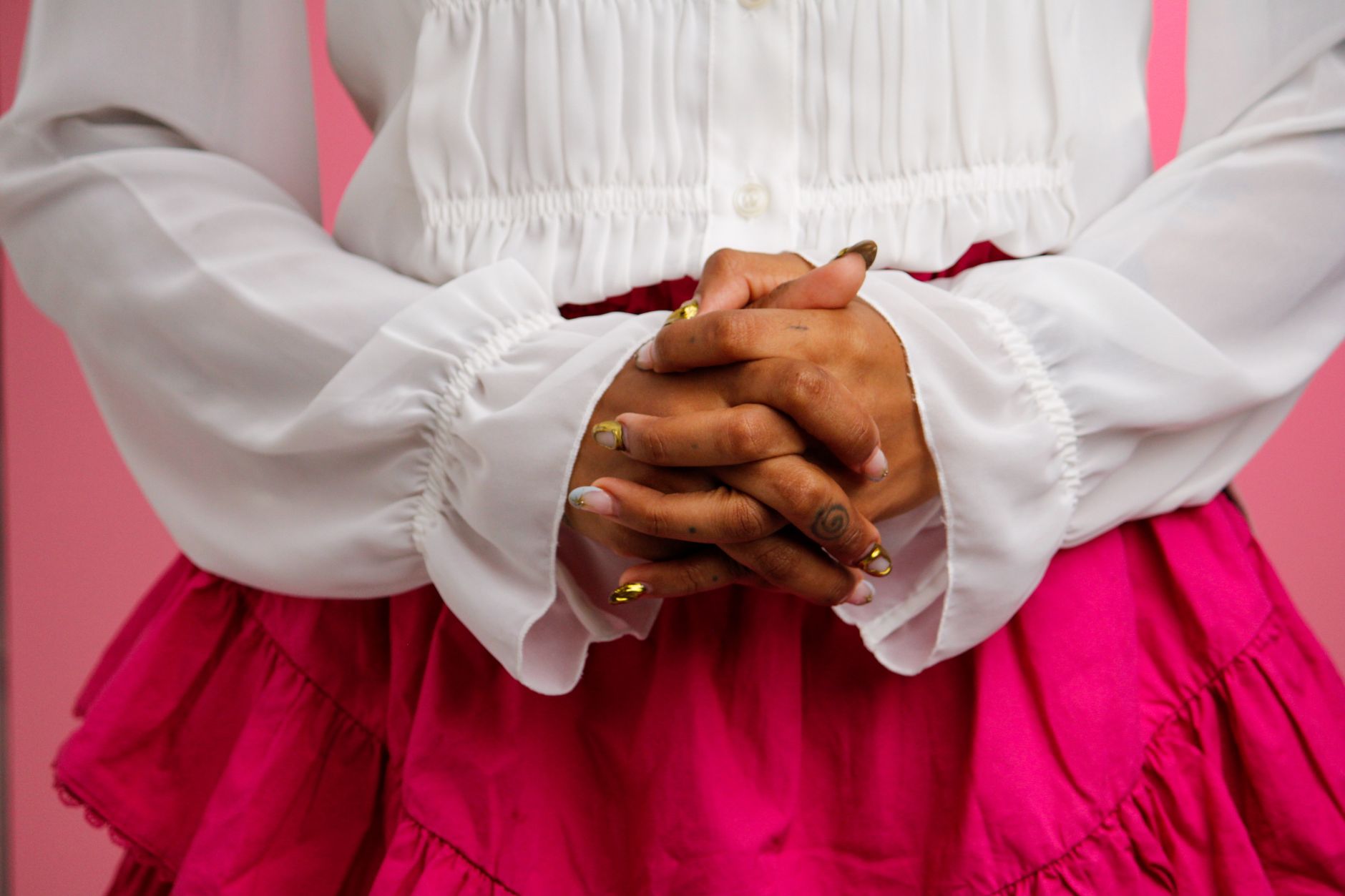
Printed blouses rely on surface decoration to create visual interest. Florals, abstract marks, graphic patterns – they all function the same way, drawing the eye with color and contrast. Broderie anglaise sidesteps that entirely. The interest comes from within the fabric itself, from negative space and raised stitching rather than applied color.
This matters more than it sounds. A solid-colored broderie anglaise blouse in white or ecru can look completely different at different times of day because the light source changes what you see. Morning light catches the raised edges of the embroidery differently than afternoon sun. That kind of built-in dynamism is something a printed blouse simply cannot offer. The textile is doing the styling for you.
The peasant top, even when beautifully made, flattens in photography and at a distance. Broderie anglaise holds its dimensionality. That is partly why it photographs so well, and why it keeps appearing in editorial shoots that are not specifically about romantic or cottagecore aesthetics – it works as a neutral with texture, which is a rare thing to find in a blouse.
2. It Fits into More Outfit Systems
The peasant top was built for a specific wardrobe logic: flowing skirts, sandals, a certain looseness throughout. It resists structure. Tuck it into tailored trousers and it tends to look like a mistake. The volume of the blouse fights the precision of the pant. Broderie anglaise blouses do not have that problem because they come in a much wider range of cuts – fitted, cropped, slightly boxy, with clean necklines or scalloped hems.
A fitted broderie anglaise blouse tucked into wide-leg trousers looks intentional. The same style worn loose over straight-cut jeans reads as weekend dressing without any visual confusion. It does not belong exclusively to one aesthetic ecosystem the way the peasant top does. That versatility is what gives it staying power beyond a single season or a single mood.
3. The White Moment Is Working in Its Favor
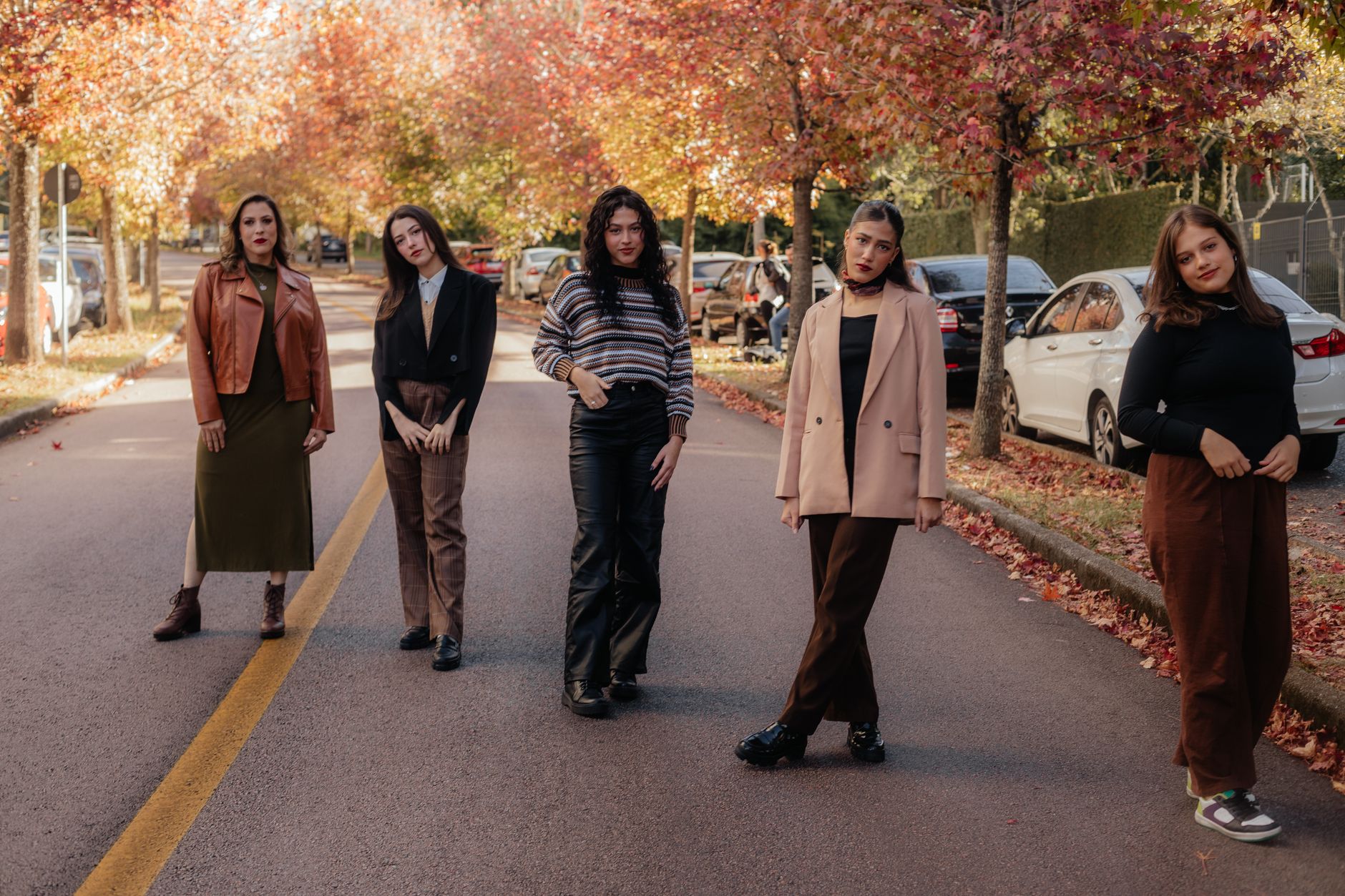
White dressing has been building steadily, and broderie anglaise – traditionally produced in white and off-white – is well positioned within that. The fabric’s texture prevents an all-white look from reading as clinical or bridal. The open lacework breaks up the solid expanse of color, adding depth without adding another hue.
This is different from the peasant top’s relationship with white. A white peasant blouse often tips toward costume territory, invoking a very specific visual language around folk dress or boho festival styling. Broderie anglaise in white stays on the right side of that line because the technique itself has European craft history attached to it – it was a staple of fine lingerie and children’s clothing in the 18th and 19th centuries before it crossed into mainstream women’s fashion. That heritage reads as refinement rather than reference.
4. Brands Are Quietly Shifting Their Production Priorities
Watch what is multiplying on the shop floor rather than what is being announced in press materials. A growing number of mid-market and high-street labels have been expanding their broderie anglaise offerings across multiple silhouettes, while the peasant-style blouse section has quietly contracted. This is not a coordinated decision – it is a response to sell-through rates and reorder patterns.
Broderie anglaise pieces tend to hold their perceived value better than peasant tops, partly because the fabric construction is more labor-intensive and that story is legible to a consumer who picks the garment up. You can feel that something was made with more care. Whether the garment was actually produced more carefully is a separate question, but the perception drives purchase decisions. That margin difference is enough to make a buyer prioritize one silhouette over another season after season.
Smaller labels working in natural fibers and artisan-adjacent production have been particularly active here. A broderie anglaise blouse fits the narrative these brands are building around craft and slowness in a way a standard peasant blouse does not, even when both are made from the same cotton lawn.
5. The Neckline Options Are More Wearable
One of the quiet frustrations with the peasant top is the neckline. The traditional off-the-shoulder or wide-neck construction requires constant adjustment. It slides. It gaps. It needs to be layered under or pulled carefully into place, and on a busy day it becomes a distraction. The broderie anglaise blouse offers a full range of necklines – round, V-neck, square, collared – without sacrificing any of the feminine texture that made the peasant top appealing in the first place.
That functionality matters in a category where women are already skeptical of pieces that sound good in theory but require effort to wear. Wearability is increasingly the deciding factor between two aesthetically similar options. A blouse you can put on without thinking about neckline migration for the next eight hours will always win over one that requires management.
6. It Layers Without the Bulk Problem
The peasant top’s volume is its appeal and its limitation. Add a denim jacket over a billowy peasant blouse and you are suddenly dealing with a significant amount of fabric bunched at the shoulders and arms. The proportion tips quickly. Broderie anglaise blouses – particularly the fitted and semi-fitted versions – layer cleanly under blazers, over tank tops, or beneath lightweight knits without that bulk accumulation.
Transitional dressing, the kind that handles both a cool morning and a warm afternoon, works better when individual pieces have clean edges. Broderie anglaise has enough visual interest that it does not need to be the only thing happening in an outfit. It coexists with other elements rather than demanding to be the sole focus.
7. The Styling References Are Broader Now
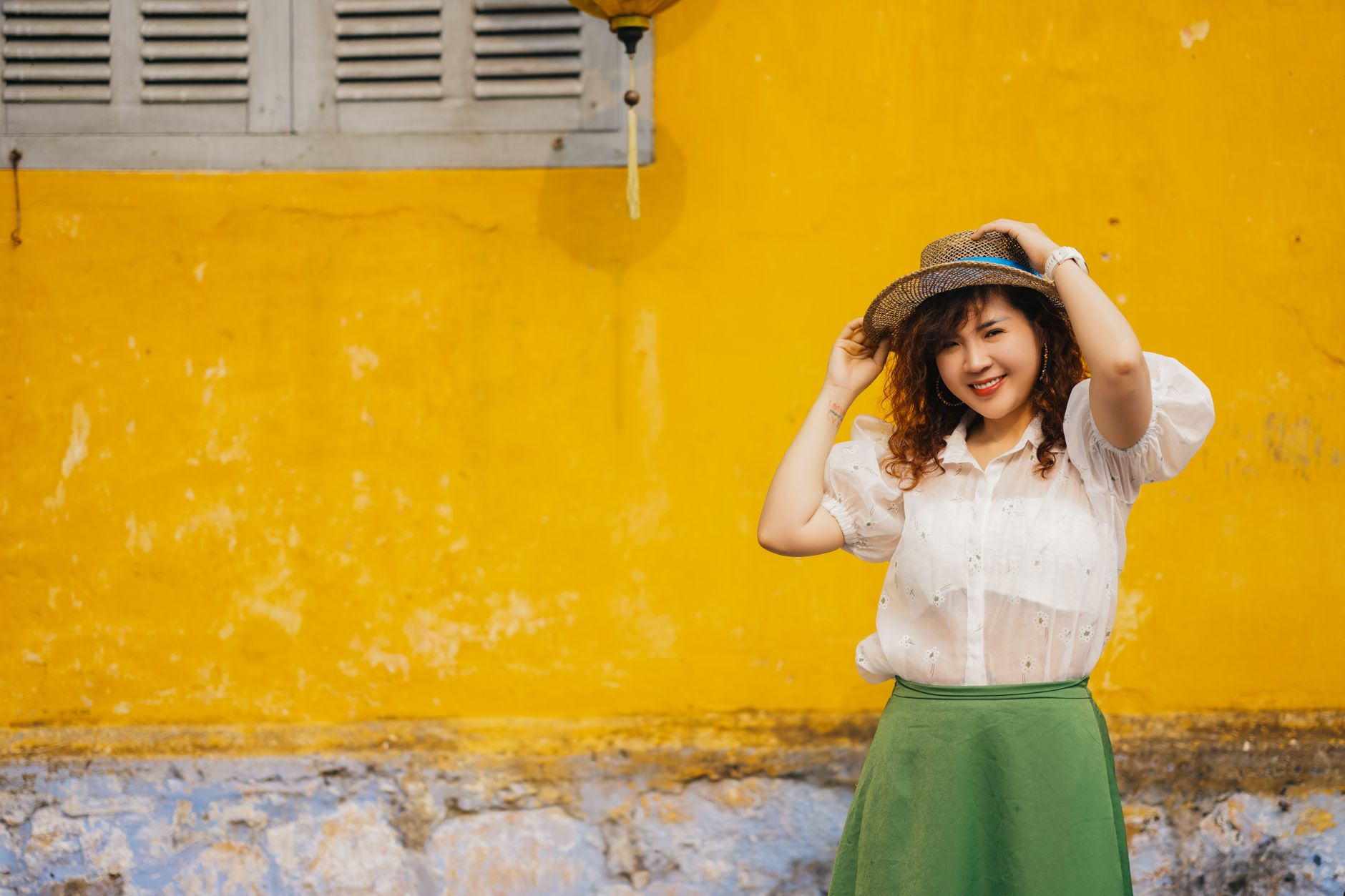
Broderie anglaise used to carry a narrow set of associations: country house weekends, Provencal markets, a very specific kind of English summer. Those references still exist, but the blouse has absorbed a wider set of styling influences. It appears in spare, minimalist contexts alongside straight-leg jeans and simple mules. It shows up under suiting. It turns up cropped above high-waisted skirts in ways that have nothing to do with countryside aesthetics.
The peasant top has not made that same crossing. It remains tied to a particular mood, which is not a flaw but does limit its range. When a garment becomes associated with one complete look rather than functioning as an ingredient in many different looks, it peaks and then recedes. Broderie anglaise has avoided that narrowing. If you have been following how the broderie anglaise skirt has been repositioning itself against the tiered midi, the pattern is the same – this fabric technique is finding its way into styling contexts that would have seemed unlikely a few seasons ago.
The question is whether broderie anglaise can hold that breadth or whether it will eventually collapse into a single aesthetic the way the peasant top did. The difference may come down to silhouette: the peasant top’s specific volume is inseparable from its look, while broderie anglaise is a fabric treatment that can be applied to almost any cut. That flexibility is harder to exhaust.