


The Bag That Never Really Left
The PS1 came out of nowhere in 2008, arriving at a moment when the fashion world was obsessed with logo-heavy status bags and structured totes that announced themselves from across the room. Proenza Schouler’s slouchy, buckle-laden shoulder bag did the opposite – it whispered. And somehow, that made it louder than everything else. It became the bag of the downtown New York creative, the fashion editor who wanted to signal taste without waving a monogram.
Now, more than fifteen years later, the PS1 is circulating again. Not through a flashy relaunch or a celebrity campaign, but through the quieter mechanics of style recurrence – the kind where a bag starts appearing in street style photographs, then on resale platforms, then back in boutiques with fresh colorways. The shoulder bag as a category has been fighting for relevance against the micro bag trend and the crossbody wave, and the PS1 is making a credible case for why the original format still works.
Why the Shoulder Bag Fell Off – and Why It’s Back
For most of the 2010s, the shoulder bag was quietly sidelined. The rise of crossbody silhouettes offered hands-free practicality, while micro bags stripped the form down to near-uselessness in the name of aesthetics. Neither was particularly functional, but both felt contemporary in a way the classic shoulder drop did not. The shoulder bag started to read as something your mother owned.
What changed is partly generational. A growing number of younger consumers are drawn to pieces that feel deliberate and considered rather than trend-responsive. The shoulder bag – carried in the crook of the arm or worn draped over one shoulder – has a certain intention to it. It requires you to commit to wearing it, rather than just attaching it to your body and forgetting it exists. That’s not a drawback anymore. It’s the point.

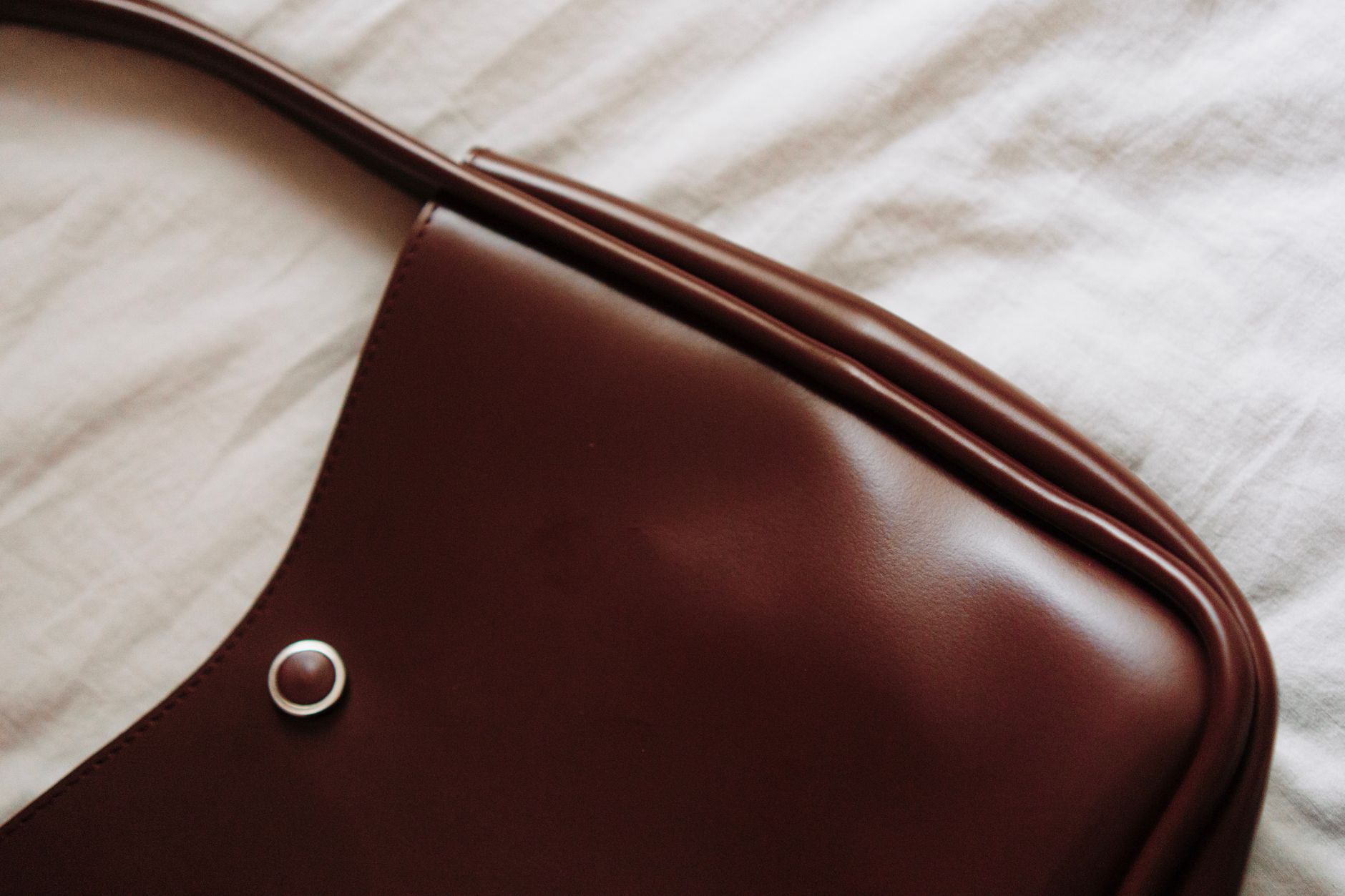
The PS1 specifically benefits from this because its design already anticipated the current appetite for soft structure. The bag is made from a pebbled leather that ages visibly, developing a patina that synthetic or overly rigid bags simply cannot replicate. The magnetic closure flap, the adjustable straps, the mix of zip and buckle details – these elements feel functional without being utilitarian. The bag looks like it belongs to someone, not like it was purchased to signal belonging.
This contrasts sharply with the bag market of the last few years, which leaned hard into either extreme minimalism or loud logomania. Both aesthetics have started to feel exhausted. The PS1 sits in a middle register – identifiable but not obnoxious, detailed but not busy – that a lot of shoppers are returning to after years of choosing sides.
The Resale Signal
One reliable indicator of a bag’s renewed cultural moment is what happens on the secondary market. The PS1 has been a steady presence on resale platforms for years, but the pattern has shifted. Prices on well-maintained versions have held firm rather than dipping, and early colorways – the camel, the oxblood, the ink blue – are increasingly difficult to find in good condition at the lower price points that used to be common. When supply tightens on resale while search volume climbs, it usually means something is about to tip back into mainstream demand.
Proenza Schouler has also been careful with how it handles the PS1 in recent seasons. Rather than flooding the market with variations or issuing a nostalgic anniversary edition that dilutes the original’s appeal, the brand has maintained limited seasonal drops in updated textures and colors. That kind of measured availability keeps the bag feeling like a discovery rather than a default.
How It Fits Into What People Are Actually Wearing
The current styling context suits the PS1 well. With the relaxed trouser edging out the slim jean as the dominant bottom, the proportions of a medium-sized shoulder bag make more visual sense than they did against skinnier silhouettes. A bag that sits at the hip or slightly below reads differently against a wide-leg trouser than it did against a cigarette pant – it balances rather than interrupts.
The PS1 also plays well with the current interest in layering and texture mixing. Its pebbled leather holds its own against shearling, heavy knit, and raw-hemmed denim without disappearing or competing aggressively. That versatility across different fabric weights is something the bag’s original designers almost certainly calculated – but it reads as effortless now because the broader wardrobe has moved back toward the kinds of pieces that make it relevant.
What the PS1’s return really tests is whether a bag can sustain a second act without the benefit of a rebrand or a fashion house takeover to generate press. The answer, at least so far, is yes – though the conditions have to be right. The bag has to hold its craft credentials, the brand has to resist overexposure, and the cultural moment has to move back toward the aesthetic values the bag originally embodied. All three of those things are currently true. Whether they stay true long enough for the PS1 to fully reclaim its position in the shoulder bag conversation, or whether the next micro trend displaces it again before it fully lands, is the question no amount of street style photography can answer yet.