


The Bag That Never Fully Left
The Loewe Puzzle Bag has always occupied a strange corner of the luxury market – beloved by people who read fashion rather than follow it, passed over by trend cycles that demanded something louder. When Jonathan Anderson introduced it in 2015, it read as an architect’s fever dream: geometric panels, origami-like construction, edges that folded into each other with the kind of precision that made you wonder whether a bag was also a math problem. It was not the easiest sell. And that, it turns out, was precisely the point.
Now, nearly a decade later, the Puzzle is back in conversation – not because of a campaign, not because a single celebrity wore it to a major event, but because a quieter kind of appetite has been building around it. Waitlists at select Loewe boutiques have stretched. Resale prices on platforms like Vestiaire Collective and The RealReal have climbed steadily for the small and mini configurations. The bag is not trending. It is something more durable than that.
Why the Puzzle Disappeared From the Conversation – and Why That Helped It
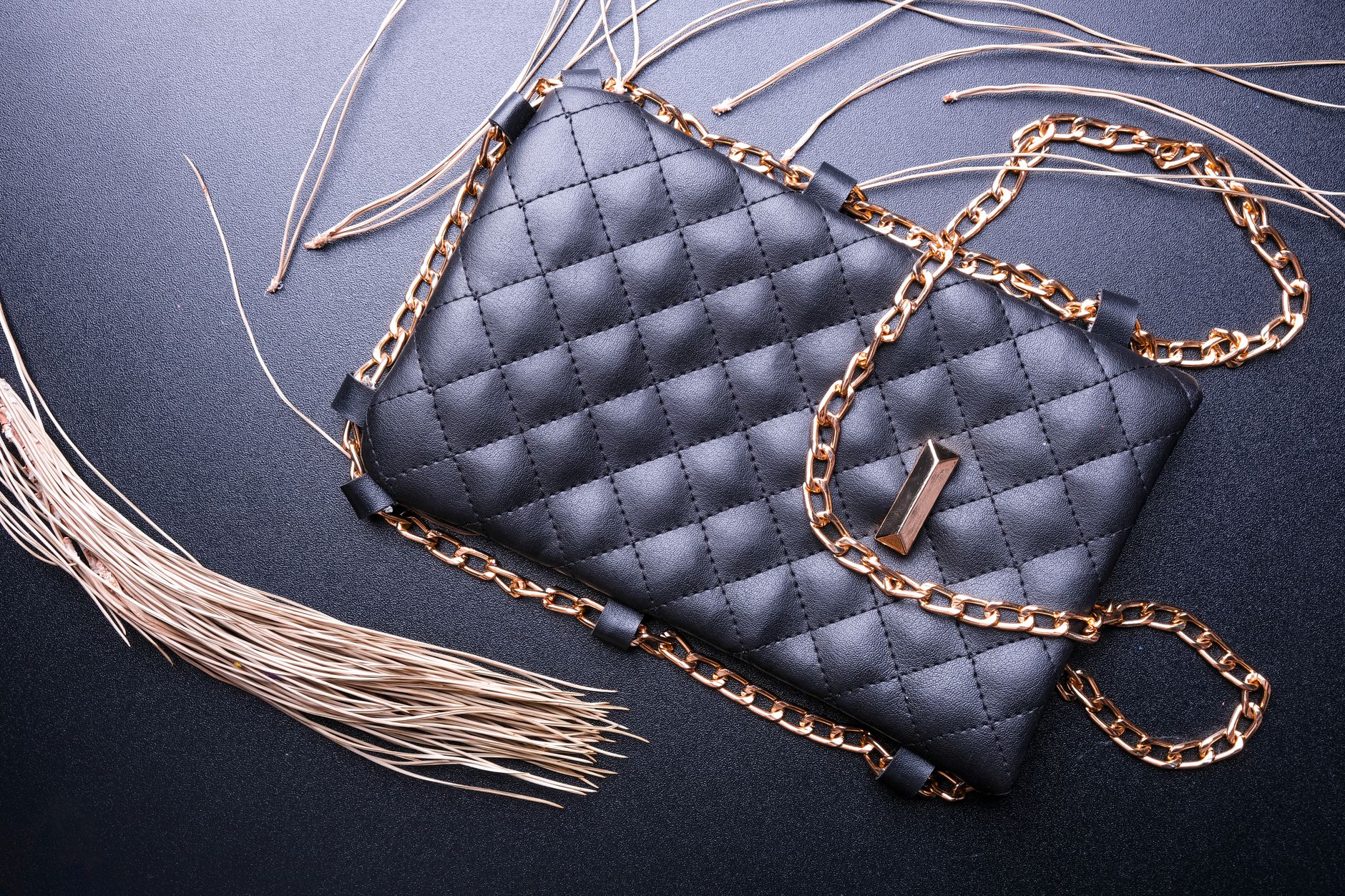
Between roughly 2019 and 2022, the Puzzle was overshadowed by a wave of bulkier, logo-forward bags that dominated social feeds. The Bottega Veneta Pouch, the Prada Re-Edition, and the Fendi Baguette revival were pulling focus, and the Puzzle – with its relatively quiet exterior and its demand for closer inspection – simply did not photograph as instantly. On a grid optimized for first-glance recognition, it was too considered to compete.
That absence from the trend cycle did something unexpected. It kept the bag’s original customer base loyal without attracting the flood of buyers who pick up a piece for its moment and abandon it twelve months later. The people who bought Puzzle bags during those quieter years were not buying a trend. They were buying the construction, the material quality, Loewe’s particular obsession with craft. That customer retention matters more than it might seem – it means the bag never became associated with a specific cultural moment that could later feel dated.
Anderson’s own trajectory at Loewe reinforced this. His collections throughout the early 2020s leaned harder into conceptual art references, collaborations with artists and estates, and a kind of anti-commercial intellectualism that attracted serious fashion attention without always driving mass-market demand. That positioning gave Loewe – and by extension the Puzzle – a curatorial reputation that feels increasingly valuable now that the broader luxury market is saturated with bags fighting for the same TikTok second.
The Resale Signal
Resale pricing is one of the more honest indicators of sustained desirability. A bag that spikes on resale during its cultural peak and then collapses within a year tells you something. A bag whose resale value rises slowly, years after its initial release, tells you something different – that demand is not driven by a moment but by ongoing recognition of quality.
The Puzzle’s resale behavior tracks closer to the second pattern. Mini and small versions in neutral colorways – black, tan, white – hold value particularly well. Seasonal colors and larger formats show more volatility, but the core silhouette maintains a floor that few trend-driven bags manage to hold three or four years out from peak visibility.
What “Quiet Luxury” Actually Means for a Bag Like This
The phrase “quiet luxury” became overused quickly, applied to everything from $80 linen trousers to six-figure watches, until it stopped meaning much at all. But the idea underneath it – that some luxury goods communicate primarily through construction and materials rather than logos and cultural noise – is real, and the Puzzle is a useful case study in why it works as a product philosophy.
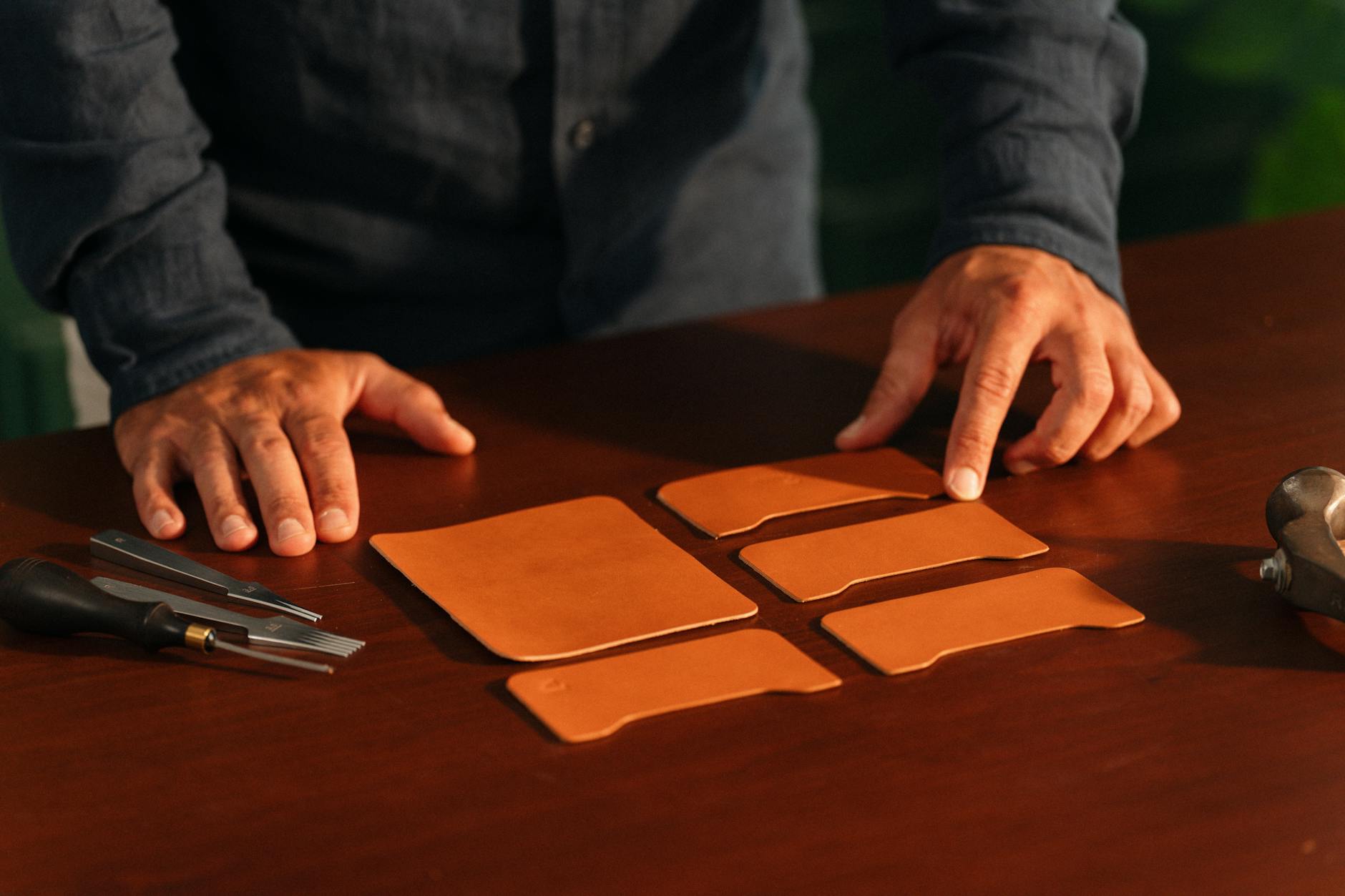
The bag’s defining feature is its construction method: panels of leather cut and folded to create three-dimensional structure without an internal frame. The technique requires precision at every step, and any inconsistency shows. This is the kind of craft detail that means nothing at a glance but everything upon handling. It creates a tactile experience that photographs can’t fully convey – which sounds like a liability until you realize it builds the kind of loyalty that algorithmic visibility never quite does. Owners of the Puzzle tend to be evangelical about it in person, which is a slower but stickier form of word-of-mouth.
This also connects to a broader appetite for bags that justify their price through verifiable craft rather than brand mythology alone. The shift toward quieter, more considered luxury across the industry is creating space for pieces like the Puzzle that were always built on those principles but previously struggled to compete with louder options. Anderson’s tenure at Loewe built a strong foundation of craft credibility – the linen, the leather goods, the ceramics – and the Puzzle benefits directly from that association.
What makes the current moment interesting is that Anderson is no longer at Loewe, having departed in early 2024 to take the creative director role at Dior. His successor, Tristan Morin, stepped into a house whose identity Anderson had spent a decade defining, with the Puzzle sitting at the center of that identity. Whether Morin leans into the bag’s established status or attempts to reposition it will say a great deal about where Loewe goes from here – and whether the Puzzle’s cult durability survives a shift in creative vision or depends on it.