


The ambient melodies from “The Legend of Zelda” now compete with pop hits on streaming platforms. Video game soundtracks have evolved from background noise to chart-topping albums, with gaming composers earning Grammy nominations and orchestral performances selling out concert halls worldwide.
This crossover represents more than nostalgic millennials streaming childhood favorites. Gaming music has matured into a legitimate musical genre, with composers like Nobuo Uematsu, Jesper Kyd, and Austin Wintory creating complex compositions that stand alone as artistic works. Their music now appears on Billboard’s Classical Albums chart, Spotify’s global playlists, and vinyl collections alongside traditional albums.
The shift reflects gaming’s cultural dominance. As video games generate more revenue than movies and music combined, their soundtracks reach audiences far beyond console owners. Streaming platforms report millions of monthly listeners for game soundtrack playlists, while social media platforms amplify memorable gaming themes through viral content and covers.

Streaming Success Drives Chart Performance
Gaming soundtracks dominate digital platforms in ways that surprise industry veterans. “The Witcher 3: Wild Hunt” soundtrack accumulates millions of streams monthly, three years after its vinyl release sold out within hours. “Minecraft” composer C418’s ambient tracks appear in study playlists alongside lo-fi hip-hop, reaching listeners who’ve never played the game.
Spotify’s “Gaming Music” category now includes over 50 dedicated playlists, from epic orchestral scores to electronic beats. The platform’s algorithm frequently recommends gaming tracks to users based on mood and activity, introducing non-gamers to composers like Darren Korb, whose “Hades” soundtrack blends rock and folk influences.
Chart performance reflects this streaming success. “Cyberpunk 2077” soundtrack peaked at number 15 on Billboard’s Top Album Sales chart, while individual tracks from “Elden Ring” and “Ghost of Tsushima” appear on various Billboard charts. These achievements happen without traditional radio play or music video promotion, demonstrating streaming’s power to elevate niche genres.
Record labels now actively court gaming composers. Sony Music, Universal, and independent labels like Laced Records invest in physical releases, limited editions, and remix albums. The strategy works: gaming soundtrack vinyl sales increased 40% in 2023, with pre-orders often exceeding initial pressings.
Concert Halls Embrace Gaming Orchestras
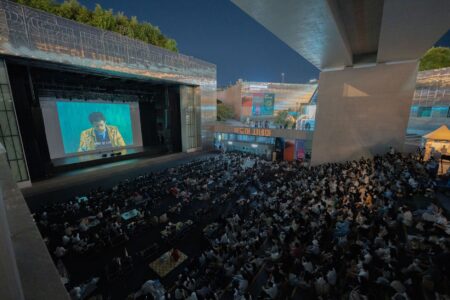
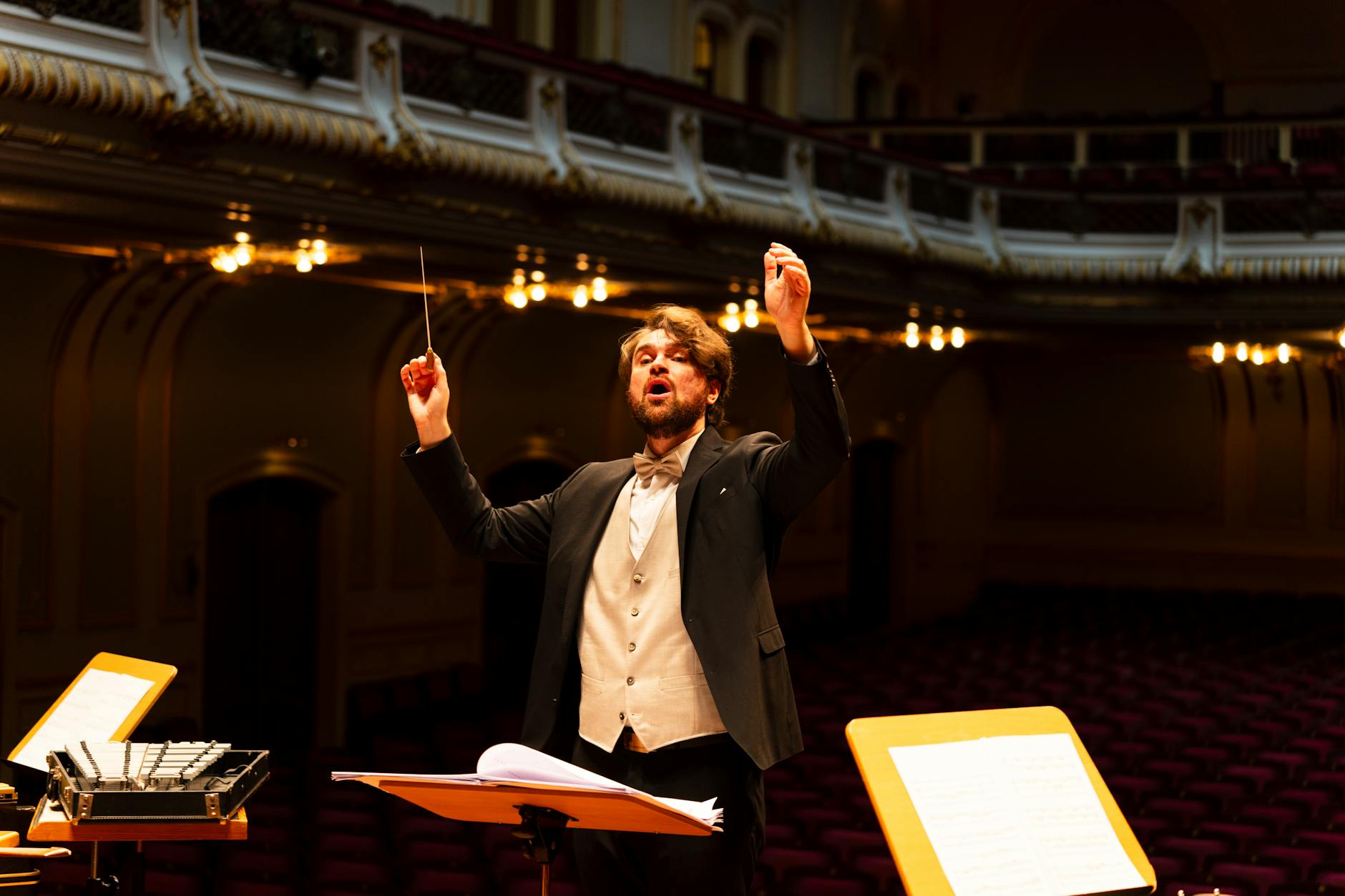
Live performances cement gaming music’s cultural legitimacy. “Video Games Live” tours have performed in over 400 cities across six continents, featuring full orchestras playing music from “Final Fantasy,” “Zelda,” and “Halo.” These concerts sell out venues like Carnegie Hall and the Hollywood Bowl, attracting audiences ranging from teenagers to middle-aged professionals.
Symphony orchestras worldwide now program gaming music in their regular seasons. The London Symphony Orchestra recorded soundtracks for major releases, while regional orchestras perform “Symphony of the Goddesses” Zelda concerts and “Final Fantasy” retrospectives. These performances often outsell traditional classical concerts, introducing younger audiences to orchestral music.
Gaming conventions amplify this trend. Events like PAX, E3, and regional gaming festivals feature live performances, composer panels, and music showcases. Twitch streams of these concerts reach global audiences, with chat rooms discussing musical arrangements and requesting favorite tracks. This online engagement extends the concert experience beyond physical venues.
Musicians from other genres now collaborate with gaming composers. Cellist Tina Guo performs on major game soundtracks, while electronic artists like Deadmau5 and Porter Robinson contribute to gaming projects. These crossovers blur genre boundaries and introduce gaming music to diverse audiences.
Composers Gain Recognition Beyond Gaming
Gaming composers now receive mainstream recognition previously reserved for film and television creators. Austin Wintory earned a Grammy nomination for “Journey,” the first video game soundtrack nominated in the Best Score Soundtrack category. Hildur Guðnadóttir, known for “Joker” and “Chernobyl,” composes for major gaming releases alongside her film work.
Awards recognition extends beyond the Grammys. The BAFTA Games Awards now includes a dedicated music category, while the Game Developers Choice Awards honors outstanding audio achievement. These accolades attract attention from traditional music industry professionals and open doors to film and television opportunities.
Educational institutions acknowledge gaming music’s complexity. Berklee College of Music offers video game music composition programs, while universities worldwide study gaming soundtracks in their musicology curricula. Students analyze harmonic progressions in “Skyrim” alongside Bach fugues, recognizing the sophisticated techniques modern gaming composers employ.
The growing trend of musicians releasing albums exclusively on vinyl reflects broader changes in music consumption, with gaming soundtracks leading this physical media renaissance. Collectors seek limited edition releases, colored vinyl variants, and special packaging that celebrates both the music and the games they accompany.
Industry Investment Transforms Production Values
Major gaming studios now budget for A-list musical talent and full orchestral recordings. Sony Interactive Entertainment hired Gustavo Santaolalla, known for “The Last of Us” television adaptation, while Microsoft partners with established film composers for “Halo” releases. These investments elevate production values and attract music industry attention.
Independent developers also prioritize music, often allocating significant portions of modest budgets to original compositions. Games like “Hollow Knight,” “Ori and the Blind Forest,” and “Celeste” gained recognition partly through their exceptional soundtracks, proving that memorable music enhances both critical reception and commercial success.
Technology improvements enable more sophisticated compositions. Advanced audio engines support dynamic music that responds to gameplay, while high-quality samples and virtual instruments allow smaller teams to create orchestral-quality recordings. These tools democratize music production and enable creative experimentation.
The influence flows both directions. Film composers increasingly adopt techniques pioneered in gaming, such as adaptive scoring and interactive musical elements. This cross-pollination enriches both mediums and demonstrates gaming’s creative contributions to contemporary music.
Gaming soundtracks have permanently altered the musical landscape, establishing interactive entertainment as a legitimate artistic medium. As virtual reality and cloud gaming expand the medium’s reach, expect gaming music to further integrate into mainstream culture. The next generation of listeners won’t distinguish between songs from movies and melodies from games – they’ll simply appreciate great music, regardless of its interactive origins.
Frequently Asked Questions
Do video game soundtracks actually appear on Billboard charts?
Yes, gaming soundtracks now regularly appear on Billboard’s various charts, including Classical Albums and Top Album Sales.
Why are gaming soundtracks becoming so popular?
Streaming platforms, improved production values, and gaming’s cultural dominance have introduced these compositions to mainstream audiences.