



The algorithm knows what you want to hear before you do. Spotify’s AI playlist generator, launched in beta earlier this year, analyzes your listening habits, mood indicators, and even the time of day to create personalized soundtracks that feel almost telepathic in their accuracy. This isn’t just another shuffle feature-it’s fundamentally changing how 500 million users discover their next favorite song.
The streaming giant’s latest AI feature represents the biggest shift in music discovery since the introduction of collaborative filtering in the early 2000s. While traditional recommendation systems relied on what similar users enjoyed, Spotify’s AI digs deeper, parsing everything from your skipping patterns to seasonal listening trends. The result? Playlists that adapt in real-time, introducing new artists alongside familiar favorites with an uncanny understanding of your musical DNA.

The Science Behind the Sound
Spotify’s AI playlist technology combines multiple machine learning models to decode the complex patterns in your listening behavior. The system analyzes audio features like tempo, key, and energy levels while simultaneously processing contextual data-whether you’re working out, commuting, or winding down for the night.
The platform’s audio analysis engine breaks down songs into hundreds of characteristics, from obvious elements like genre and BPM to subtle qualities like “danceability” and “valence”-a measure of musical positivity. When you request an AI playlist with prompts like “upbeat indie for a rainy afternoon” or “chill electronic for focus,” the algorithm searches through Spotify’s catalog of over 100 million tracks to find matches that align with both your personal taste profile and the specific mood you’ve requested.
What sets this apart from previous recommendation systems is the conversational aspect. Users can refine playlists with natural language feedback like “more guitar-driven” or “less experimental,” and the AI adjusts accordingly. This iterative process helps the system learn not just what you like, but how you think about music categorization and mood.
The technology also incorporates collaborative signals-anonymized data from millions of users with similar taste patterns-to surface emerging tracks and underground artists you might never encounter through traditional discovery methods. This creates a unique sweet spot between personalization and musical exploration that keeps users engaged with fresh content while maintaining familiar comfort zones.
Impact on Artists and Music Industry
For musicians, Spotify’s AI playlists represent both opportunity and uncertainty. Independent artists now have new pathways to reach listeners without traditional gatekeepers like radio programmers or playlist curators. The algorithm can identify sonic similarities between established hits and emerging tracks, potentially catapulting unknown artists onto millions of personalized playlists overnight.
However, this democratization comes with challenges. Artists and their teams are increasingly focused on optimizing their releases for algorithmic discovery-adjusting intro lengths, emphasizing certain audio characteristics, and even timing releases to align with AI-driven promotional cycles. Some musicians worry this could lead to homogenization, where songs are crafted to appease algorithms rather than express artistic vision.
Record labels are adapting their strategies accordingly. A&R representatives now use AI-generated playlists as early indicators of potential breakout tracks, monitoring which unsigned artists consistently appear in algorithmically generated sets across different user demographics. This has accelerated the discovery process but also intensified competition among emerging artists vying for algorithmic attention.
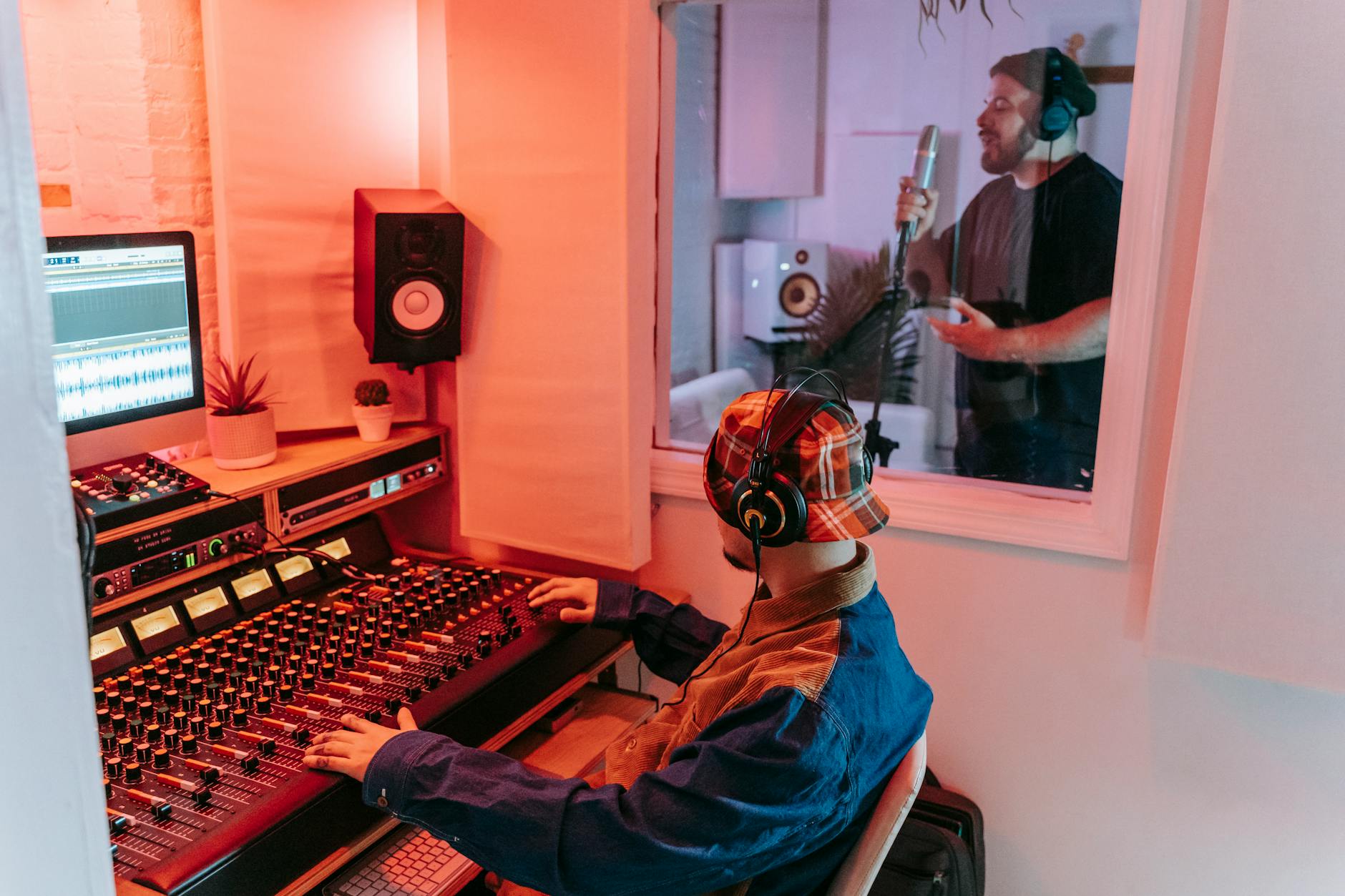
The technology is also reshaping how established artists think about their catalogs. Deep cuts from decades-old albums can suddenly find new audiences when AI identifies sonic connections to trending styles. This has led to renewed interest in comprehensive digitization of back catalogs and strategic re-releases timed to coincide with algorithmic trends.
User Behavior and Discovery Patterns
Early data from Spotify’s AI playlist rollout reveals fascinating shifts in how people interact with music streaming platforms. Users spend significantly more time exploring AI-generated playlists compared to traditional human-curated ones, with average session lengths increasing by roughly 30% when engaging with personalized AI content.
The feature has particularly resonated with younger demographics who grew up with algorithmic feeds on social media platforms. These users approach music discovery as an active conversation with AI, frequently refining and regenerating playlists until they achieve the perfect soundtrack for their current activity or mood. This behavior pattern suggests a fundamental change in how people conceptualize music consumption-from passive listening to collaborative curation.
Interestingly, AI playlists are driving increased engagement with genres users previously ignored. The algorithm’s ability to find gentler entry points into unfamiliar musical territories-perhaps through shared instrumentation or production techniques-has led to more diverse listening habits across Spotify’s user base. Jazz fusion tracks might appear in playlists for electronic music fans when the AI identifies common rhythmic patterns, gradually expanding musical horizons in ways that feel natural rather than forced.
The technology has also impacted listening session duration and completion rates. Users are more likely to play AI-generated playlists to completion compared to pre-made alternatives, suggesting the personalization creates stronger emotional connections to the musical journey. This enhanced engagement translates to increased artist discovery and more diverse streaming revenue distribution.
Competition and Industry Response
Spotify’s AI playlist success has intensified competition across the streaming landscape. Apple Music responded by enhancing its own algorithmic capabilities, while Amazon Music has invested heavily in voice-controlled playlist generation through Alexa integration. The race to perfect AI-driven music discovery has become a key battleground for user acquisition and retention.
This competitive pressure extends beyond traditional streaming platforms. Celebrity-owned streaming platforms are incorporating similar AI features to differentiate their offerings, though with smaller user bases and limited data, they face significant challenges in matching Spotify’s personalization accuracy.
The broader entertainment industry is taking notice as well. Film and television soundtrack supervisors are using AI playlist data to identify emerging trends and gauge audience receptivity to different musical styles. Concert promoters analyze AI-generated playlist popularity to inform booking decisions and predict which touring acts might resonate in specific markets.

Record producers are experimenting with AI-informed creative processes, using algorithmic insights to guide artistic decisions during recording sessions. While controversial among purists, this approach has yielded commercially successful releases that seem perfectly calibrated for streaming platform algorithms while maintaining artistic integrity.
The Future of Musical Discovery
As Spotify continues refining its AI playlist technology, the implications for music discovery extend far beyond streaming platforms. Integration with smart home devices, wearable technology, and automotive systems promises to make personalized soundtracks a seamless part of daily life. Imagine playlists that automatically adjust based on your heart rate during workouts or traffic patterns during your commute.
The technology also holds potential for cross-platform integration with virtual reality concert experiences, where AI could curate immersive musical journeys that blend familiar favorites with live performance elements. As VR technology becomes more mainstream, the boundary between playlist listening and concert attendance may blur significantly.
Looking ahead, Spotify’s AI playlist feature represents more than just improved music recommendations-it’s reshaping the fundamental relationship between listeners, artists, and the vast universe of recorded music. As the technology continues evolving, the next phase of music discovery will likely feel less like searching through a library and more like having a conversation with an infinitely knowledgeable friend who always knows exactly what you need to hear.
Frequently Asked Questions
How does Spotify’s AI playlist feature work?
It analyzes your listening habits, audio features, and contextual data to create personalized playlists that adapt based on your feedback and current mood.
Can AI playlists help discover new artists?
Yes, the algorithm identifies sonic similarities between known favorites and emerging tracks, introducing new artists through familiar musical elements.