


The sound of microphones clicking on and cameras rolling has shifted from traditional studio lots to converted warehouses and high-tech podcast facilities across Los Angeles, New York, and Austin. Major entertainment figures are discovering that podcast studios offer something Hollywood production houses increasingly struggle to provide: creative control, lower overhead costs, and direct audience connection without network gatekeepers.
What started as simple recording setups in spare bedrooms has evolved into sophisticated multimedia production facilities that rival traditional television studios. Companies like Spotify’s Gimlet Media, Joe Rogan’s setup at his Austin compound, and Conan O’Brien’s Team Coco Audio have transformed podcast production into legitimate entertainment powerhouses, complete with live audiences, multiple camera angles, and post-production teams that would make Netflix envious.
The Infrastructure Revolution
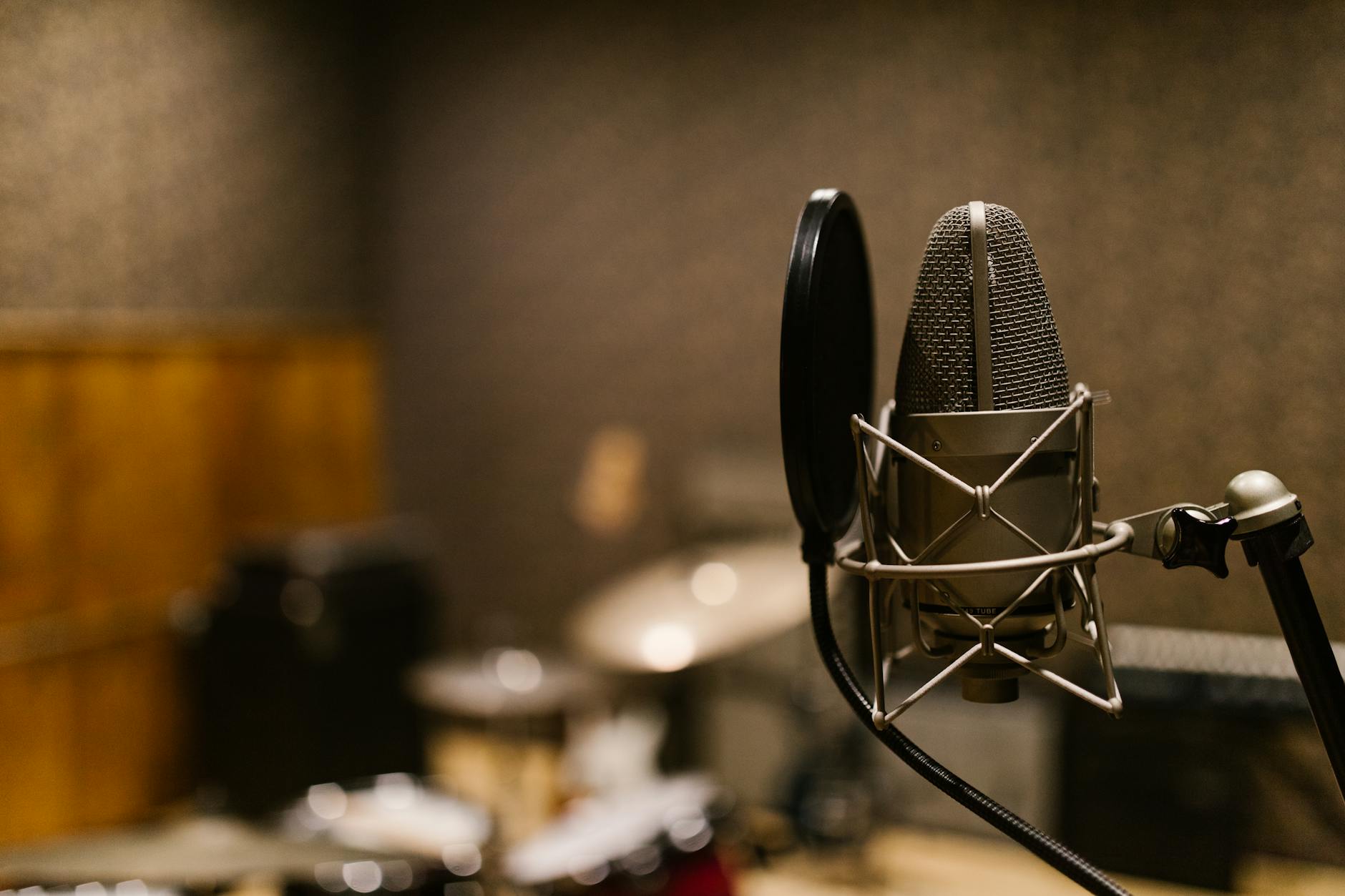
Modern podcast studios bear little resemblance to their humble beginnings. Facilities like Spotify’s newest Los Angeles studio feature acoustically treated rooms, professional lighting rigs, and camera systems that simultaneously capture content for audio, video, and social media distribution. The Joe Rogan Experience operates from a custom-built facility that includes multiple recording spaces, a live audience area, and streaming capabilities that can reach millions of viewers in real-time.
These facilities cost significantly less than traditional television production. While a single episode of a network sitcom might require hundreds of thousands of dollars in production costs, podcast studios can produce hours of content weekly for a fraction of that investment. The economics have attracted major players: Amazon’s Wondery operates multiple facilities, while SiriusXM has invested heavily in studio infrastructure that serves both radio and podcast production.
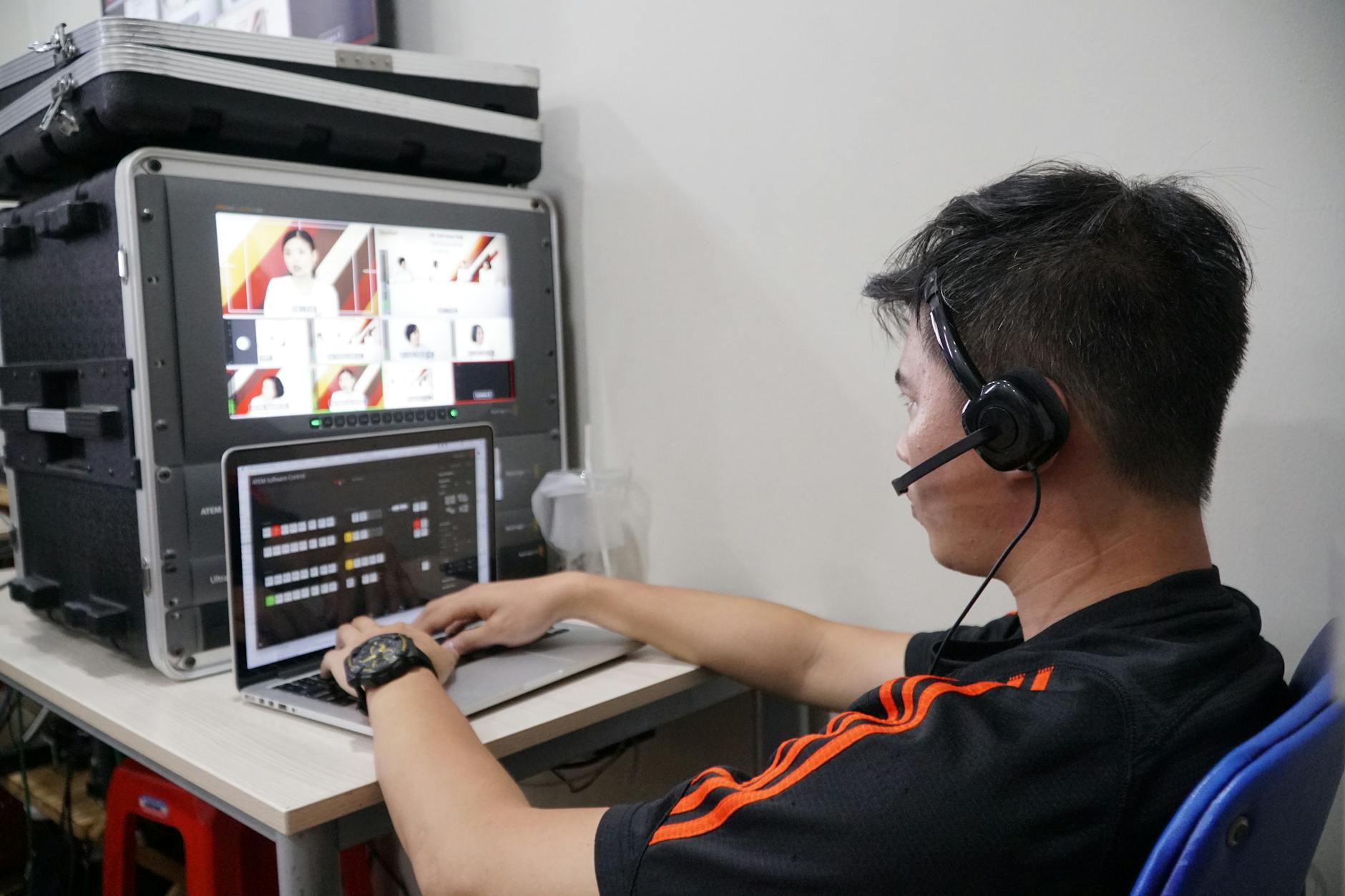
The technical capabilities have reached professional broadcast standards. Studios now employ boom operators, multiple camera crews, and post-production teams. Many facilities can livestream directly to platforms like YouTube, Twitch, and Spotify, creating real-time audience engagement that traditional media struggles to match. This immediate feedback loop allows creators to adjust content on the fly, something impossible in traditional television production.
Celebrity Migration and Content Control
A-list celebrities are gravitating toward podcast production for reasons that extend beyond mere trend-following. Actors like Dax Shepard with “Armchair Expert,” Reese Witherspoon through her Hello Sunshine audio division, and Will Smith’s Westbrook Audio represent a fundamental shift in how entertainment figures approach content creation.
The appeal centers on creative autonomy. Unlike film and television projects that require studio approval, network notes, and extensive oversight, podcast production allows celebrities to maintain editorial control while building direct relationships with their audiences. This control extends to monetization – creators can negotiate their own sponsorship deals, maintain ownership of their content, and diversify revenue streams without studio interference.
The financial models prove increasingly attractive. While traditional entertainment projects might tie up celebrities for months or years with uncertain profit participation, successful podcasts generate consistent revenue through advertising, premium subscriptions, and merchandise sales. Joe Rogan’s exclusive Spotify deal, reportedly worth over $100 million, demonstrated the financial potential of podcast content, attracting attention from agents and managers across Hollywood.
Production Value Meets Streaming Innovation
The line between podcast studios and traditional production houses continues to blur as facilities upgrade their capabilities. Team Coco’s operation includes writers’ rooms, guest coordination teams, and marketing departments that function like scaled-down television networks. These studios now produce content that competes directly with streaming platforms, often with faster turnaround times and more flexible formats.
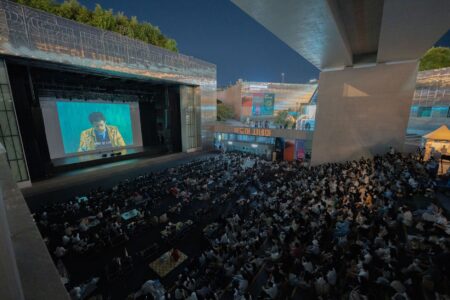
Live audience integration has become a standard feature. Facilities in major markets regularly host live recordings that sell out venues, creating additional revenue streams while generating content that feels more dynamic than traditional studio recordings. The immediate audience reaction adds energy that translates well to both audio and video formats, creating content that works across multiple platforms simultaneously.
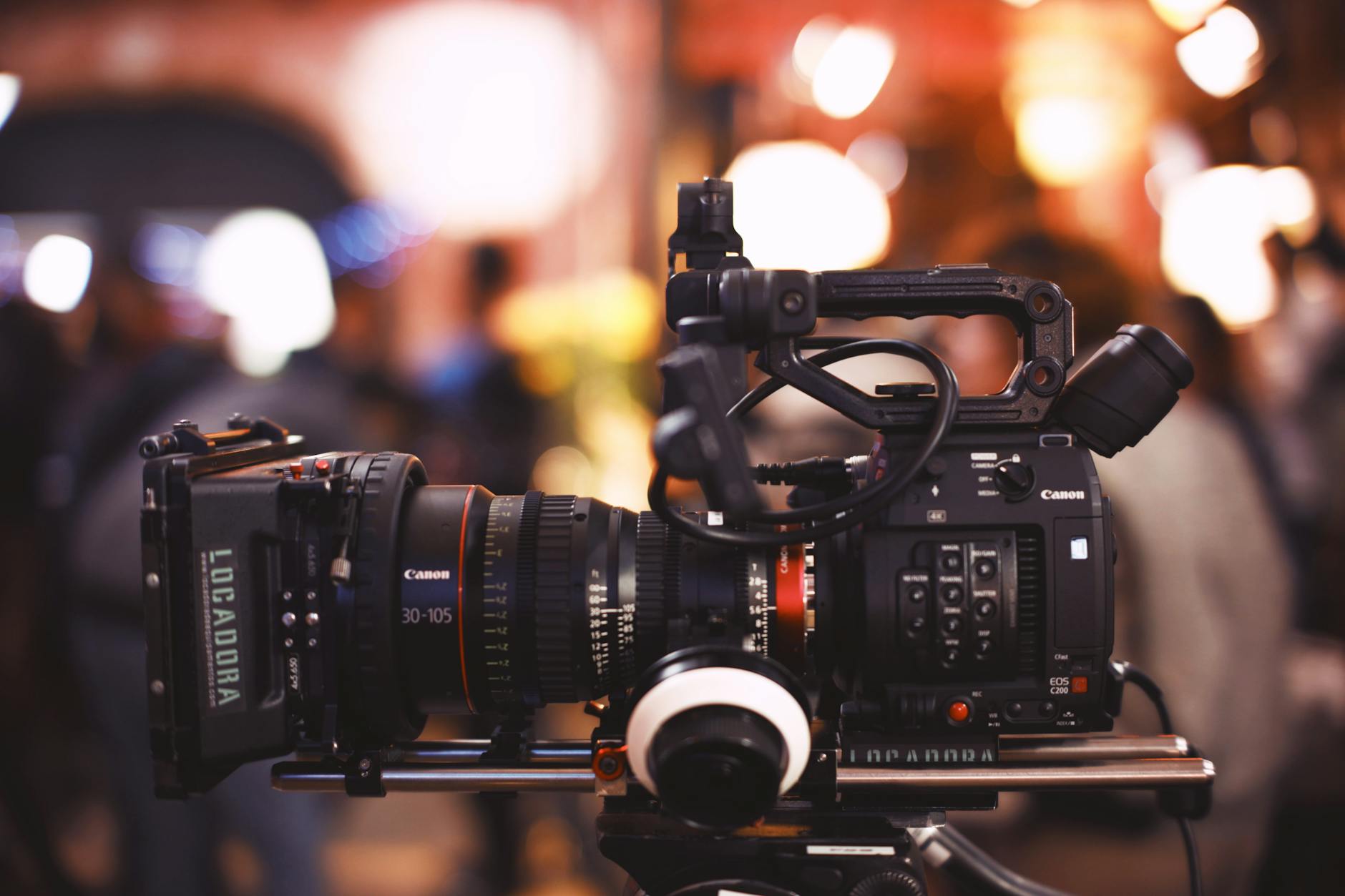
Video podcast production has pushed these facilities toward television-quality output. Multi-camera setups, professional lighting, and real-time graphics capabilities mean that podcast content can launch directly onto YouTube, streaming platforms, and social media without additional production steps. This efficiency allows creators to maximize their content investment while maintaining the spontaneous feel that makes podcasts appealing.
The integration with social media platforms has created new distribution models. Studios design content specifically for clips that perform well on TikTok, Instagram, and Twitter, understanding that these short-form excerpts often drive listeners back to full episodes. This approach mirrors how traditional entertainment companies now create content, but podcast studios execute it more efficiently and with faster response times.
Industry Transformation and Market Response
Traditional entertainment companies have taken notice of podcast studios’ success and begun investing heavily in the space. Netflix launched its own audio division, while Disney has expanded podcast production through multiple subsidiaries. These investments signal recognition that podcast studios have identified sustainable production models that traditional entertainment often struggles to achieve.
The geographic distribution of podcast studios has also disrupted entertainment’s traditional concentration in Los Angeles and New York. Austin has emerged as a major podcast hub, with Rogan’s move attracting other creators and supporting businesses. Nashville, Chicago, and Atlanta have developed their own podcast ecosystems, offering creators alternatives to expensive coastal markets while maintaining professional production standards.
Talent agencies have adapted their representation models to accommodate podcast production. CAA, WME, and UTA now have dedicated podcast divisions that negotiate deals, secure sponsorships, and develop multimedia strategies that treat podcast content as seriously as film and television projects. This institutional support provides creators with resources previously available only to traditional media productions.
The relationship between podcast studios and streaming platforms continues to evolve. Exclusive content deals with Spotify, Apple, and Amazon have created competition for premium podcast content that rivals the streaming wars in television. This competition drives investment in studio facilities and talent, further professionalizing the industry while maintaining the creative flexibility that initially attracted creators to the medium.
As entertainment consumption continues shifting toward on-demand, personality-driven content, podcast studios represent more than a passing trend – they’re becoming essential infrastructure for modern media production. The combination of creative control, economic efficiency, and direct audience connection has created a sustainable alternative to traditional entertainment production that shows no signs of slowing down.
The success of podcast studios suggests that the future of entertainment production might be smaller, more agile, and more creator-focused than the massive production houses that have dominated Hollywood for decades. As these facilities continue expanding their capabilities and attracting top-tier talent, they’re not just competing with traditional media – they’re redefining what entertainment production looks like in the digital age. The microphone has become as powerful as the movie camera, and the studios built around them are proving that sometimes the best way forward is to start from scratch.
Frequently Asked Questions
Why are celebrities choosing podcast studios over traditional media?
Podcast studios offer creative control, lower production costs, direct audience connection, and faster content turnaround without network interference.
How do podcast studio production costs compare to traditional television?
Podcast studios can produce hours of content weekly for a fraction of what a single television episode costs, while maintaining professional broadcast quality.