



The concert industry just generated over $5 billion in streaming revenue last year, fundamentally reshaping how artists connect with audiences and monetize their performances. What started as an emergency pandemic solution has evolved into a sophisticated revenue ecosystem that’s attracting major labels, streaming platforms, and tech companies alike.
Live streaming concerts initially served as a lifeline when venues shuttered globally. Artists like Travis Scott’s Fortnite performance drew 45 million viewers, while Billie Eilish’s livestreamed concert generated millions in ticket sales from fans’ living rooms. Now, these digital experiences have matured into hybrid models that complement rather than replace traditional touring.
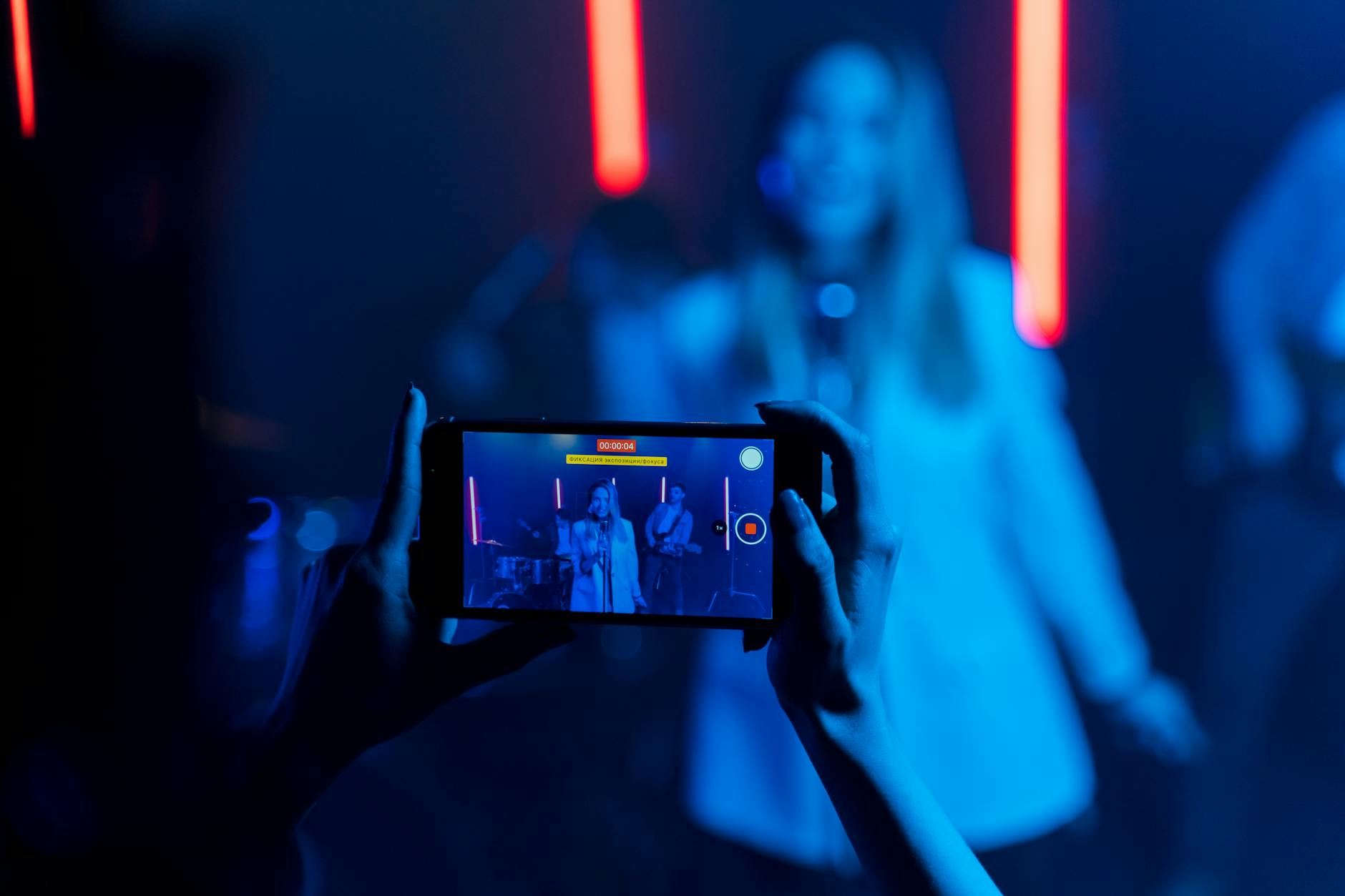
The transformation extends beyond simple camera setups streaming to Facebook or Instagram. Professional concert streaming now involves multi-camera productions, interactive features, virtual merchandise booths, and tiered pricing structures that mirror traditional ticketing. Artists are discovering they can reach global audiences without the logistical challenges and carbon footprint of worldwide tours.

Virtual Venue Monetization Strategies
Artists and promoters have developed sophisticated pricing tiers for streamed concerts that often surpass traditional venue limitations. A typical livestream concert might offer basic viewing for $15, premium multi-angle access for $35, and VIP experiences with backstage content and artist meet-and-greets for $75 or more.
The economics prove compelling for performers. Traditional concerts require venue rental, equipment transport, crew travel, and accommodation costs that can consume 70% of gross revenue. Streaming concerts eliminate most overhead while potentially reaching audiences 10 times larger than physical venues allow.
Major artists like Metallica, Coldplay, and BTS have pioneered subscription models where fans pay monthly fees for exclusive concert access, behind-the-scenes content, and early ticket sales for physical shows. These recurring revenue streams provide financial stability between album releases and tours.
Interactive features drive additional revenue through virtual merchandise sales, song requests, and personalized shout-outs. Fans can purchase branded virtual items, request specific songs for additional fees, or pay for brief acknowledgments during performances. Some artists report that virtual merchandise sales during streaming concerts exceed physical merchandise sales at traditional venues.
Platform Wars and Revenue Sharing
Streaming platforms are aggressively competing for exclusive concert content. Twitch, YouTube, Instagram, and newer platforms like Moment House and Veeps offer different revenue-sharing models and technical capabilities.
Twitch traditionally takes 50% of subscription revenue but offers robust interactive features and established gaming audiences that cross over to music content. YouTube provides superior video quality and global reach but higher technical barriers for interactive features. Instagram offers seamless social integration but limited monetization options.
Specialized concert streaming platforms have emerged to address these limitations. Moment House focuses exclusively on live music events with features like timed merchandise releases during performances and post-show artist Q&As. Veeps, co-founded by Joel Madden of Good Charlotte, emphasizes artist control and higher revenue shares.
Record labels are launching their own streaming initiatives. Universal Music Group’s partnership with TikTok includes exclusive concert content, while Sony Music has invested heavily in virtual concert production capabilities. These moves suggest major industry players view streaming concerts as permanent revenue streams rather than temporary solutions.

Technology Integration and Fan Engagement
Advanced production techniques now rival traditional television broadcasts. Multi-camera setups with drone footage, augmented reality elements, and real-time fan interaction create viewing experiences impossible in physical venues. Artists like The Weeknd have incorporated elaborate virtual sets and special effects that would be prohibitively expensive for touring.
Fan engagement tools have evolved beyond simple chat functions. Viewers can influence lighting colors, vote on setlists, and participate in synchronized activities like virtual lighter waving. Some platforms offer “virtual front row” experiences with premium camera angles and spatial audio that simulates being near the stage.
Data analytics provide artists unprecedented insights into audience behavior. Streaming platforms track which songs generate the most engagement, where viewers drop off, and what interactive features drive purchases. This information influences future performance planning and merchandise strategies.
The technology has also enabled innovative collaboration formats. Artists can perform together virtually from different locations, creating unique experiences impossible in traditional venues. These collaborations often generate additional revenue through cross-promotion and shared audience access.
Hybrid Models and Future Integration
The most successful artists now integrate streaming and live performances rather than treating them as separate entities. Tours might include select shows that are simultaneously streamed globally, creating larger combined audiences and multiple revenue streams from single performances.
Some venues are retrofitting with permanent streaming infrastructure, allowing them to monetize performances beyond physical capacity. The Hollywood Bowl and Red Rocks Amphitheatre have invested in professional streaming capabilities that generate revenue even when physical attendance is limited.
This evolution parallels broader entertainment industry trends, where video game soundtracks are crossing over to Billboard charts, demonstrating how digital-first content increasingly influences traditional media formats.
Corporate sponsorship has adapted to streaming formats with virtual brand integrations, sponsored interactive features, and targeted advertising based on viewer data. These partnerships often generate higher per-viewer revenue than traditional venue sponsorships due to detailed audience analytics and extended engagement windows.
The concert streaming industry shows no signs of plateauing as technology continues advancing and audience expectations evolve. Virtual reality concert experiences are entering beta testing with major artists, promising even more immersive and potentially lucrative engagement models. As the line between digital and physical entertainment continues blurring, streaming concerts represent just the beginning of a fundamental shift in how live music creates value for artists, venues, and fans globally.
Frequently Asked Questions
How much can artists earn from streaming concerts?
Streaming concerts can generate higher profit margins than traditional venues by eliminating venue costs while reaching larger global audiences.
What platforms offer the best revenue sharing for artists?
Specialized platforms like Moment House and Veeps typically offer better revenue shares than general social media platforms like Instagram or Facebook.