

Emma Stone has quietly transformed her passion for ceramics into Hollywood’s most unexpected creative sanctuary. What started as a personal hobby during the pandemic has evolved into a bustling pottery studio where A-listers trade scripts for clay and find therapeutic escape from the industry’s relentless pace.
The Academy Award winner’s Venice Beach studio, tucked away in a converted warehouse space, has become the entertainment industry’s worst-kept secret. Stone, who discovered pottery during lockdown as a way to manage anxiety, never intended to create a business venture. Instead, she found herself hosting impromptu sessions for friends who were equally drawn to the meditative nature of working with clay.
“I needed something that forced me to be present,” Stone shared in a recent interview. “You can’t think about box office numbers or award campaigns when you’re centering clay on a wheel. Your hands have to know what they’re doing, and your mind has to be right there with them.”
From Personal Therapy to Hollywood Haven
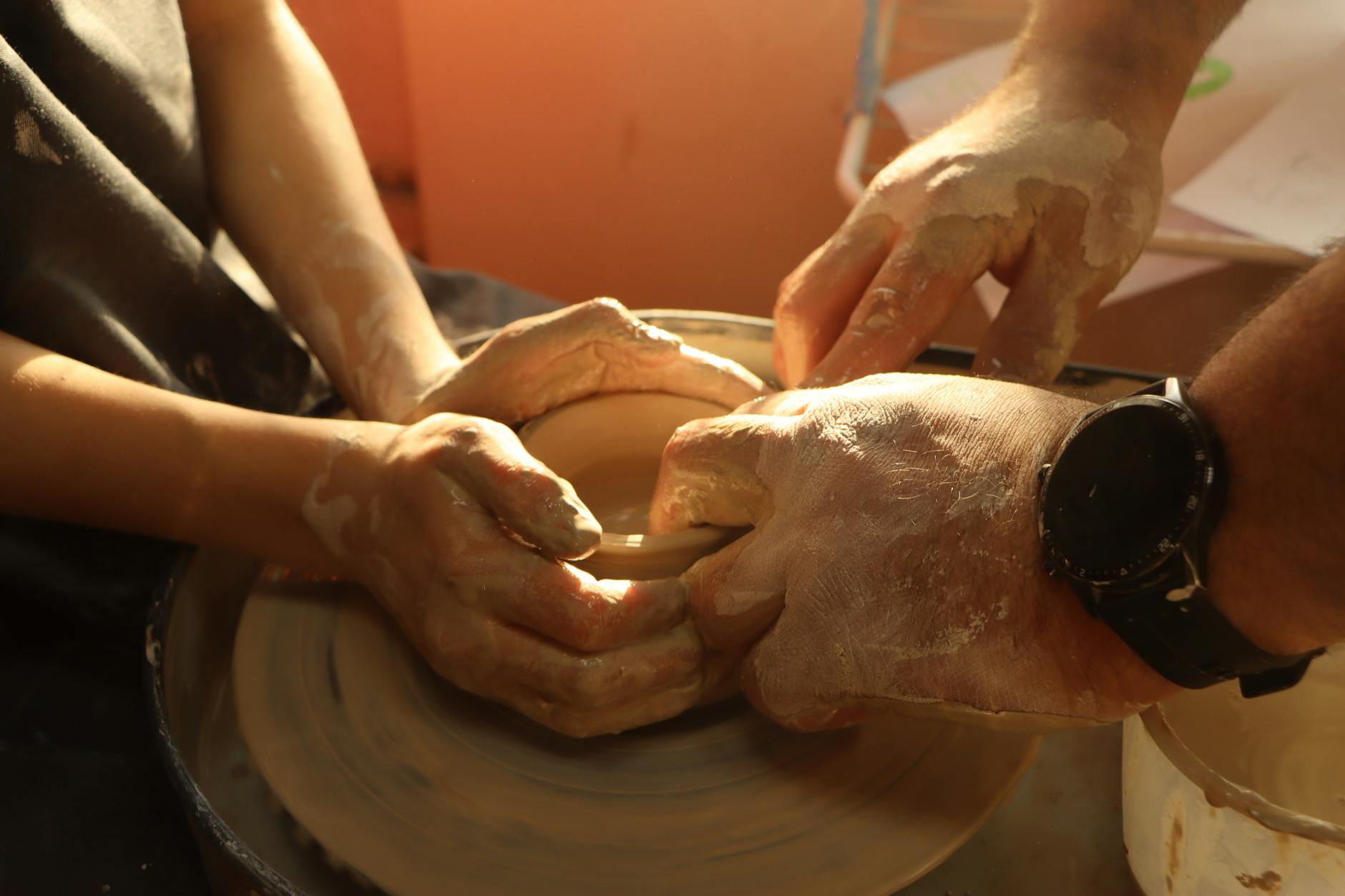
Stone’s journey into ceramics began during the height of pandemic restrictions. With film productions halted and promotional tours canceled, she found herself with unexpected downtime. A friend gifted her a pottery wheel, and what started as casual experimentation quickly became a daily ritual.
The therapeutic benefits were immediate. Stone, who has been open about her struggles with anxiety and panic attacks, discovered that the tactile nature of clay work provided a unique form of mindfulness practice. Unlike meditation apps or breathing exercises, pottery demanded complete physical and mental engagement.
Word spread organically through Stone’s inner circle. Fellow actors began dropping by for informal sessions, drawn by curiosity and the promise of a screen-free creative outlet. What emerged was an unlikely community of performers, directors, and writers who found solace in the ancient art of pottery.
The studio’s reputation grew through whispered recommendations rather than publicity campaigns. Stone has intentionally kept the space low-key, with no social media presence and a strict no-phones policy during sessions. This digital detox element has proven particularly appealing to celebrities accustomed to constant connectivity and public scrutiny.
Celebrity Craftsmanship and Unexpected Talents
The studio’s roster of regulars reads like a Hollywood call sheet, though Stone maintains strict privacy about who attends. Sources familiar with the space describe weekly sessions that feel more like art therapy than celebrity networking events. Participants wear old clothes, get their hands dirty, and often spend hours working in comfortable silence.
The appeal extends beyond the therapeutic benefits. Many actors report that pottery has improved their on-screen presence, particularly in scenes requiring physical precision or emotional vulnerability. The connection between handwork and emotional expression has become an unexpected tool for character development.
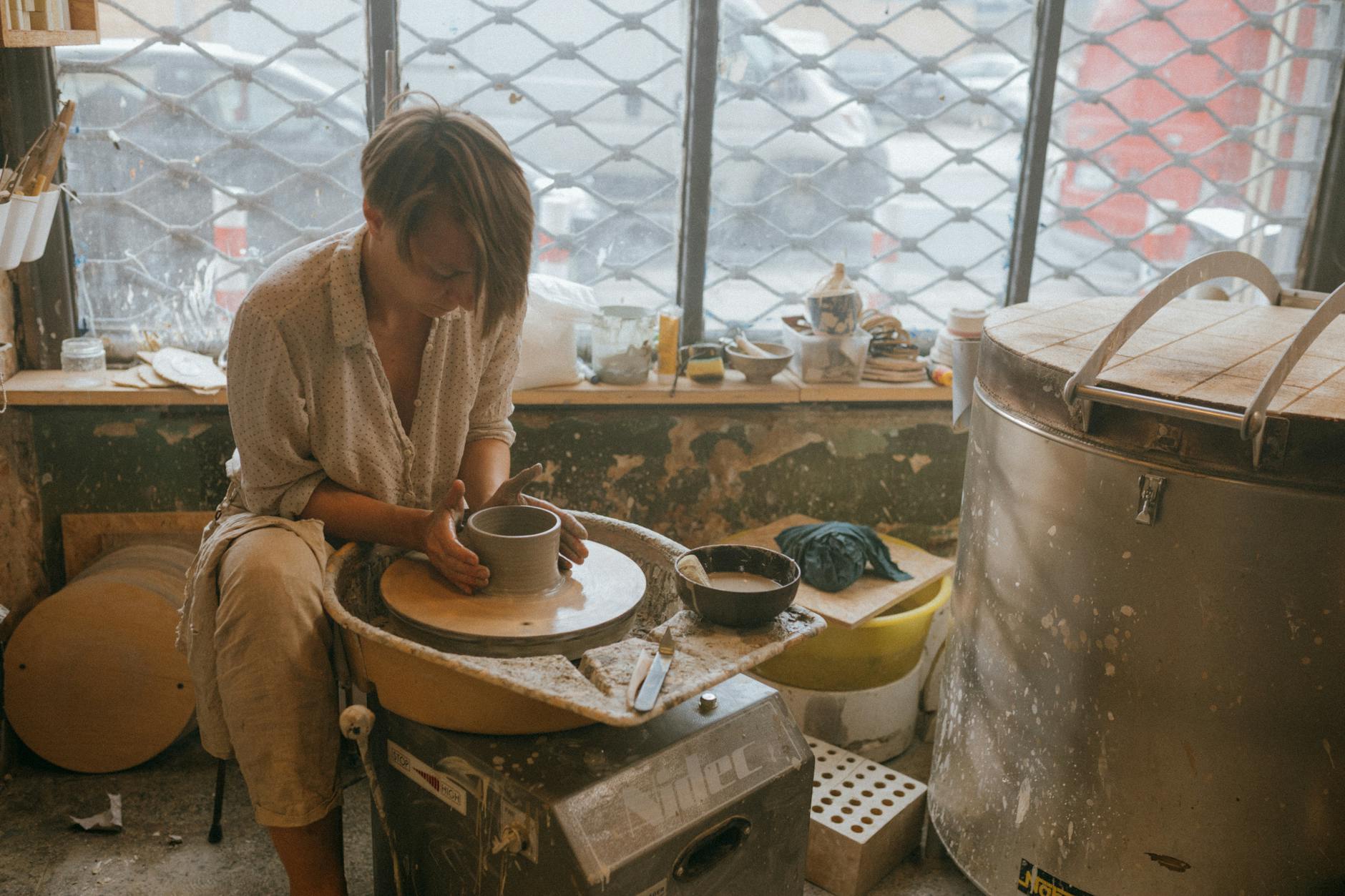
Stone has partnered with local ceramic artists to provide instruction, ensuring professional guidance while maintaining the studio’s intimate atmosphere. These artists, many of whom are recent graduates from nearby art schools, benefit from both the steady work and the unique clientele that has elevated their own profiles within the creative community.
The studio operates on a membership model, with participants contributing to cover materials, equipment maintenance, and instructor fees. Stone has resisted suggestions to formalize the operation into a traditional business, preferring to keep it as a creative collective. This approach mirrors trends seen in other celebrity ventures, where stars leverage their influence to create meaningful experiences rather than traditional profit centers.
Industry Impact and Creative Crossover
The pottery studio phenomenon reflects a broader shift in Hollywood toward authentic creative expression and mental health awareness. Industry professionals, long accustomed to compartmentalizing personal wellness and professional demands, are increasingly seeking integrated approaches to creativity and self-care.
Several studio regulars have incorporated pottery themes into their professional projects. One prominent director reportedly restructured a film’s production schedule to include pottery sessions for cast members, using the shared creative experience to build ensemble chemistry. Another actor has begun collecting handmade ceramics from emerging artists, creating a collection that reflects both personal taste and support for the craft community.
The studio’s influence extends beyond individual participants. Stone’s approach to creating a judgment-free creative space has inspired similar initiatives across the entertainment industry. Other celebrities have launched passion projects that prioritize artistic integrity over commercial returns, suggesting a cultural shift toward more meaningful creative ventures.
Industry observers note that Stone’s pottery studio represents a new model for celebrity influence. Rather than traditional product endorsements or business ventures, she has created a space that serves both personal needs and community building. This approach resonates with younger audiences who value authenticity and social impact over pure entertainment.
The Therapeutic Revolution in Entertainment
Mental health awareness in Hollywood has reached a tipping point, with studios and production companies increasingly incorporating wellness resources into their operations. Stone’s pottery studio exists at the intersection of this trend and the growing recognition of art therapy’s benefits.
Clinical research supports what studio participants experience firsthand. Pottery and other hands-on creative activities activate neural pathways associated with stress reduction and emotional regulation. For performers whose work often requires accessing vulnerable emotional states, having healthy processing mechanisms becomes crucial for career longevity.
The studio’s success has attracted attention from wellness professionals and entertainment industry executives exploring similar initiatives. Several major talent agencies have reportedly inquired about creating their own versions of Stone’s model, though none have successfully replicated the authentic community atmosphere she has cultivated.
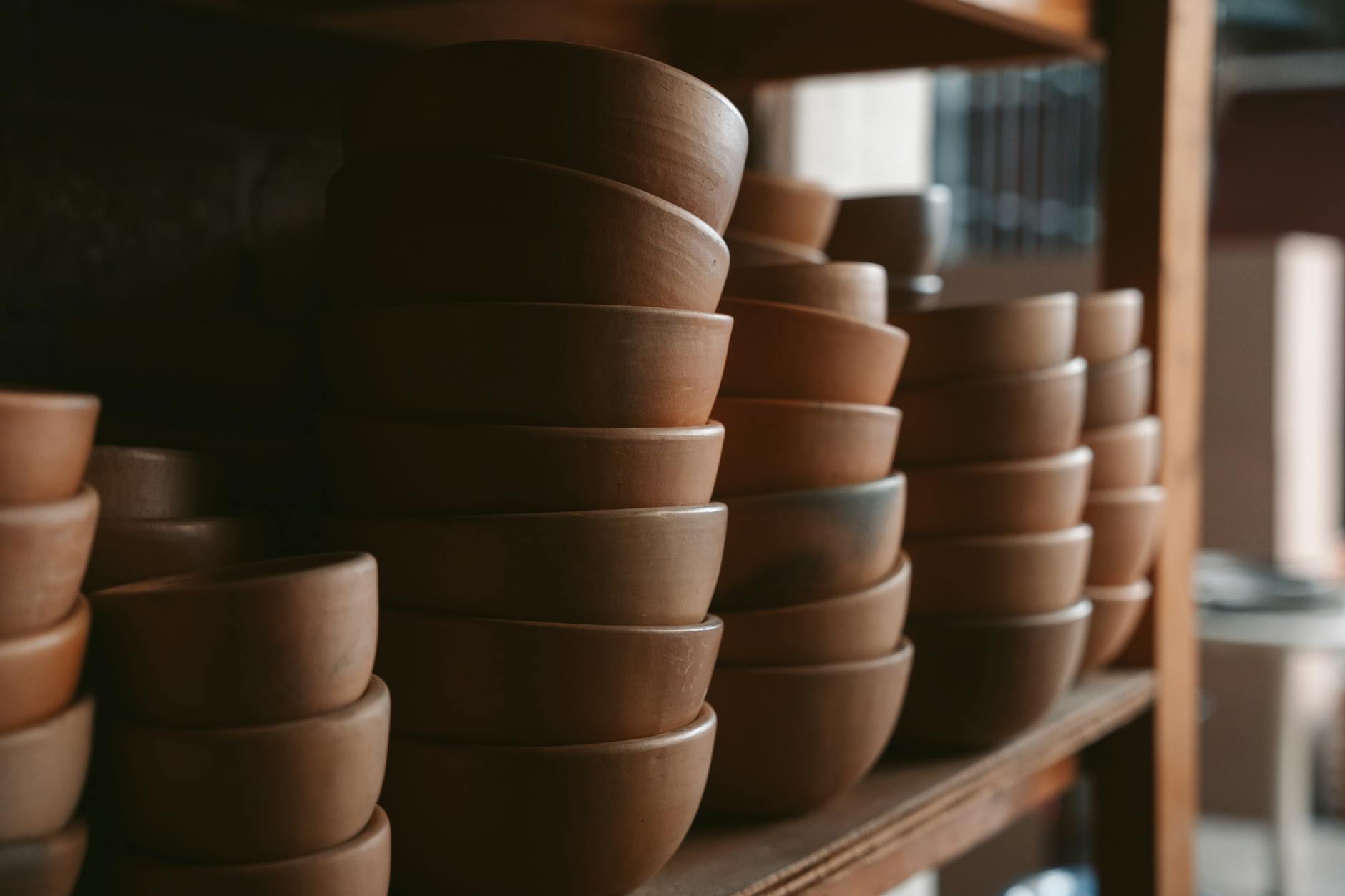
Stone’s commitment to keeping the studio non-commercial has been both praised and questioned within industry circles. While some view it as a missed business opportunity, others argue that the space’s value lies precisely in its separation from commercial pressures. The studio exists as a rare environment where Hollywood’s most recognizable faces can engage in genuine creative exploration without performance expectations.
As the entertainment industry continues grappling with issues of mental health, work-life balance, and authentic creative expression, Stone’s pottery studio stands as a compelling case study. It demonstrates how individual passion projects can evolve into community resources that address broader industry needs while maintaining personal authenticity.
The studio’s future remains intentionally uncertain, with Stone preferring organic growth over strategic planning. What seems certain is that her experiment in clay and community has created something uniquely valuable in an industry often criticized for prioritizing image over substance. Whether other celebrities will successfully adapt this model remains to be seen, but Stone’s pottery studio has already established itself as more than a hobby – it’s become a quiet revolution in how Hollywood thinks about creativity, community, and personal well-being.
Frequently Asked Questions
Where is Emma Stone’s pottery studio located?
The studio is located in a converted warehouse space in Venice Beach, California.
Can the public visit Emma Stone’s pottery studio?
The studio operates as a private creative collective with a membership model and maintains strict privacy for participants.