


Broadway theaters are transforming centuries-old storytelling traditions with cutting-edge augmented reality technology, creating immersive experiences that blur the lines between digital innovation and live performance. Major productions are now incorporating AR elements that allow audiences to see additional layers of narrative through smartphone apps and specialized devices.
The Great White Way has always been synonymous with innovation, from the introduction of electric lighting to sophisticated sound systems. Now, theater producers and creative teams are embracing AR as the next frontier in audience engagement, offering patrons new ways to experience familiar stories while maintaining the irreplaceable magic of live performance.
AR-Enhanced Storytelling Takes Center Stage
Several Broadway productions have begun integrating augmented reality features that complement rather than compete with live action. These implementations range from pre-show experiences that provide historical context to mid-performance overlays that reveal character thoughts or hidden story elements.
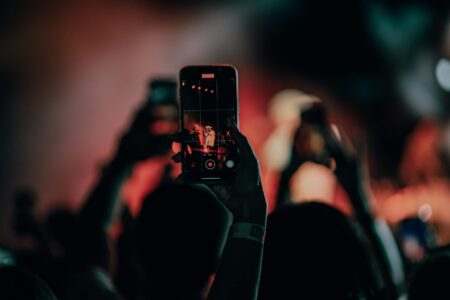
The technology works through dedicated theater apps that audience members download before attending shows. During specific moments, patrons can hold up their devices to see digital characters, floating text, or animated sequences that appear to exist in the same space as the live performers. Some theaters have also installed AR-compatible screens in lobby areas where visitors can interact with virtual versions of characters or explore set pieces in detail.
Theater companies report that these AR elements are particularly effective during scene transitions, allowing audiences to remain engaged while sets change. The technology also enables creative teams to expand storytelling beyond the physical constraints of the stage, showing flashbacks, dream sequences, or parallel action that would be impossible to portray through traditional staging alone.
Technical Innovation Meets Theatrical Tradition
The integration of AR technology in Broadway productions requires careful coordination between technical teams and creative directors. Lighting designers must now consider how their work will appear through AR filters, while sound engineers calibrate audio cues that trigger digital content.
Many productions use beacon technology installed throughout theaters to ensure AR content appears at precisely the right moments. These systems can detect audience members’ locations within the venue and deliver personalized content based on seating position, creating unique viewing experiences for different sections of the theater.
The costume and makeup departments have also adapted their approaches to work seamlessly with AR overlays. Certain colors and patterns are now chosen specifically to enhance digital effects, while makeup artists use specialized techniques that ensure performers’ faces register correctly with facial recognition software that triggers character-specific AR content.

Some productions have experimented with shared AR experiences where audience members can see the same digital elements simultaneously, creating collective moments of wonder that enhance the communal aspect of theater. These shared experiences often include flying objects, weather effects, or magical transformations that appear to occur throughout the entire auditorium.
Audience Response and Creative Possibilities
Early audience reactions to AR-enhanced Broadway shows have been overwhelmingly positive, with many patrons reporting that the technology enhanced rather than distracted from the live performance. Surveys conducted by theater companies indicate that younger audiences particularly appreciate these innovative elements, while traditional theatergoers have expressed surprise at how seamlessly the technology integrates with classic storytelling techniques.
The creative possibilities seem endless as directors and choreographers discover new ways to use AR technology. Some productions now feature dance numbers where digital elements respond to performers’ movements in real-time, creating spectacular visual effects that would be impossible to achieve with traditional staging. Others use AR to provide multiple language translations that appear as floating text, making Broadway more accessible to international audiences.
Theater education programs have also embraced AR technology, offering behind-the-scenes content that appears when audience members point their devices at specific set pieces or costume elements. These educational overlays provide information about historical periods, design processes, or cultural context relevant to the production.
The success of these AR implementations has caught the attention of the broader entertainment industry, with live concert streaming creating new revenue models that incorporate similar interactive technologies.
Challenges and Future Developments
Despite the enthusiasm for AR integration, Broadway productions face several challenges in implementing this technology effectively. Battery life remains a concern for audience members using personal devices throughout lengthy performances, leading some theaters to install charging stations or provide rental devices with extended battery capacity.
Theater companies must also balance the desire for innovation with respect for traditional theater etiquette. Clear guidelines now exist regarding when audiences can use devices for AR experiences without disturbing other patrons or performers. Many productions designate specific moments for AR interaction while maintaining device-free periods during crucial dramatic scenes.
The cost of developing custom AR applications and maintaining the necessary technical infrastructure represents a significant investment for theater companies. However, many producers view this technology as essential for attracting new audiences and remaining competitive in an entertainment landscape increasingly dominated by digital experiences.
Training requirements for theater staff have expanded to include technical support for AR systems, and many venues now employ dedicated technology coordinators who ensure smooth operation of digital elements during each performance.

Looking ahead, Broadway’s embrace of augmented reality represents just the beginning of a technological transformation that could reshape live entertainment. As AR technology becomes more sophisticated and accessible, theater companies are exploring possibilities like holographic performers, interactive set pieces that respond to audience participation, and immersive pre-show experiences that begin the storytelling process before audiences enter the theater.
The success of these early AR implementations suggests that Broadway has found a way to honor its rich traditions while embracing the digital future, creating experiences that could define the next century of live theater.
Frequently Asked Questions
How does augmented reality work in Broadway theaters?
Audiences use theater apps on smartphones or rental devices to see digital overlays, characters, and effects that appear alongside live performers during specific moments.
Does AR technology distract from the live performance?
Most audience surveys indicate AR enhances rather than distracts from shows, with clear guidelines ensuring appropriate usage during performances.