



The Gucci Bamboo bag was never supposed to come back this quietly. No major campaign, no celebrity announcement, no limited-edition fanfare – just a slow, deliberate reappearance across resale platforms, archive fashion accounts, and the arms of women who clearly did their homework.
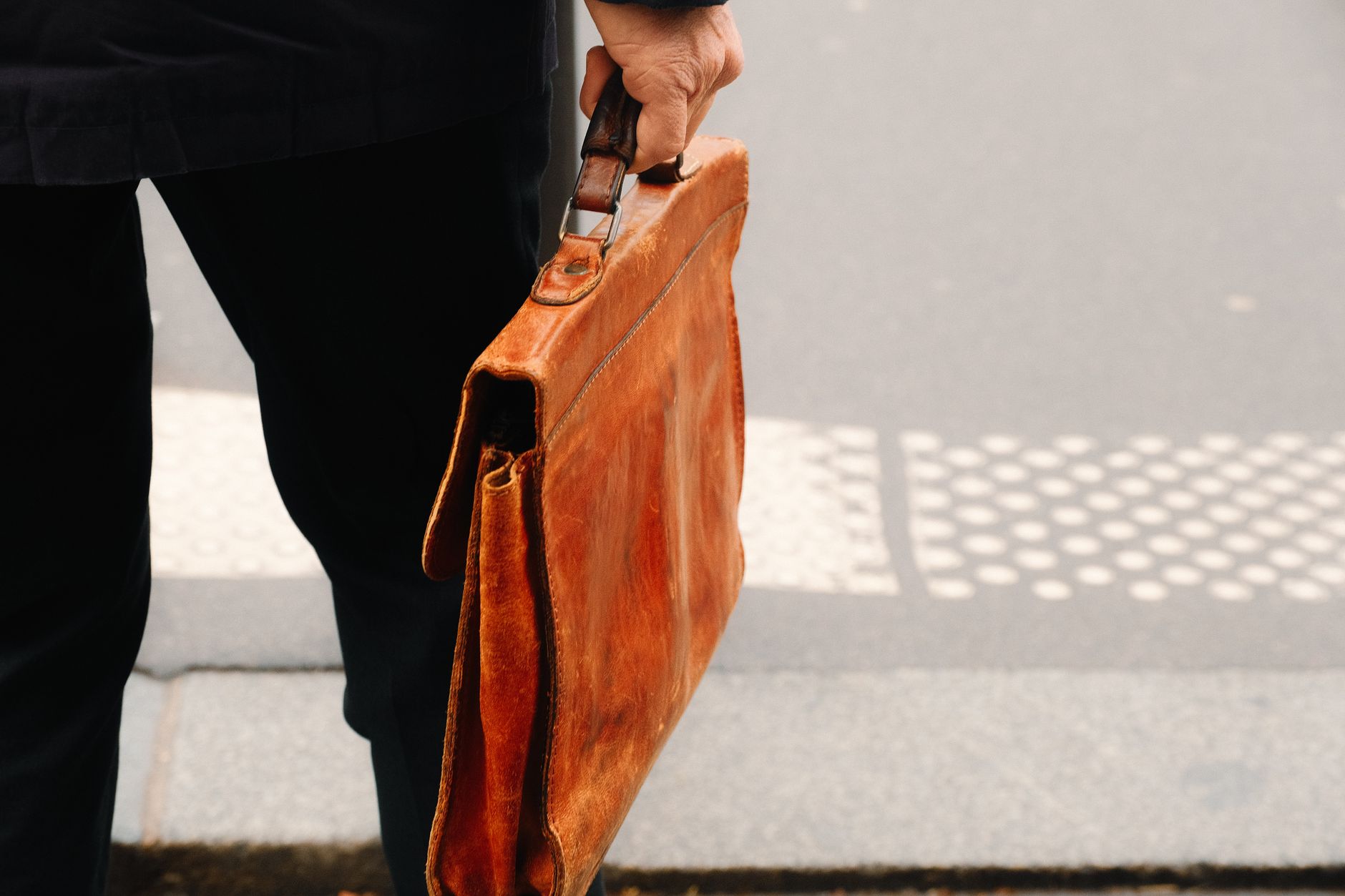
A Handle Born From Postwar Necessity
The Bamboo bag’s origin story is one of fashion’s most genuinely interesting accidents. Created in 1947, the bag came directly out of wartime material shortages. Gucci’s craftsmen, unable to source the traditional leather and metal hardware they relied on, turned to bamboo – specifically Japanese bamboo, which they discovered could be bent and shaped using heat without splintering. The resulting handle was both a structural solution and, entirely by coincidence, something that looked like nothing else in the market.
That handle is the bag’s whole argument. Curved into a half-moon or full hoop shape, steam-treated and lacquered, it remains one of the few construction techniques in luxury fashion that genuinely cannot be faked cheaply. The process is labor-intensive enough that counterfeit versions always give themselves away – the bamboo either doesn’t hold its shape or lacks the smooth, almost glassy finish of the real article. This isn’t a bag whose value rests on a logo. The craft is the value.
Through the 1950s and 1960s, the Bamboo became shorthand for a specific kind of sophisticated woman – the type who traveled between continents, dressed for dinner, and understood that restraint was its own form of power. Grace Kelly carried one. Audrey Hepburn was photographed with one. Those associations didn’t fade so much as they got buried under decades of fashion cycles that prioritized different signals: louder branding, seasonal newness, the kind of status legibility that didn’t require any background knowledge.
Gucci itself drifted away from the Bamboo during its maximalist years, when the GG monogram canvas and the horsebit loafer became the brand’s dominant visual language. The bag never disappeared from the collection entirely, but it stopped being the focal point. It became something the house kept alive out of a sense of institutional memory more than commercial ambition.
Why the Resale Market Is Doing the Marketing
The current revival didn’t start with Gucci’s design team. It started with resale. Vintage sellers on platforms like Vestiaire Collective and The RealReal began noticing that 1970s and 1980s Bamboo pieces – particularly the structured top-handle versions in tan or black leather – were moving faster than comparable archive pieces from other houses. Buyers weren’t just collectors. They were women in their late twenties and thirties who wanted a bag with a story that wasn’t reducible to a dust-up between a creative director and a brand’s heritage committee.
This is the particular appeal of archive fashion right now. There’s a growing weariness with bags that exist primarily as status broadcasts – the kind where the price tag is the point and the design is an afterthought. The Bamboo sidesteps that entirely. Its value proposition is almost anti-contemporary: it rewards people who know what they’re looking at, and it’s largely invisible to people who don’t. That dynamic is increasingly attractive to a buyer who has already cycled through the more obvious luxury options.
The styling choices surrounding the bag’s resurgence are telling. On fashion accounts and in street style photography, the Bamboo is appearing alongside minimal tailoring – wide-leg trousers, simple knitwear, unadorned coats. It’s being positioned as a counterweight to maximalism, a grounding element in outfits that want to signal taste without volume. The bag doesn’t fight for attention, which is exactly why it’s getting it. For those drawn to this kind of deliberate, craft-forward resurgence, the conversation happening around Ferragamo’s Wanda bag runs along very similar lines.
Gucci has noticed. The house has quietly expanded the Bamboo’s presence in recent runway appearances and in-store displays, reintroducing updated colorways while keeping the core construction intact. This isn’t a reinvention – it’s a recalibration. The house seems to understand that the bag’s credibility depends on not over-explaining it, not attaching it to a trend, and not making it the subject of a breathless campaign that would immediately date it.
The pricing strategy reflects a similar instinct. Vintage Bamboo bags in good condition have climbed noticeably in resale value over the past two years, particularly the more minimal styles without heavy decorative hardware. New retail versions hold their price partly because the manufacturing process hasn’t been simplified – the bamboo handle still requires the same heat-bending technique developed in the 1940s. There are no shortcuts built into the production, which means there’s no margin compression to pass on to consumers. The bag costs what it costs because making it cheaper would break the thing that makes it worth buying.
Archive Status and What It Actually Means
Not every old bag earns archive status. Archive status, in the way collectors and serious resellers use the term, means the piece has proven it exists outside of trend cycles – that its desirability doesn’t depend on what season it is or who’s wearing it this month. The Bamboo is earning that designation again not because fashion decided to rehabilitate it but because enough individual buyers independently arrived at the same conclusion: this is a bag that holds up.

What keeps the Bamboo in an interesting position right now is that it’s in the window between rediscovery and overexposure. The moment a bag becomes the recognizable shorthand for “I know vintage,” it starts losing exactly the quality that made it appealing. The Bamboo isn’t there yet. Ask someone on the street to name a Gucci bag and they’ll say the Marmont. The Bamboo still belongs to the people who went looking.