



The Quiet Exit That Opened a Floodgate
When Dries Van Noten announced his retirement from his own label in the spring of 2024, the fashion world paused. For more than three decades, the Antwerp designer had built one of the most consistent creative visions in luxury fashion – richly layered prints, botanical embroideries, intellectual color combinations that somehow never looked overthought. His exit was graceful and, by industry standards, unusually quiet. No drama, no hostile board vote, no brand crisis. Just a designer choosing to stop on his own terms.
That announcement triggered something predictable but worth watching closely: a surge of collectors, longtime fans, and resale opportunists all moving at once toward his archive. Secondhand platforms began absorbing pieces from across his 38-year run at the label – early 2000s silk blouses, his signature printed trousers, heavily embroidered evening coats from mid-career collections. The volume has been building steadily since, without the kind of viral moment that usually drives resale spikes.

What “Archive Flooding” Actually Looks Like
The term gets used loosely, but in this case it describes something specific: a market that is absorbing new supply faster than demand can fully price it. When a designer retires or a house changes creative direction, the collectors who were holding pieces often begin releasing them – either because the cultural chapter feels closed, or because they expect values to peak before the label loses momentum under new leadership. Both motivations are rational, and both are clearly in play here.
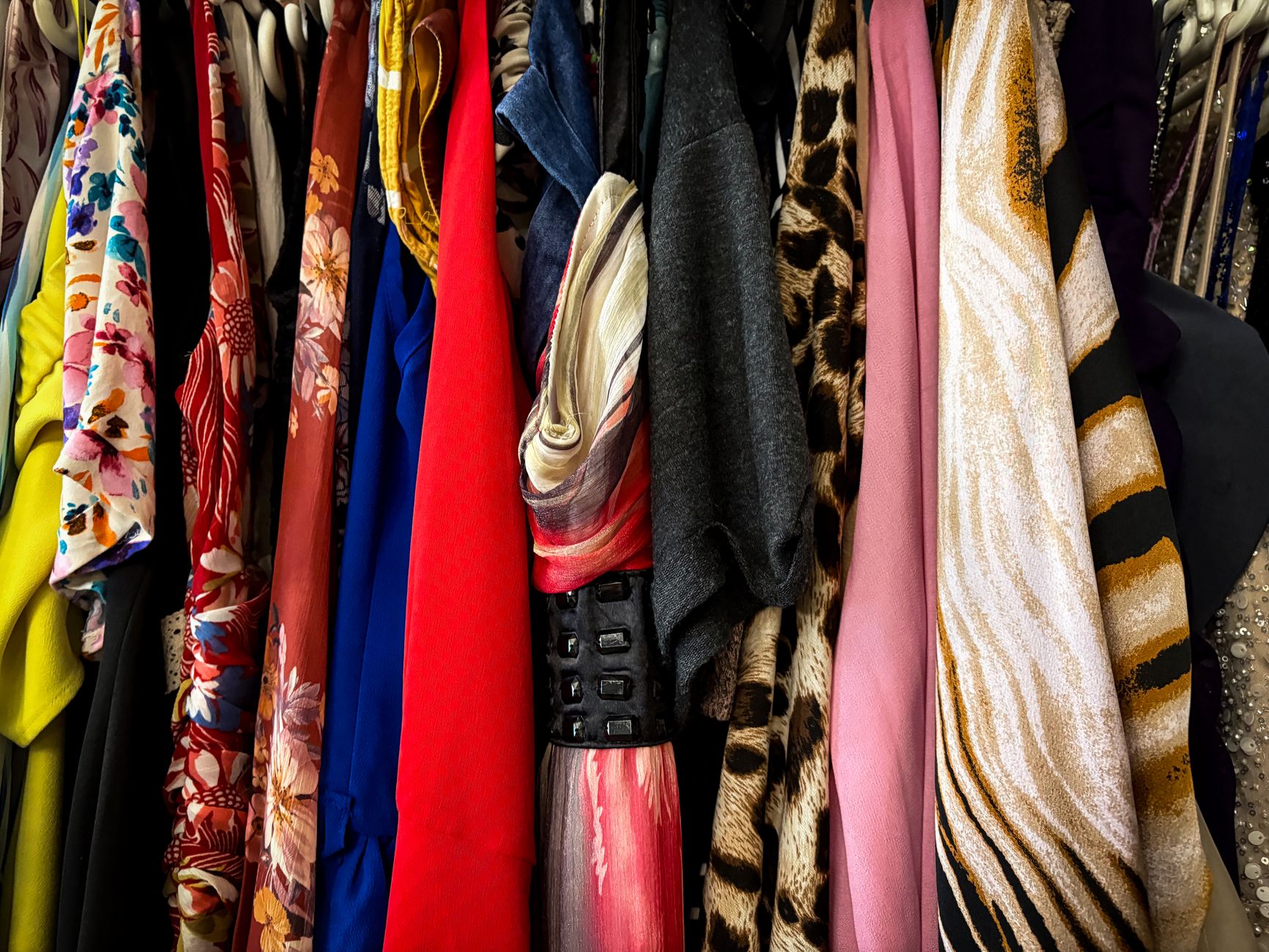
Dries pieces have been circulating on Vestiaire Collective, The RealReal, Depop, and a network of smaller European consignment boutiques in noticeably higher quantities than even two years ago. What makes this particular archive flood unusual is the price range it spans. His work commands everything from accessible vintage finds in the low hundreds to serious collector pieces pushing well past a thousand dollars for iconic coats or runway-documented embroidered jackets. That spread means the secondhand market is drawing in multiple buyer types simultaneously – the fashion student looking for a printed scarf, the seasoned collector hunting a specific runway season.
The label itself continues under new creative direction, which adds a layer of nostalgia pressure. Buyers are not just acquiring clothing – they are acquiring a specific authorship, a signature that is now finite. That scarcity logic is exactly what drives archive markets, and it has nothing to do with hype in the streetwear sense. It operates more like the art market, where provenance and period matter.
Why His Archive Holds Value Differently
Van Noten never chased logos or brand visibility in the conventional sense. There are no monograms, no instantly readable hardware signatures, no collaboration-with-a-sneaker-brand plays. His work is recognizable to people who study it, which means his customer base skews toward buyers who understand construction, color, and textile sourcing rather than those shopping for status signaling. That distinction matters enormously on the resale market.
Pieces built on quality rather than logo recognition tend to age more gracefully in secondhand contexts. A heavily embroidered Dries coat from 2007 does not look dated in the way a logo-heavy piece from the same era might. The absence of trend-chasing in his original design process means the work resists the kind of obsolescence that hits louder fashion more quickly. This is the same dynamic that has kept logo-free luxury relevant across market cycles – the garment does not announce its era the moment cultural taste shifts.
His use of textiles also plays a role. Van Noten was known for sourcing unusual fabrics – Indian block prints, Japanese jacquards, unexpected velvet weights – and integrating them into wearable silhouettes rather than costume-adjacent show pieces. Buyers on the secondhand market frequently cite this in listings, describing provenance in terms of material and construction detail rather than season name or runway moment. That language signals a buyer who will also maintain the piece well, which keeps condition quality higher across his secondhand ecosystem.
There is also a practical scarcity element that gets overlooked: he never operated at the production scale of the major French houses. His pieces were never mass-distributed. That means the available pool of archive pieces, even as more surface on resale platforms, remains genuinely limited compared to a house producing at Gucci or Louis Vuitton volumes. The flood is real relative to what the Dries secondhand market looked like before 2024 – but in absolute terms, the supply is still controlled enough to prevent a collapse in value.
Who Is Actually Buying
The buyer profile is more mixed than you might expect. Longtime customers who missed specific pieces during original retail runs are finally finding them. Younger buyers discovering his work through fashion education or archive-focused social media accounts are entering his world through secondhand because new retail access to his vision is now closed. And a smaller but active group of resale investors is watching closely, treating his archive the way they might treat a discontinued fragrance or a painter’s final series – something where the ceiling is not yet clear.
What the market has not yet settled is the question of long-term ceiling pricing. His work has never had the speculative frenzy of streetwear or the institutional auction backing of haute couture. It sits in a middle category of serious ready-to-wear that the resale infrastructure is still learning to price with precision. Pieces are moving, but the spread between what sellers ask and what buyers actually pay remains wider than in more established archive categories. That gap is where the real story is still unfolding – not in the volume of pieces appearing, but in whether the market will agree on what they are worth before the initial retirement wave of listings clears out.