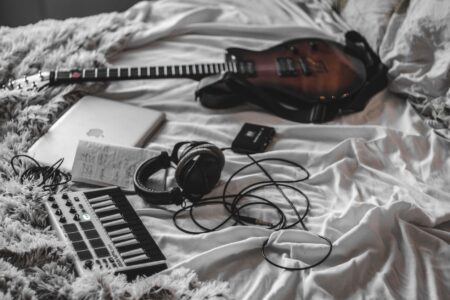


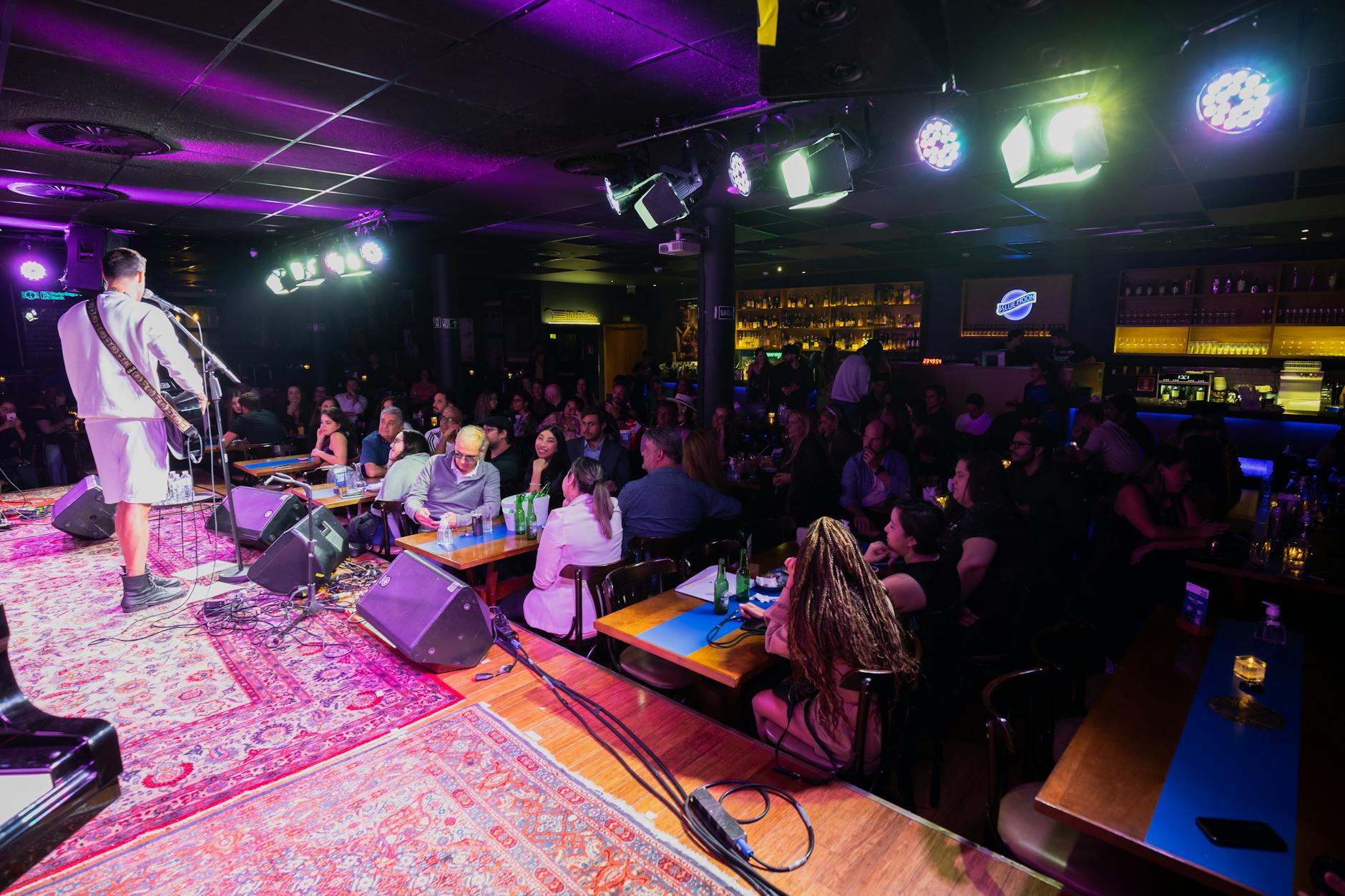
The brick walls and dim lighting that once echoed with laughter now hum with podcast recording equipment. Comedy clubs across the country are retrofitting their stages with professional-grade microphones, soundproofing panels, and recording booths. The transformation reflects a harsh reality: weeknight crowds have thinned, but podcast audiences keep growing.
This shift isn’t just about survival. Many club owners discovered that their intimate spaces, designed for comedy timing and audience interaction, create ideal acoustic environments for podcast recording.
The Economics Behind the Microphone Switch
Traditional comedy clubs operate on razor-thin margins, relying heavily on drink sales and weekend ticket revenue. Weeknight shows often lose money, with performers playing to half-empty rooms and bartenders counting sparse tips. The pandemic accelerated these financial pressures, but the podcast boom offered an unexpected lifeline.
Renting studio space to podcasters generates steady income without the overhead of booking talent, promoting shows, or staffing full service crews. A single podcast recording session can generate the same revenue as a Tuesday night comedy show, minus the food prep, security, and promotional costs. The math works particularly well for clubs in expensive urban markets where real estate costs make every square foot precious.
Studio rental rates vary widely by market, but many clubs charge between $100-300 per recording session. Popular podcasters book regular weekly slots, providing clubs with predictable income streams that complement their traditional entertainment revenue. Some venues now generate 30-40% of their income from podcast recordings alone.
Sound Design Meets Stand-Up Architecture
Comedy club architecture creates natural advantages for audio recording. The low ceilings, carpeted floors, and fabric-covered seating that help comedians connect with audiences also eliminate echo and background noise. Many clubs find they need minimal acoustic modifications to meet professional recording standards.
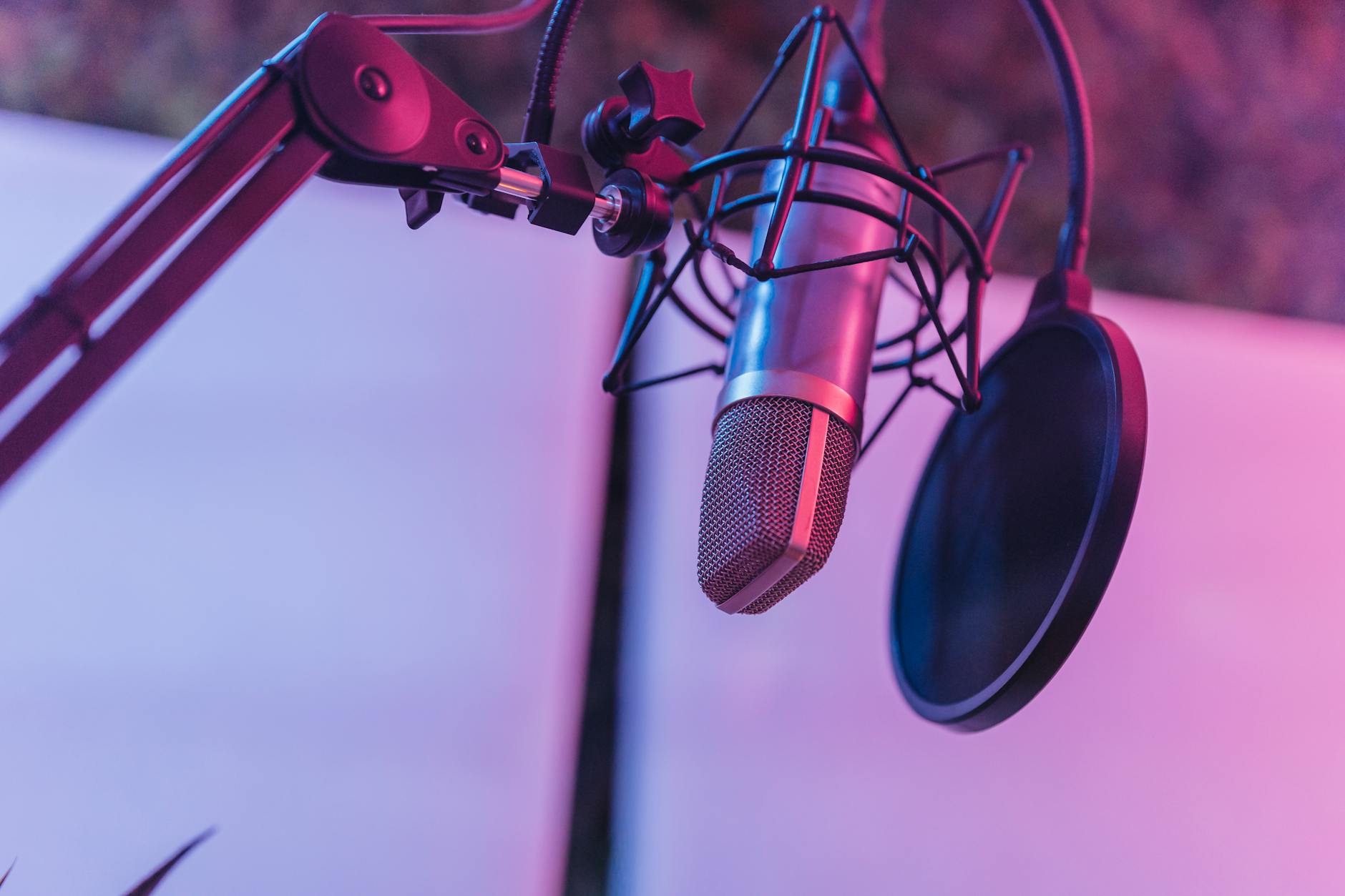
The intimate booth seating arrangements translate perfectly to podcast formats featuring multiple hosts or interview-style shows. Clubs can accommodate everything from solo monologue podcasts to roundtable discussions with four or five participants. The existing lighting systems, originally designed for stage performances, work well for video podcasts that require consistent, flattering illumination.
Several venues have installed mobile recording equipment that can be quickly set up and broken down between comedy shows and podcast sessions. This flexibility allows clubs to maximize their space utilization, hosting afternoon podcast recordings before evening comedy shows. The same venue might record a true crime podcast at 2 PM and host an improv show at 8 PM.
The Creative Crossover Effect
The boundary between comedy and podcasting continues to blur as comedians launch their own shows and podcast hosts experiment with live performance. Some clubs now offer package deals that include both podcast recording services and stage time for hosts who want to test material in front of live audiences. This crossover creates new revenue opportunities and helps clubs maintain their connection to the comedy community.
Regular podcast recordings also bring new audiences to comedy clubs. Podcast fans who visit for recordings often return for comedy shows, discovering venues they might never have encountered otherwise. [Why Stand-Up Comedians Are Moving Their Shows to Streaming Platforms](https://vippiy.com/why-stand-up-comedians-are-moving-their-shows-to-streaming-platforms/) reflects similar audience migration patterns in comedy entertainment.
The hybrid model works particularly well for comedy clubs in smaller markets where traditional booking can be challenging. Instead of relying solely on touring comedians who might skip smaller cities, these venues can fill their calendars with local podcasters, business professionals recording content, and remote workers who need professional studio space. The diversification reduces financial risk while maintaining the club’s core entertainment identity.
But this transformation comes with trade-offs that veteran comedy club owners are still calculating. The spontaneous energy that makes live comedy electric doesn’t translate to podcast recordings, and some worry that prioritizing studio rentals might dilute the authentic comedy club atmosphere that took decades to cultivate.
Frequently Asked Questions
Why are comedy clubs becoming podcast studios?
Clubs need steady income as weeknight audiences shrink, while podcast recording sessions generate consistent revenue without traditional show overhead costs.
How much do comedy clubs charge for podcast recording?
Studio rental rates typically range from $100-300 per session, with many clubs earning 30-40% of total revenue from podcast bookings.