


Chloe’s Quiet Return to the Fashion Conversation
Chloe – the Parisian house built on flowing silhouettes, earthy palettes, and a particular brand of undone femininity – is moving back into the spotlight with a force that feels less like a trend cycle and more like a correction. After seasons dominated by maximalism, heavy hardware, and streetwear crossovers, something about Chloe’s soft tailoring and sheer layers is landing differently now. Celebrities who once reached for bolder statements are turning back to a brand that never really changed its language, just waited for the room to quiet down.
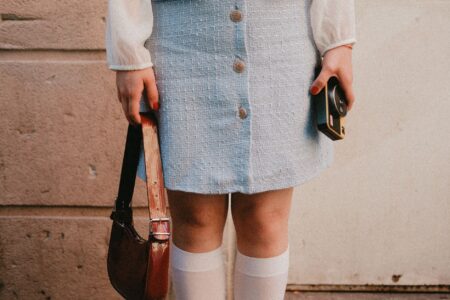
The aesthetic Chloe has long championed – wide-leg trousers in cream georgette, broderie-anglaise blouses, suede fringe at the hem – reads as effortless precisely because it refuses to try too hard. That studied nonchalance is genuinely difficult to manufacture, and the house has spent decades perfecting it. Right now, it’s exactly what a certain tier of celebrity dressing appears to be chasing.
What “Bohemian” Actually Means at Chloe
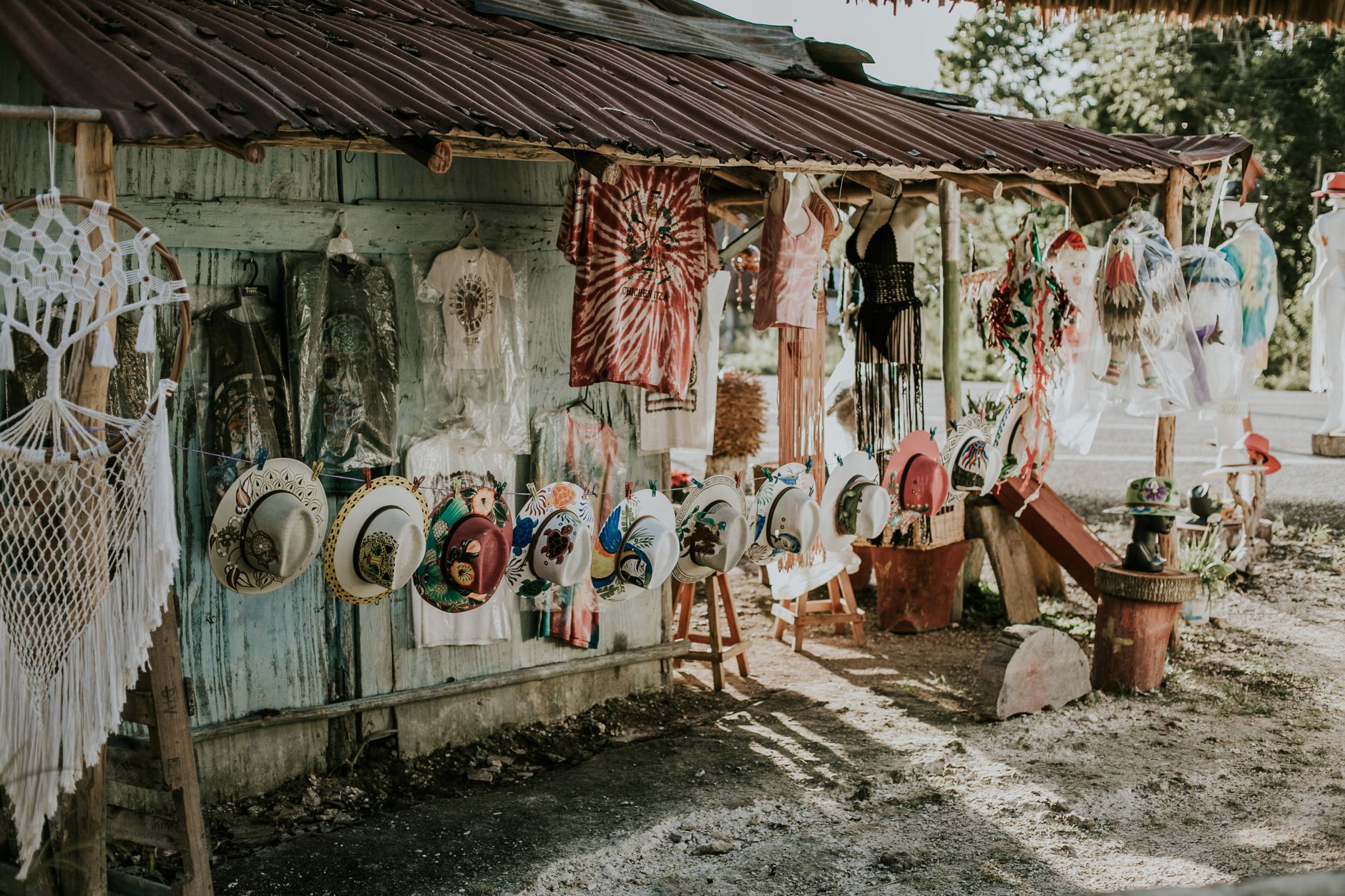
The word bohemian gets misused constantly in fashion coverage. It gets applied to anything vaguely peasant-inspired or loosely constructed, flattening a genuinely specific set of references into a catch-all category. At Chloe, bohemian has always carried more precise meaning – it refers to a French attitude toward dressing that prioritizes ease without sacrificing intention. The clothes suggest a woman who packed lightly, arrived somewhere beautiful, and chose exactly the right thing from a small suitcase.
The house’s signature moves are well-documented at this point: the keyhole neckline, the lace-trimmed slip dress worn in daylight, the leather belt cinching something that was never meant to be cinched. These are not accidental details. They are design decisions that require real technical skill to execute in a way that doesn’t look try-hard or costume-adjacent. The difference between Chloe doing this and a fast-fashion interpretation doing it is immediately visible in how the fabric moves and where the seams sit.
Under creative director Chemena Kamali, who returned to the house after years working elsewhere, that vocabulary has been sharpened rather than rewritten. The Spring 2024 collection drew from the Chloe archive with enough confidence that it didn’t feel like nostalgia – it felt like authority. Wide-brimmed hat references, layered necklaces, and suede that managed to look both vintage and freshly cut were all present. The collection reminded anyone paying attention that Chloe’s codes were never really out of circulation; they were just momentarily out of volume.
The Celebrity Recalibration
There’s a visible pattern emerging on red carpets and at industry events where celebrities with genuine style autonomy – those who are not locked into exclusive contracts with a single house – are gravitating toward looks that photograph softly. Chloe’s palette of sand, ivory, terracotta, and dusty rose performs exceptionally well under natural light and on phone screens, which has become a non-trivial consideration for how celebrities approach styling decisions. The clothes don’t compete with the wearer’s face for attention, which is a quality that gets undervalued in coverage but is central to how stylists make choices.
Beyond photography logic, there is something about wearing Chloe that signals a specific kind of taste fluency. It communicates that a celebrity knows their fashion history, appreciates craft, and is not chasing whatever is loudest right now. That signal carries real weight in an industry moment where authenticity – or at least the appearance of it – matters more than alignment with a single dominant aesthetic.
Why the Timing Makes Sense
Fashion cycles have compressed dramatically, but the reaction against maximalism has been building for long enough now that it has crossed from micro-trend into something more durable. After years of visible logos, oversized proportions used for shock rather than comfort, and styling choices that prioritized content-worthiness over wearability, the appeal of a dress that simply falls correctly has intensified considerably.
Chloe sits in a useful position within that reaction because it offers an alternative to minimalism as well as to maximalism. The house is not asking women to wear nothing interesting – it is asking them to wear interesting things that don’t announce themselves from across the room. That middle register, between austere reduction and aggressive decoration, is genuinely hard to occupy, and Chloe occupies it with more consistency than almost any other house at its price point.
Stylists working with clients who want to step back from brand noise without stepping into something that reads as disengaged are finding Chloe useful in a way that feels newly relevant. The pieces mix – a Chloe blouse with non-Chloe trousers, a Chloe bag carried with something else entirely – without the house aesthetic dissolving in the process. That modularity is rare, and it’s part of why the brand keeps finding new audiences even when it isn’t generating the kind of press moment that saturates feeds.
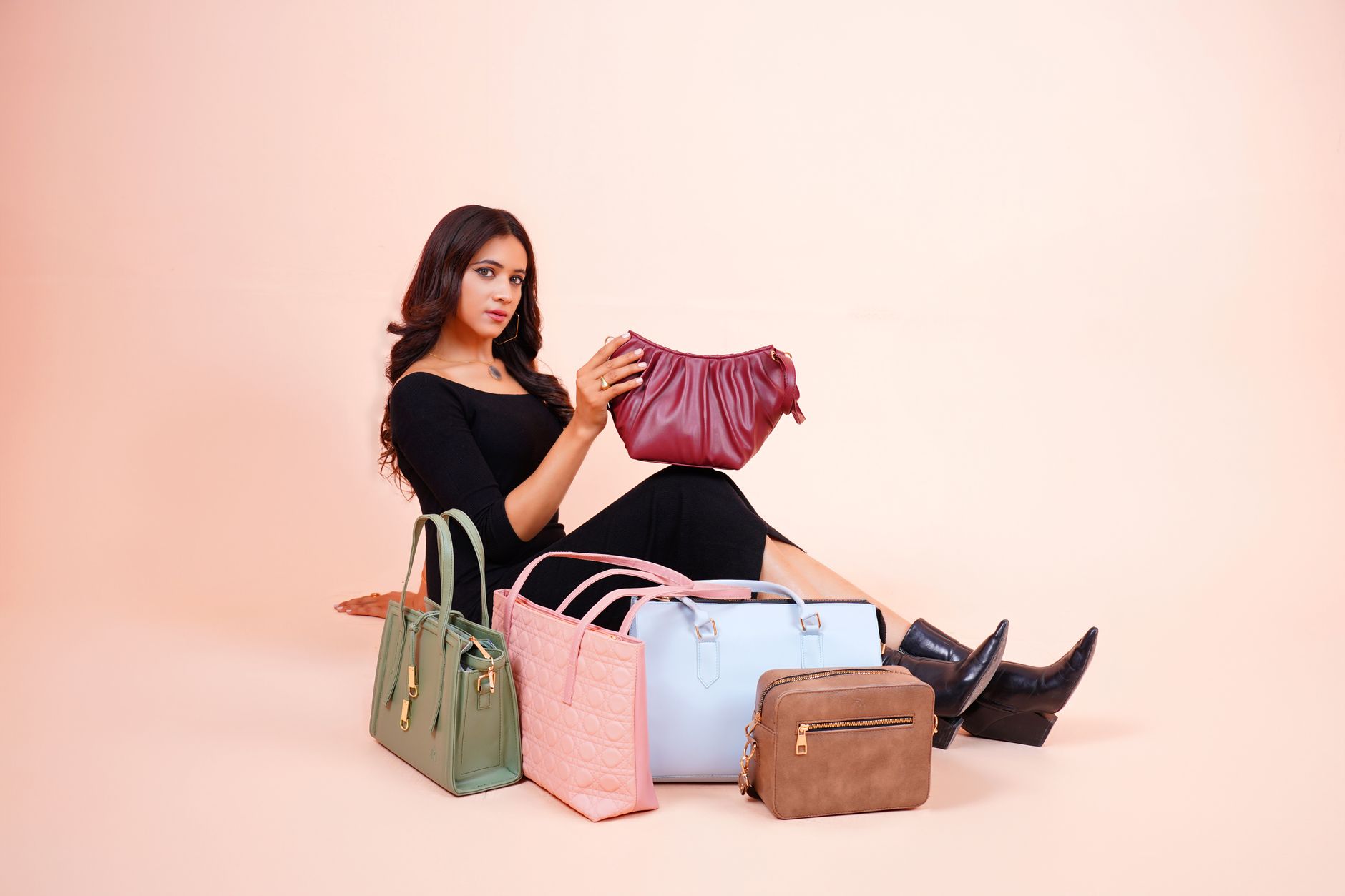
The suede Marcie bag is back in rotation in a way that can’t be explained by coincidence alone. The lace-trimmed dresses from Kamali’s first two collections have been appearing on a range of celebrities whose stylists don’t overlap, which suggests organic demand rather than coordinated placement. Whether Chloe can sustain this attention without compromising the quiet confidence that makes it worth noticing in the first place is the more uncomfortable question – because the houses that try hardest to capitalize on a moment of renewed interest are usually the ones that lose what made the moment happen.